Your cart is currently empty!
+86 15863276370

Ammonia in poultry houses is mainly associated with the decomposition of nitrogen-containing compounds in manure. When manure remains under cages for extended periods, microbial activity can convert nitrogen compounds into ammonia. Higher moisture and temperature can further influence this process.
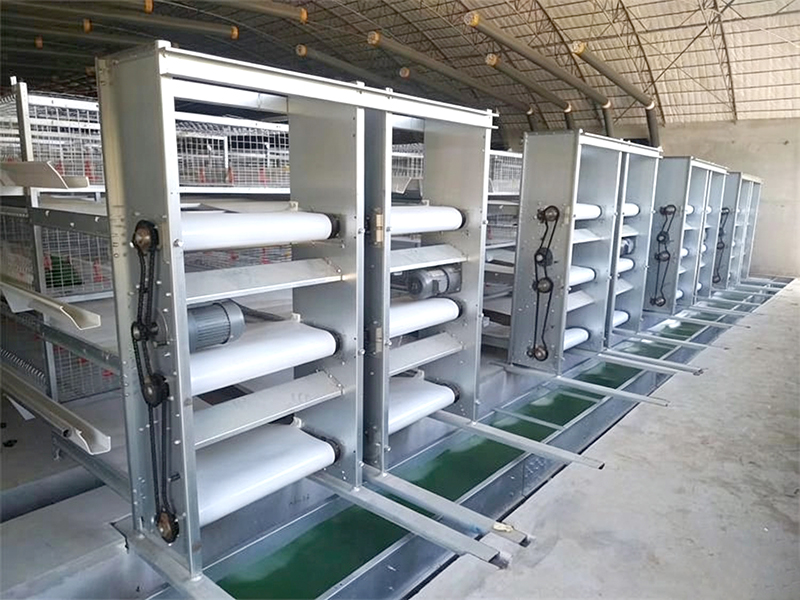
An automatic manure belt system addresses the problem at its source. Manure is collected on a belt installed beneath the cages and transported outside the poultry house at scheduled intervals. Removing manure more frequently reduces the accumulation time inside the house and can limit conditions that favor ammonia generation.
This does not mean a manure belt eliminates ammonia completely. The actual concentration depends on manure moisture, removal frequency, house temperature, ventilation rate, stocking density, and overall farm management.
The system also provides an operational advantage. Compared with relying only on manual manure removal, automatic belts can make manure handling more regular and reduce the amount of waste remaining beneath the cages. This can support cleaner house conditions and make environmental management more consistent.
To evaluate the system’s value, farms can monitor ammonia concentration together with manure moisture, removal frequency, ventilation performance, and labor requirements. Comparing these indicators before and after installation provides a more reliable basis for evaluating performance.
Therefore, the main value of an automatic manure belt is not simply “reducing ammonia.” It is the ability to remove manure efficiently, shorten its residence time inside the poultry house, and support a more controllable farm environment.
Share this:
Other Posts
-
Wood, Plastic, or Metal Nest Boxes for Laying Hens? A Practical Material Comparison
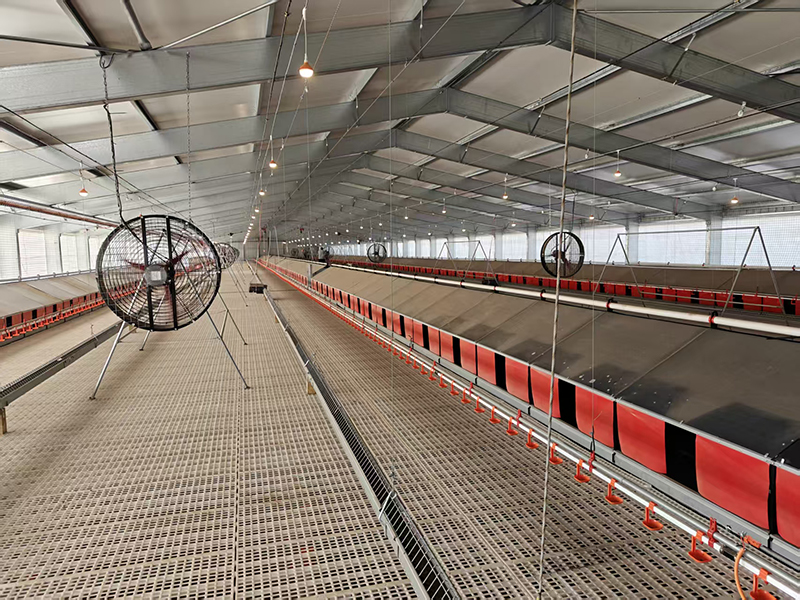
Nest box material can influence cleaning, durability, hygiene management, and the daily use of a poultry house. Wood, plastic, and metal are three common options, but their practical performance depends on the housing environment, cleaning procedures, flock size, and nest box design. Understanding these differences can help layer farmers select a suitable nesting system.
-
Mold Prevention in Poultry Feeding: How Feed Quality Management Can Reduce Health Risks and Operating Costs
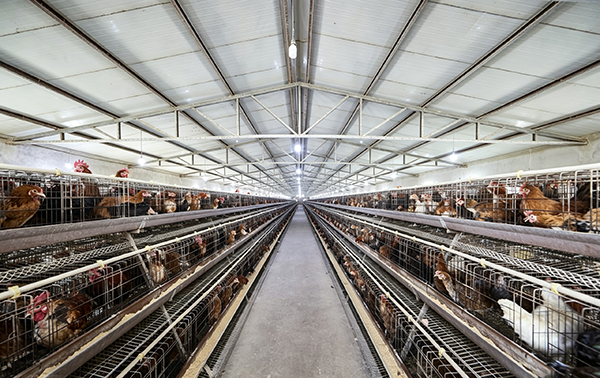
Feed quality is closely related to poultry health and farm management costs. Poor storage conditions can increase moisture and mold risk, potentially affecting feed quality and flock performance. A preventive feeding strategy can help reduce avoidable losses, although the actual economic impact depends on farm conditions and disease management.
-
How Much Can Automatic Feeding Save on Labor Costs? A Practical Guide for Poultry Farms
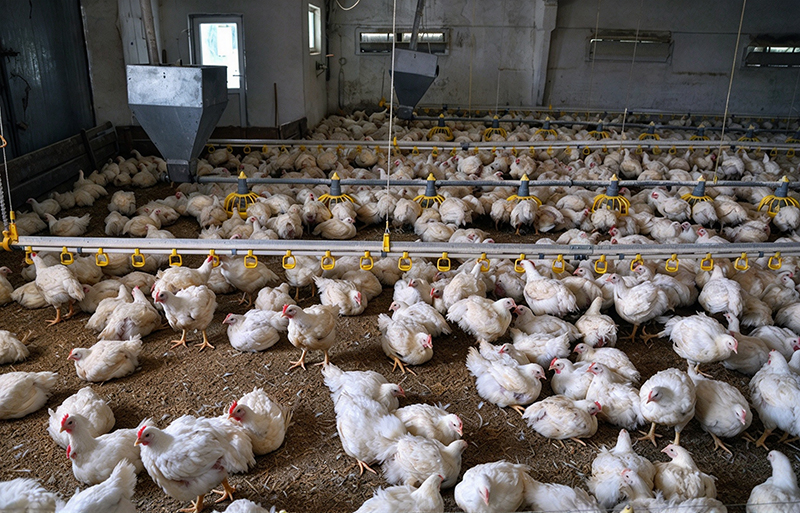
Automatic feeding systems can reduce the time workers spend on repetitive feed handling and distribution. However, annual labor cost savings vary with farm size, feeding methods, local wages, and equipment requirements. A simple calculation based on actual working hours can help poultry producers assess the potential value of automation.
-
Variable-Frequency Fans and Multi-Stage Cooling Linkage Control: Response Mechanism of Smart Environmental Control Systems to Extreme Heat
Extreme heat events threaten poultry health and productivity. Smart environmental control systems employ variable-frequency fans (VFFs) and multi-stage cooling linkage to respond effectively. VFFs automatically adjust speed based on real-time temperature, providing low airflow during mild heat and maximum speed during heatwaves. This saves energy while maintaining bird comfort. Multi-stage cooling activates sequentially: first, tunnel…
Product Categories
Subscribe To Product News
Leave your email address and receive our latest product updates