Your cart is currently empty!
+86 15863276370

How to Choose the Right Poultry Farming System and Equipment
Selecting the right farming method and equipment starts with evaluating your farm scale, climate conditions, and target market.
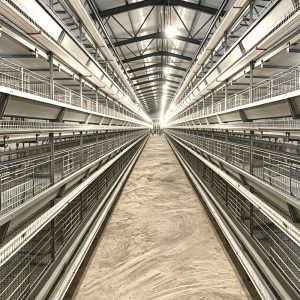
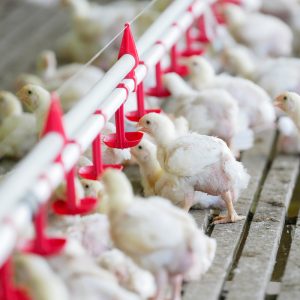
Floor rearing is suitable for welfare-focused farms, offering lower initial investment, easier all-in/all-out sanitation management, and relatively simple litter handling. Cage systems maximize stocking density but face increasingly strict regulatory restrictions in many regions. Free-range systems are ideal for premium markets but require more land and biosecurity investment.
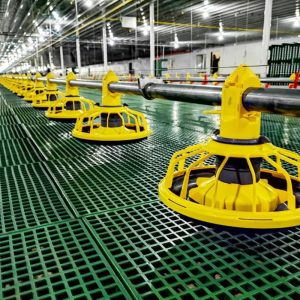
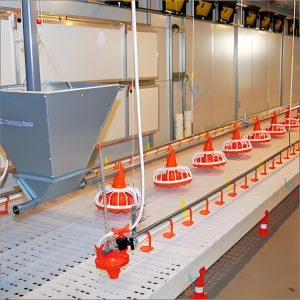
When selecting equipment, prioritize automation. Pan feeders and nipple drinkers reduce feed and water waste. Tunnel ventilation combined with evaporative cooling pads is essential in hot climates to effectively prevent heat stress. Choose easy-to-clean materials to ensure biosecurity, and opt for energy-efficient components such as variable-frequency fans to achieve long-term cost savings.
Focus on return on investment rather than just purchase price. Automated equipment typically pays for itself within 12 to 24 months through reduced mortality, lower feed waste, and improved growth performance.
For new farms, it is recommended to start with one or two houses as a pilot to test equipment reliability before scaling up. Contact us for more professional advice.


Share this:
Other Posts
-
Optimizing Maintenance and Spare Parts Inventory: Preventive Strategies to Reduce Environmental Control System Failures
Environmental control systems are critical for poultry house performance. Unplanned fan or sensor failures during heat waves can cause catastrophic losses. A preventive maintenance strategy significantly reduces this risk. Key elements include: scheduled inspections of fans, motors, and belts every 500 operating hours; calibration checks for temperature and humidity sensors monthly; and cleaning of cooling…
-
Techno-Economic Assessment of Tunnel Ventilation Retrofitting: Pathways for Transitioning Conventional Houses to High-Airflow Systems
Conventional poultry houses often struggle with heat stress during summer, leading to reduced feed intake and higher mortality. Tunnel ventilation retrofitting offers a proven solution. The technical pathway involves installing high-capacity fans at one end, evaporative cooling pads at the opposite end, and sealing side inlets to create uniform 2–3 m/s airflow. This system lowers…
-
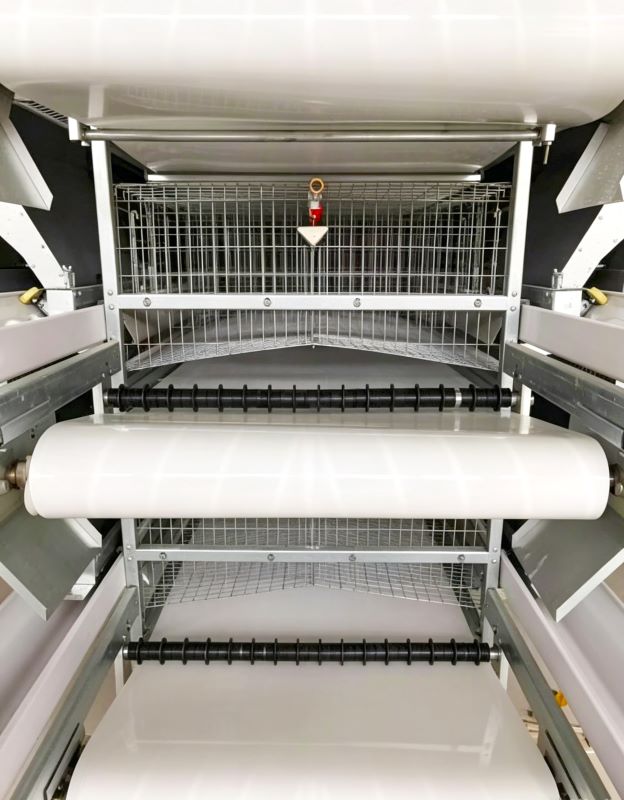
Manure Conveyor Belt Tracking Adjustment – Fix It Yourself Without a Service Call
Belt misalignment (tracking off) is a common issue in floor rearing houses. Most cases are caused by uneven tension, non‑parallel rollers, or uneven load distribution. Follow these three steps to fix it yourself. Step 1: Identify the direction and locationRun the belt empty and observe which side it shifts toward. If the belt runs to…
-
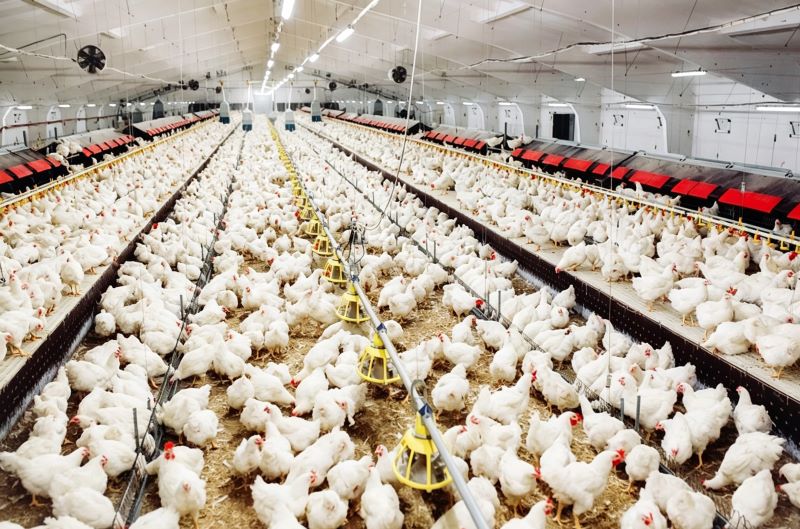
Smart Monitoring Systems in Poultry Farming: Efficiency Improvements and Operational Mechanisms
Smart monitoring systems are increasingly used in modern poultry farming to improve production efficiency, environmental stability, and overall flock performance. In commercial broiler production environments, integrated monitoring solutions have been associated with productivity improvements of approximately 20–34%, depending on farm scale, equipment configuration, and management practices. The main mechanism behind this improvement is real-time environmental…
Product Categories
Subscribe To Product News
Leave your email address and receive our latest product updates