Your cart is currently empty!
+86 15863276370

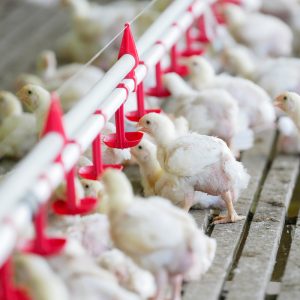
In large-scale broiler farming, scientific feeding is core to determining growth rate and feed conversion. Our independently developed automatic feeding system is designed for precise nutritional management.
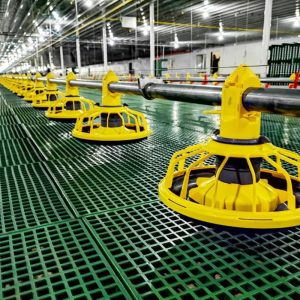
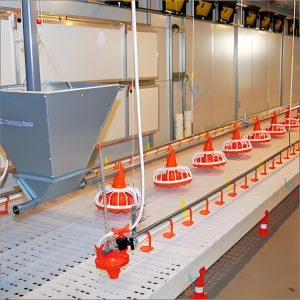
The system consists of a feed bin, conveying pipes, a drive motor, feed pans, and an intelligent controller, achieving fully automated feeding. Its advantages are significant:
- •Timed & Measured Feeding: Feed times and amounts can be set according to the birds’ age, promoting uniform growth.
- •Reduces Waste: Precise dispensing avoids feed loss from manual scattering.
- •Lowers Stress: Quiet operation minimizes disturbance to the flock.
- •Saves Labor: One person can easily manage feeding for tens of thousands of birds.
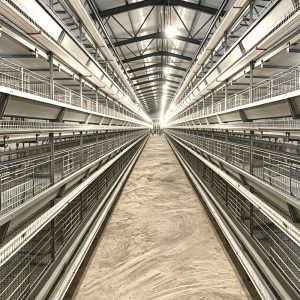
We provide customized solutions suitable for various setups like floor rearing and cage systems, serving as a reliable partner in advancing the automation of broiler farming.
Share this:
Other Posts
-
Manual Egg Collection vs. Automated Systems: How Much Labor Cost Can a Nest Box Save You?
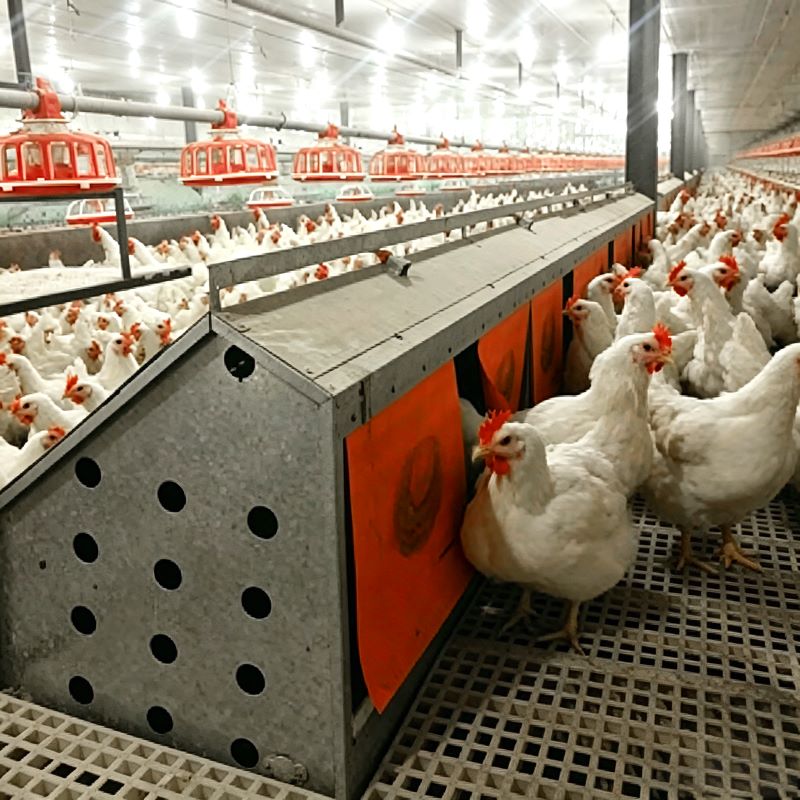
For broiler breeder farms, egg collection remains one of the most labor-intensive tasks. Manual collection requires workers to walk through the house multiple times daily, bending and reaching into each nest. For a 10,000-bird flock, manual collection typically consumes 4–6 labor hours per day. At a farm with 50,000 breeders, that translates to 20–30 hours…
-
Synergistic Design of Floor-Level Inlets and Ridge Outlets: An Airflow Optimization Scheme Combining Natural and Mechanical Ventilation
Effective ventilation is critical for poultry house air quality. This scheme integrates floor-level inlets with ridge outlets, blending natural and mechanical forces. Floor-level inlets, placed along side walls near the litter, allow fresh air to enter at bird level. Ridge outlets, installed at the roof peak, enable warm, stale air to rise naturally. During mild…
-
Semi-Automatic vs. Fully Automatic Poultry Farming Systems: ROI Comparison and Investment Guide
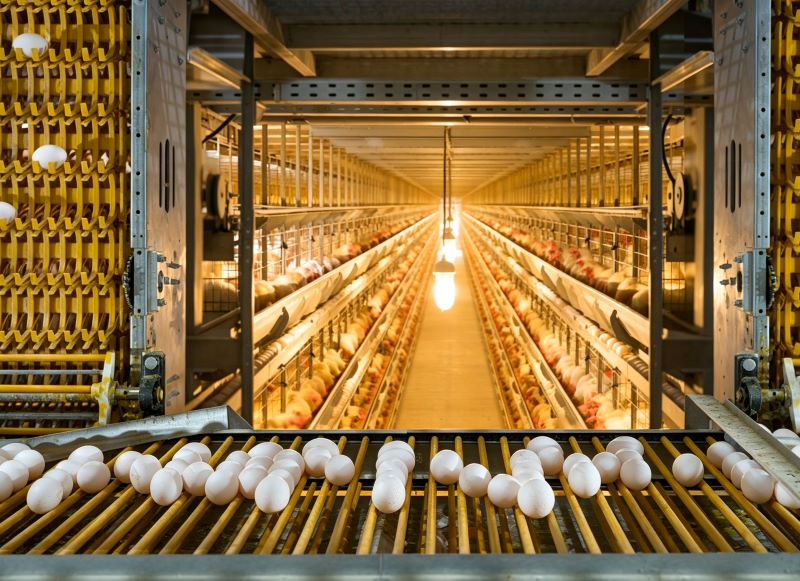
Choosing between a semi-automatic and fully automatic poultry farming system is an important investment decision. The right solution depends not only on equipment cost, but also on farm capacity, labor availability, management requirements, and long-term operating expenses.
-
Quantifying Feed Loss in Poultry Farming: Spillage, Spoilage, and Feed Refusal Analysis
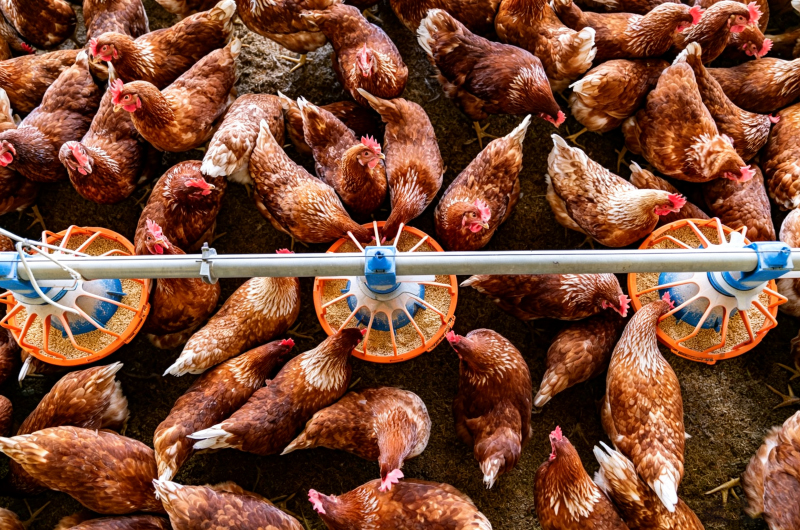
Feed loss is a key challenge in poultry production, directly affecting economic efficiency and resource utilization. This article provides a quantitative analysis of three primary sources of feed loss: spillage, spoilage, and feed refusal. By examining their causes, typical loss ratios, and influencing factors, the study highlights practical strategies for reducing waste. Optimizing feeder design,…
Product Categories
Subscribe To Product News
Leave your email address and receive our latest product updates