Your cart is currently empty!
+86 15863276370

Ventilation is one of the major energy consumers in modern poultry houses, particularly during hot weather. Running exhaust fans continuously at full speed may provide strong airflow, but it can also increase electricity consumption when maximum ventilation is not required.
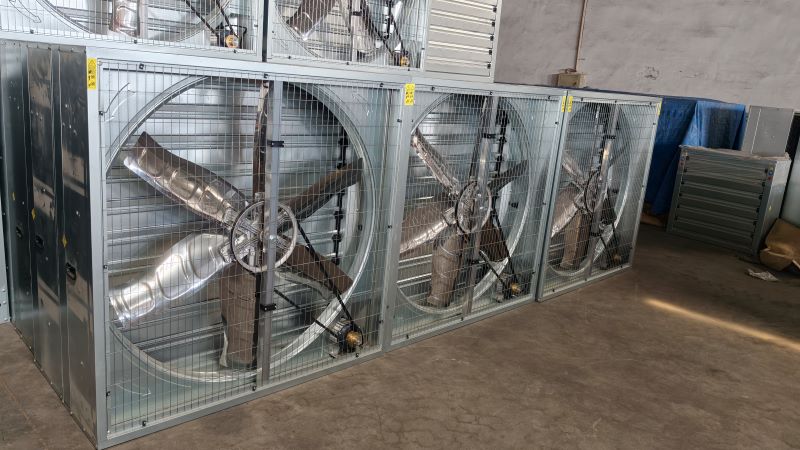
Variable-speed fan systems offer a more flexible approach. Instead of operating only at full capacity, fan speed can be adjusted according to indoor temperature, humidity, and ventilation requirements. During mild heat conditions, the system can operate at a lower speed to maintain adequate airflow while using less electricity. When temperatures rise sharply, the fans can increase speed to provide stronger ventilation and cooling.
The energy-saving effect depends on fan efficiency, house design, climate, stocking density, and control settings. A properly designed climate-control system can coordinate fans, temperature sensors, evaporative cooling pads, and ventilation stages. This allows the system to respond to changing environmental conditions rather than relying on a fixed operating schedule.
Weather-adaptive control can further improve management by using outdoor temperature and forecast information to prepare ventilation settings in advance. However, energy reduction should never come at the expense of bird comfort or adequate air exchange.
For poultry farms, the goal is not simply to run fewer fans, but to deliver the required airflow with the appropriate amount of energy. Proper fan selection, variable-speed control, regular maintenance, and accurate environmental monitoring can help improve both cooling performance and energy efficiency.
Share this:
Other Posts
-
2026–2030 Adoption Forecast for Floor Rearing Automation: Which Technology Becomes Standard First?
Over the next five years, three automation technologies will lead floor rearing adoption. Automated feeding systems top the list. Their clear payback (12–24 months) and direct feed savings (5–10%) make them the first standard feature globally. Tunnel ventilation with evaporative cooling follows closely. Rising heat waves and climate volatility push this system from optional to essential in tropical…
-
Equipment Challenges in Hot and Humid Conditions: Technical Adaptations for Floor Rearing Systems in the Middle East
The Middle East challenges poultry farming with temperatures exceeding 50°C and high humidity. Standard floor rearing equipment requires significant adaptation. Ventilation demands oversized tunnel systems with high-capacity fans to maintain airspeed. Evaporative cooling pads need larger surface areas and regular maintenance to prevent mineral buildup. Drinking systems require higher-flow nipple drinkers for adequate hydration. Insulated…
-
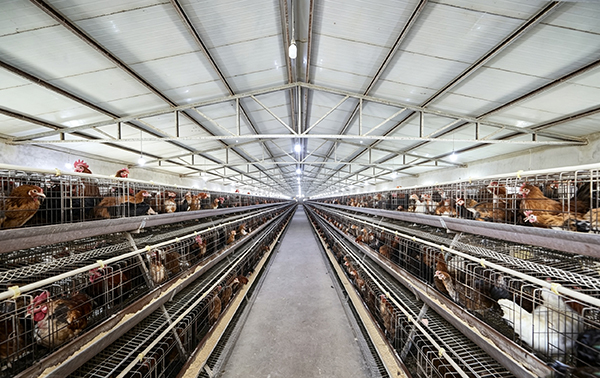
Mold Prevention in Poultry Feeding: How Feed Quality Management Can Reduce Health Risks and Operating Costs
Feed quality is closely related to poultry health and farm management costs. Poor storage conditions can increase moisture and mold risk, potentially affecting feed quality and flock performance. A preventive feeding strategy can help reduce avoidable losses, although the actual economic impact depends on farm conditions and disease management.
-
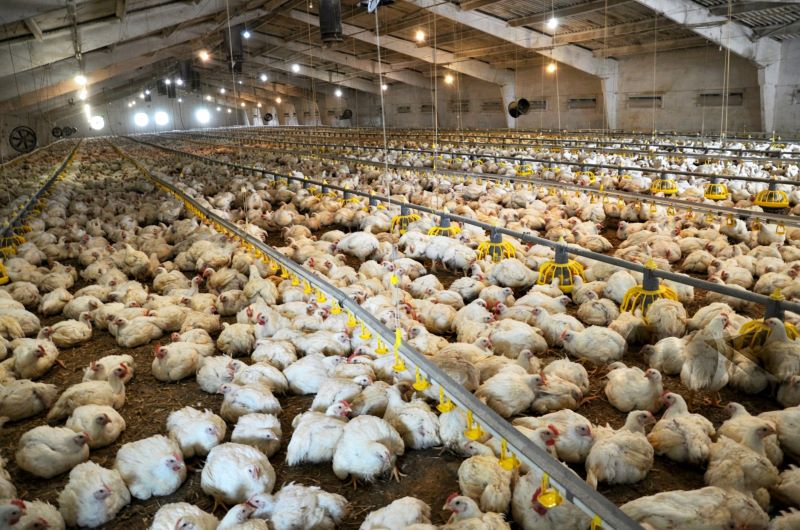
Global Cage-Free Poultry Equipment Market Outlook 2026–2030: Growth Opportunities in the Middle East and Southeast Asia
The global poultry industry is entering a new stage of modernization, with increasing demand for efficient, automated, and sustainable farming solutions. This article analyzes the development opportunities of cage-free poultry equipment markets from 2026 to 2030, focusing on the Middle East and Southeast Asia. It explores regional differences in production needs, climate challenges, labor conditions,…
Product Categories
Subscribe To Product News
Leave your email address and receive our latest product updates