Your cart is currently empty!
+86 15863276370

Feed conversion ratio (FCR) is commonly used to evaluate how efficiently broilers convert feed into live weight. A lower FCR generally indicates better feed utilization, but achieving consistent results requires more than simply increasing feed availability.
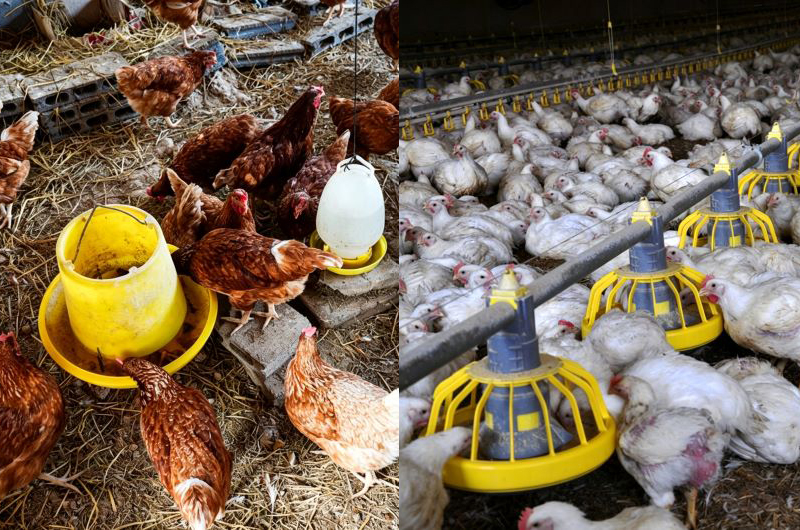
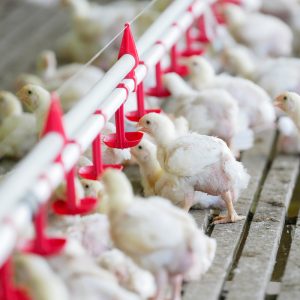
Traditional feeding may lead to feed spillage, uneven distribution, excessive feeding, or feed deterioration when equipment and management are not properly adjusted. These losses increase feed consumption without producing additional marketable weight.
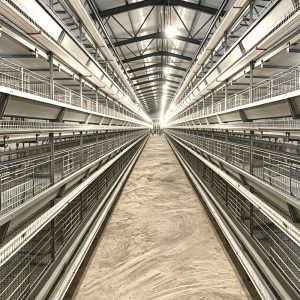
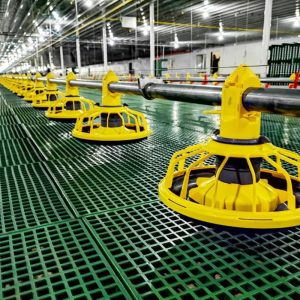
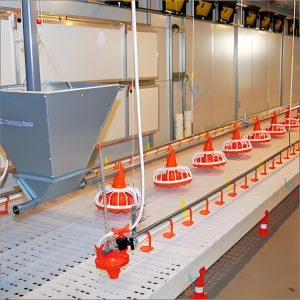
An automatic feeding system can support more precise feed distribution by delivering feed through controlled feeding lines and maintaining a relatively consistent supply across the house. Proper feeder height, feed level, line adjustment, and routine inspection are also important for controlling waste.
The economic value can be estimated by comparing feed consumption and production results before and after improvement. A basic model is:
Feed Cost Saving = Reduced Feed Consumption × Local Feed Price
For a complete ROI analysis, farms should also consider equipment investment, maintenance, energy consumption, flock performance, and service life.
Importantly, there is no universal FCR improvement percentage. The actual result depends on genetics, feed formulation, bird health, stocking conditions, climate, equipment settings, and farm management.
Therefore, precision feeding should be viewed as a data-based management strategy, not simply an equipment upgrade. By monitoring feed intake, body weight, mortality, and FCR, poultry farms can determine whether improved feeding efficiency creates sufficient economic value to justify the investment.
Share this:
Other Posts
-
Variable-Frequency Fans and Multi-Stage Cooling Linkage Control: Response Mechanism of Smart Environmental Control Systems to Extreme Heat
Extreme heat events threaten poultry health and productivity. Smart environmental control systems employ variable-frequency fans (VFFs) and multi-stage cooling linkage to respond effectively. VFFs automatically adjust speed based on real-time temperature, providing low airflow during mild heat and maximum speed during heatwaves. This saves energy while maintaining bird comfort. Multi-stage cooling activates sequentially: first, tunnel…
-
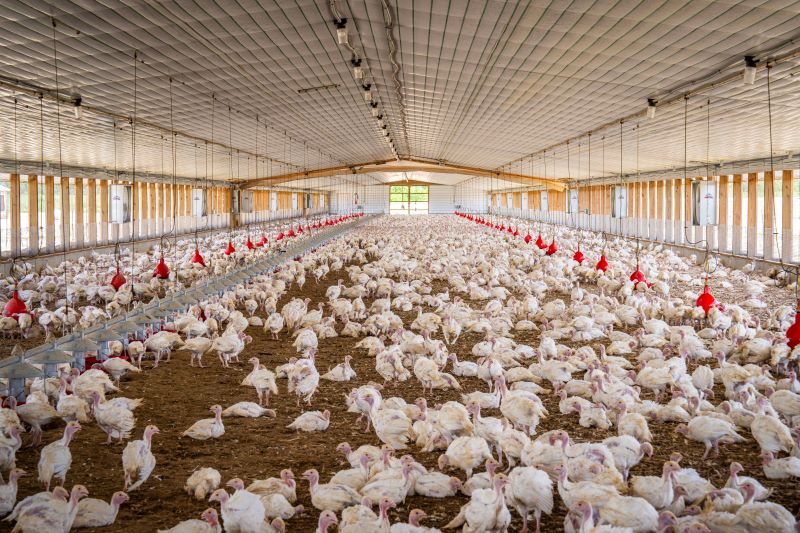
Comparative Cost Efficiency Model of Poultry Farm Labor Savings: Europe vs Middle East Market Analysis
Labor cost structure is one of the most critical variables influencing investment decisions in commercial poultry production systems. This study presents a comparative cost efficiency model for a 10,000-broiler farm, focusing on labor savings potential and automation adoption differences between Europe and the Middle East. In European poultry markets, labor costs are relatively high due…
-
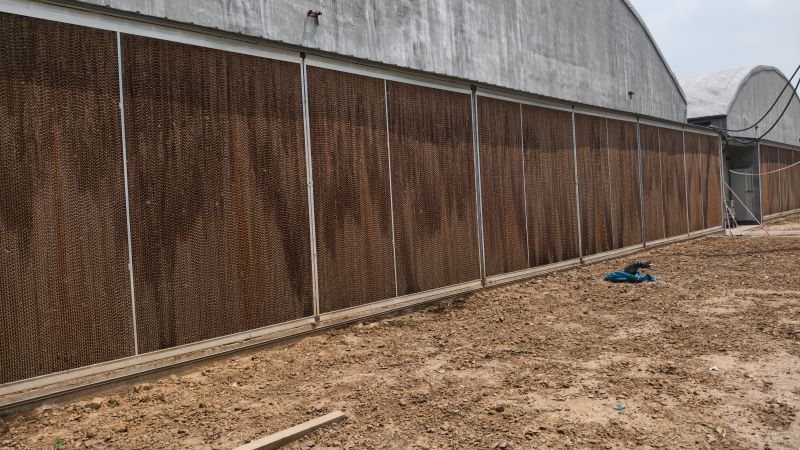
How Do Poultry House Cooling Pads and Exhaust Fans Work? Understanding Evaporative Cooling in Summer
Keeping poultry houses within a suitable temperature range during summer is an important part of environmental management. A combination of evaporative cooling pads and exhaust fans is widely used because the two systems work together to move and cool incoming air. The process begins with the exhaust fans. By removing hot air from the house,…
-
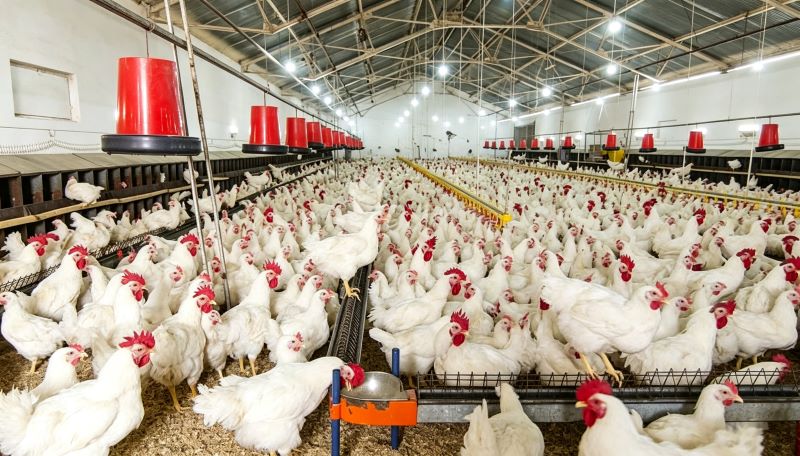
Pan vs. Chain Feeding Systems: Feed Efficiency, Waste Control, and Farm Application
This article compares pan and chain feeding systems from the perspective of feed efficiency and waste control. Both systems can support automated feeding, but their performance depends on equipment settings, farm layout, feed characteristics, and management practices. Key evaluation factors include feed spillage, distribution consistency, labor requirements, and maintenance. Selecting the appropriate system according to…
Product Categories
Subscribe To Product News
Leave your email address and receive our latest product updates