Your cart is currently empty!
+86 15863276370

A suitable poultry nest box should provide laying hens with a relatively clean, dry, and comfortable place to lay eggs. While nest design, lighting, stocking density, and management also influence nest use, the material itself affects maintenance and service life.
Wooden nest boxes are relatively easy to process and can be economical for small or traditional poultry houses. However, wood is porous and can absorb moisture and organic material. Without proper cleaning and drying, this may make hygiene management more difficult over time.
Plastic nest boxes are lightweight, corrosion-resistant, and generally easier to clean. Their smooth surfaces can reduce the accumulation of dirt and moisture compared with porous materials. Plastic is therefore commonly considered for farms that prioritize routine washing and practical maintenance.
Metal nest boxes provide a rigid structure and can offer good mechanical durability. Galvanized metal can provide additional corrosion protection, although surface condition, coating quality, humidity, and maintenance still affect service life. Metal components may also require careful design to avoid sharp edges or excessive heat exposure.
Rather than asking which material hens “prefer,” farmers should evaluate nest cleanliness, accessibility, ventilation, durability, cleaning requirements, egg protection, and local climate conditions.
For commercial layer farms, the most suitable nest box is usually the one that provides a practical balance between bird use, hygiene management, structural durability, and long-term operating requirements.
Share this:
Other Posts
-
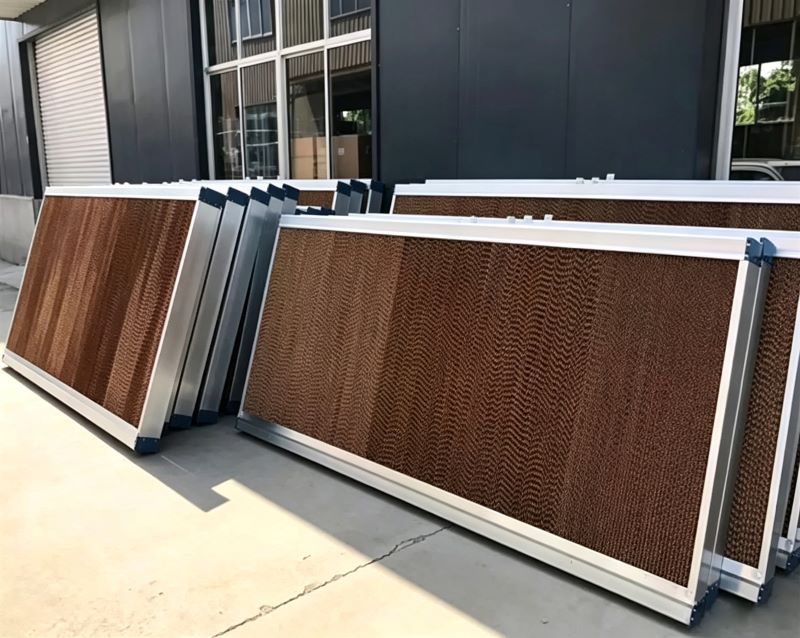
Before Installing Evaporative Cooling Pads: 3 Poultry House Conditions to Check First
Evaporative cooling pad performance depends on the entire poultry house cooling system rather than the pad alone. This article outlines three key pre-installation checks: house sealing, fan capacity, and water supply conditions. Air leakage can disrupt airflow, unsuitable fan capacity may reduce effective air movement, and unstable or poor-quality water can affect pad wetting and…
-
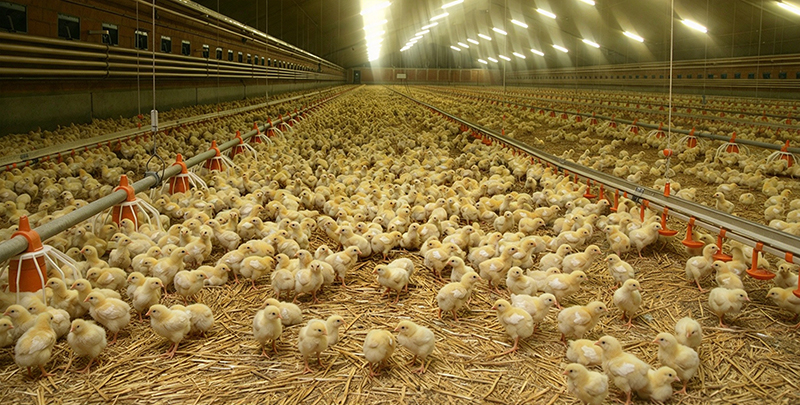
Poultry Floor Farming Automation: Feeding Systems, Climate Control, and Manure Removal Costs
Automation is changing how floor-raised poultry farms manage feeding, housing conditions, and manure. Understanding the functions, investment requirements, and operating costs of these systems helps farm owners choose equipment that matches their production scale and budget.
-
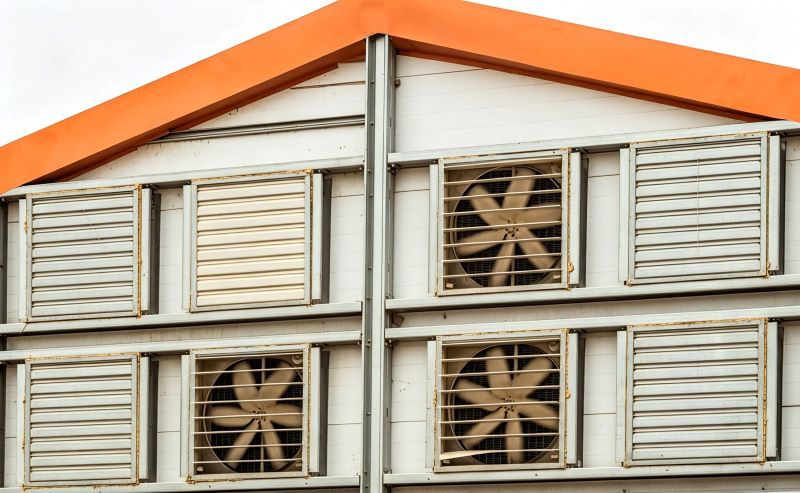
Integrated Poultry Cooling Systems: Combining Fans, Cooling Pads, Fogging and Smart Climate Control
An integrated poultry cooling system combines ventilation fans, evaporative cooling pads, fogging equipment, sensors, and climate controllers to improve environmental management. System configuration should be adapted to local climate conditions. Dry-hot regions may benefit more from evaporative cooling, while hot-humid environments require careful humidity management and sufficient ventilation. ROI evaluation should include equipment investment, energy…
-
All-In, All-Out, Complete Sanitization: Why Floor Rearing Systems Achieve Disease Elimination
Floor rearing systems offer a distinct advantage in disease control through the all-in, all-out management model. Unlike cage systems where birds remain in place across cycles, floor houses allow complete depopulation between flocks. This empty period enables thorough cleaning of every surface—walls, floors, feeders, and drinkers. Without cages obstructing access, disinfectants reach all areas, eliminating…
Product Categories
Subscribe To Product News
Leave your email address and receive our latest product updates