Your cart is currently empty!
+86 15863276370

Keeping poultry houses cool during hot weather requires more than lowering air temperature. Relative humidity and air movement also affect how effectively birds release body heat.
Evaporative cooling pads cool incoming air as ventilation fans draw it through wetted pads. They are widely used in mechanically ventilated poultry houses and can provide substantial cooling when properly sized and maintained. However, evaporation also increases indoor humidity, which may limit further cooling in humid weather.
High-pressure fogging systems release fine water droplets into the air. When droplets evaporate before reaching birds or litter, they absorb heat from the surrounding air. Fogging may be useful as a supplementary option during very hot, relatively dry conditions—for example, when outdoor temperatures exceed 35°C and relative humidity is below 70%. These figures are practical reference points, not universal operating thresholds.
Water use depends on nozzle flow rate, operating time, ventilation, and system design. Pad systems commonly recirculate water, while fogging systems use water according to nozzle output and control settings. Neither method has a universally lower water demand in every installation.
For safer operation, use temperature and humidity readings to control fogging intervals. A short initial cycle, such as one lasting up to three minutes, may be tested where appropriate, followed by reassessment before another cycle. Stop or reduce fogging if humidity rises excessively or litter and equipment become wet. The exact interval should follow system specifications and on-site conditions.
For most commercial poultry houses, cooling pads and tunnel ventilation provide the main cooling foundation. Fogging should be added only when climate conditions, airflow, and moisture management support its use.
Share this:
Other Posts
-
Equipment-as-a-Service: Feasibility and Market Acceptance in Automated Poultry Farming
Equipment-as-a-Service (EaaS) is emerging as an innovative procurement model in the livestock industry, particularly in automated poultry farming. Instead of large upfront investments, farmers can access advanced equipment such as feeding systems, ventilation units, and water supply systems through subscription-based or pay-per-use models. This approach significantly reduces financial pressure and allows small and medium-sized farms…
-
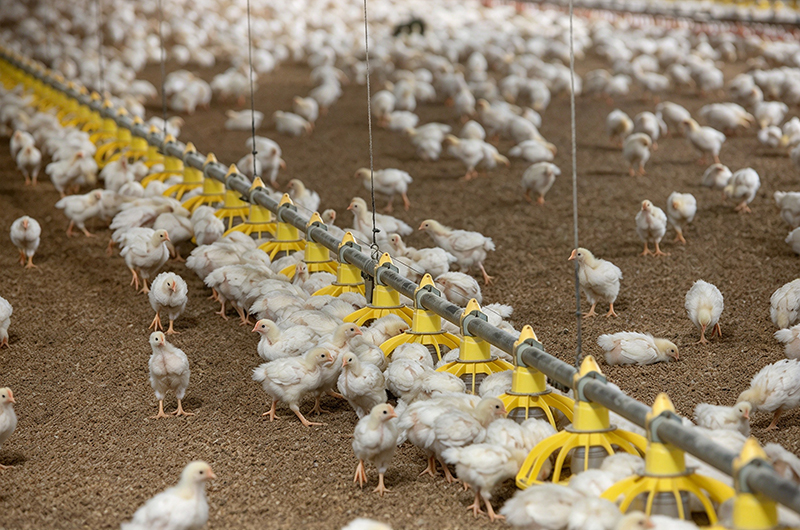
From Backyard to Commercial Broiler Farming in Southeast Asia: Key Equipment Needs for Floor-Raised Systems
As broiler production becomes more commercialized in parts of Southeast Asia, poultry farmers increasingly need equipment that supports consistent feeding, reliable ventilation, and efficient daily management. However, investment priorities vary with farm size, local climate, labor availability, and technical capacity.
-
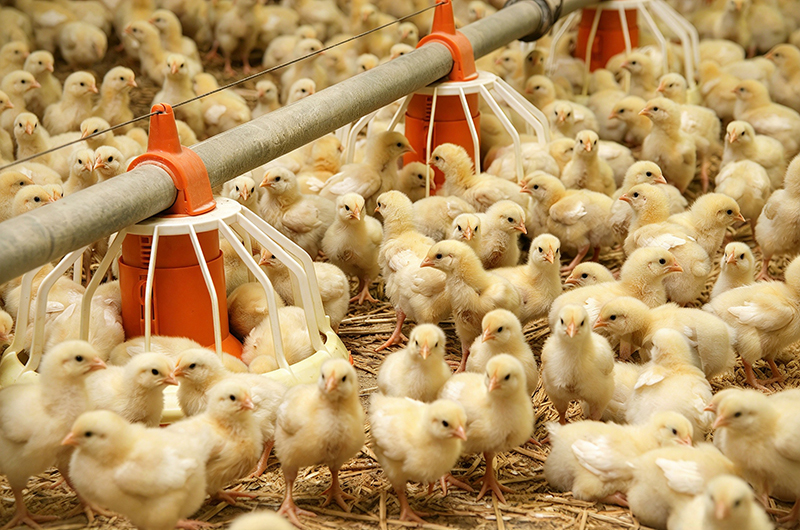
How Sensors and Timers Enable Precision Feeding in Poultry Farms: Understanding Automatic Feed Distribution
Precision feeding in poultry farming is not simply about delivering feed automatically. It involves controlling when feed is supplied and monitoring whether the feeding system meets the flock’s requirements. By combining sensors, timers, controllers, and mechanical feeding equipment, farms can create a more consistent and manageable feed distribution process.
-
Empirical Analysis of the Effect of Sealed Feed Bins on Feed Mold Control
Feed mold contamination is a major concern in poultry farming, leading to nutrient loss and health risks. This study evaluates the effectiveness of sealed feed bins in controlling mold development under practical farm conditions. A comparative trial was conducted over 90 days in two identical broiler houses. House A used conventional open feed storage, while…
Product Categories
Subscribe To Product News
Leave your email address and receive our latest product updates