Your cart is currently empty!
+86 15863276370

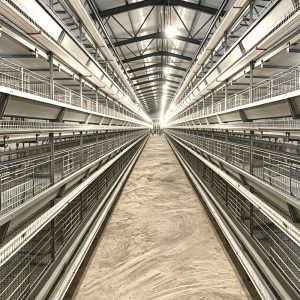
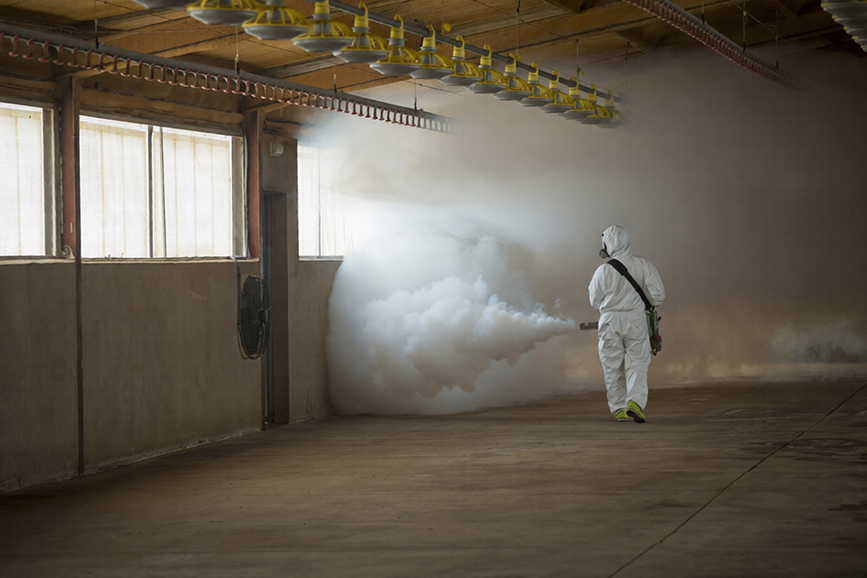
Floor rearing systems offer a distinct advantage in disease control through the all-in, all-out management model. Unlike cage systems where birds remain in place across cycles, floor houses allow complete depopulation between flocks.
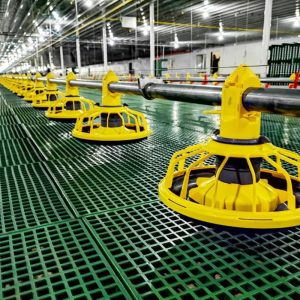
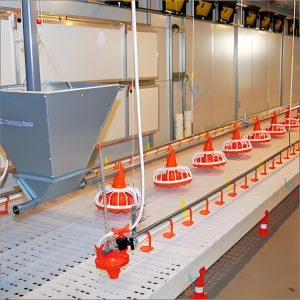
This empty period enables thorough cleaning of every surface—walls, floors, feeders, and drinkers. Without cages obstructing access, disinfectants reach all areas, eliminating pathogens that could otherwise persist.
The all-in, all-out approach also breaks disease transmission cycles. New flocks enter a fully sanitized environment with no residual pathogens from previous birds, significantly reducing the risk of recurring illnesses like necrotic enteritis or infectious bronchitis.
Combined with proper downtime management, floor rearing systems provide a cleaner break between flocks, making disease elimination more achievable compared to continuous production systems.
Share this:
Other Posts
-
The Hidden Cost of Feed Waste: A Quantitative Analysis of Spillage, Spoilage, and Feed Refusal
Feed waste represents a major economic loss in broiler production. Three primary sources account for most waste: spillage, spoilage, and feed refusal. Spillage occurs during transport, loading, and at the feeder due to overfilling or bird activity. Typical losses range from 3–5% of total feed. Spoilage results from moisture in litter or humidity, causing mold…
-
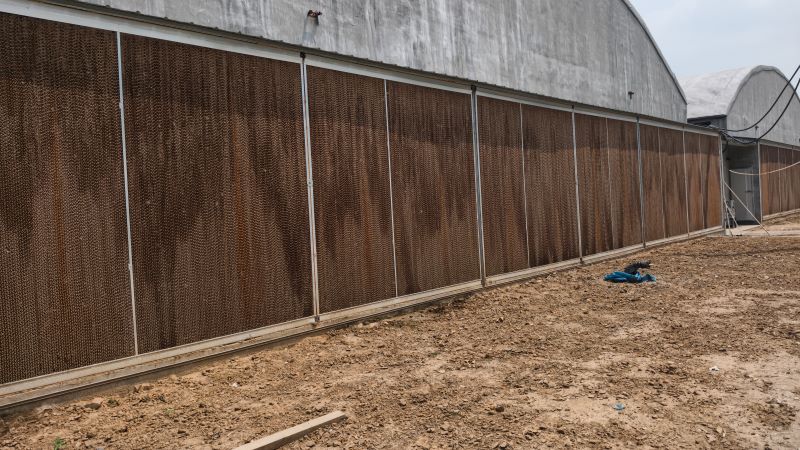
Evaporative Cooling Pad Water Quality and Maintenance: How Hardness, pH, and Mineral Scale Affect Cooling Performance
Water quality is an important factor affecting the performance and maintenance of evaporative cooling pads in poultry houses. High mineral content, unsuitable pH conditions, and accumulated scale can interfere with water distribution and evaporation efficiency. This article examines practical maintenance strategies, including water testing, controlled bleed-off, periodic flushing, and routine inspection. Effective water management can…
-
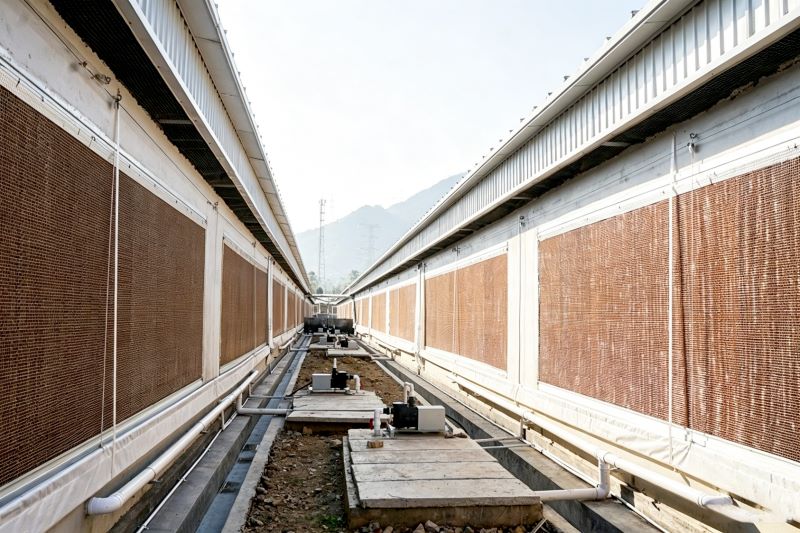
Synergistic Optimization of Cooling Pad Expansion and Water Quality Management: Strategies for Improving Evaporative Cooling Efficiency in Hot and Humid Regions
In tunnel-ventilated poultry houses, evaporative cooling pad performance directly impacts bird welfare and productivity during summer. Two critical factors determine system effectiveness: proper pad sizing and water quality management. Pad Sizing Principles Pad area should be determined by total tunnel fan capacity, not house dimensions. Industry standard recommends one square foot of six-inch pad for…
-
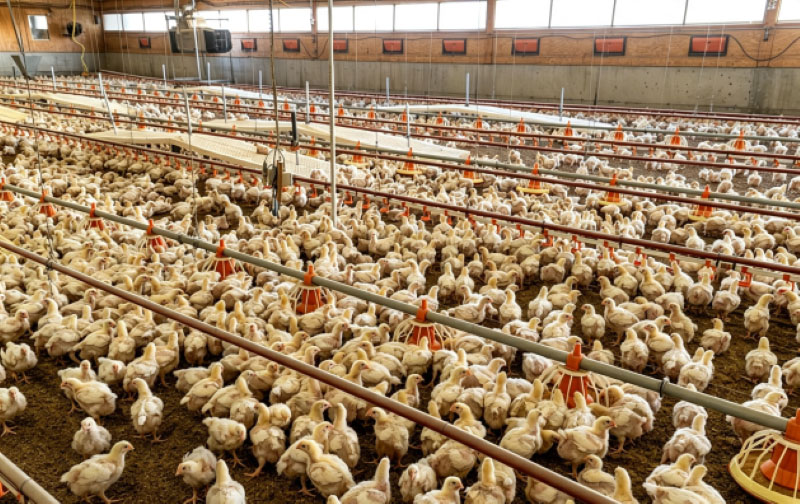
El Niño-Based Feed Storage Strategies for Poultry Farms: Preventing Mold Risk Through Climate-Adaptive Management
El Niño-related climate variations may create additional challenges for poultry feed storage, especially in humid regions where mold risk can increase. This article discusses climate-adaptive strategies including sealed feed silos, moisture control methods, and phased feed purchasing plans. By combining suitable storage equipment with scientific management practices, poultry farms can improve feed quality stability and…
Product Categories
Subscribe To Product News
Leave your email address and receive our latest product updates