Your cart is currently empty!
+86 15863276370

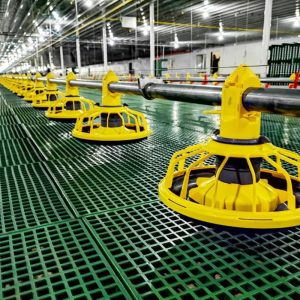
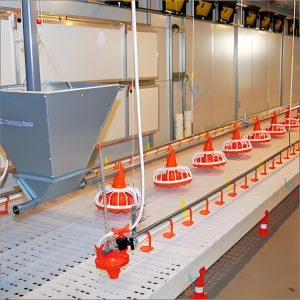
Precision feeding delivers exact feed amounts based on real-time bird weight and intake patterns, minimizing waste. For a 10,000-bird flock with a 40-day cycle and average feed conversion ratio (FCR) of 1.6, total feed consumption reaches roughly 16,000 kg per cycle.
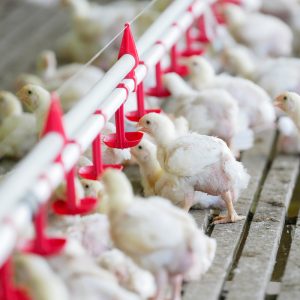
Manual feeding typically wastes 5–10% of feed due to spillage, spoilage, and uneven distribution. Precision systems cut this waste to under 2%. Taking a conservative 6% reduction, annual savings for 6 cycles amount to 5,760 kg of feed.
At $450 per metric ton, this equals $2,592 saved yearly. Additionally, improved FCR (by 0.05–0.08) adds further savings. Precision feeding thus offers measurable economic returns while reducing environmental footprint.
Share this:
Other Posts
-
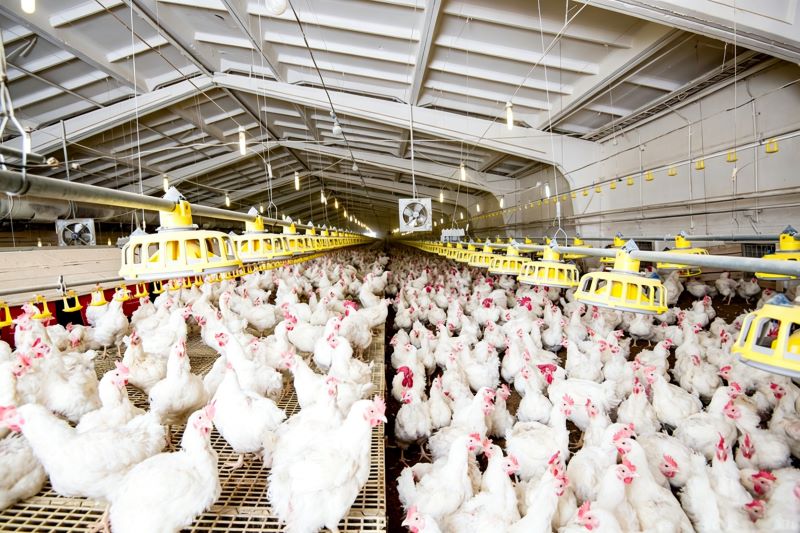
How to Improve Broiler Feed Conversion Ratio: The Synergy of Precision Feeding and Smart Environmental Control
Feed conversion ratio (FCR) is the most critical metric in broiler production—feed accounts for 60–70% of total costs. Improving FCR by just 0.1 can save over 6 tons of feed per 10,000 birds annually. This article examines how precision feeding and smart environmental control work together to achieve this gain. Precision Feeding: Right Amount, Right…
-
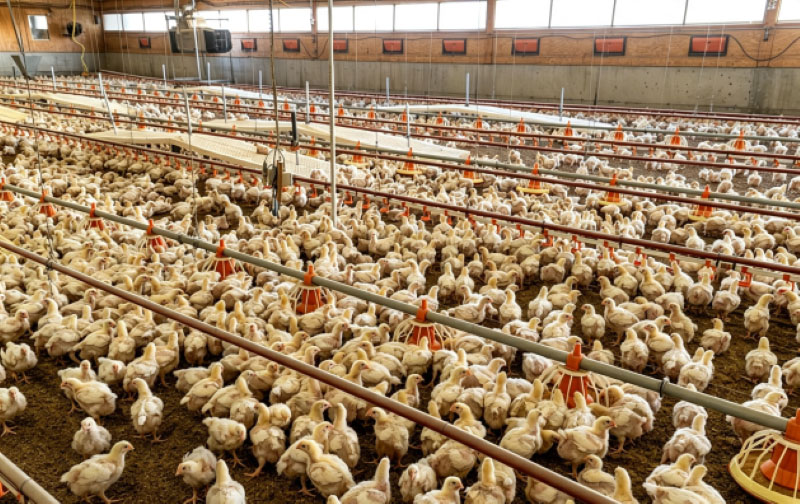
El Niño-Based Feed Storage Strategies for Poultry Farms: Preventing Mold Risk Through Climate-Adaptive Management
El Niño-related climate variations may create additional challenges for poultry feed storage, especially in humid regions where mold risk can increase. This article discusses climate-adaptive strategies including sealed feed silos, moisture control methods, and phased feed purchasing plans. By combining suitable storage equipment with scientific management practices, poultry farms can improve feed quality stability and…
-
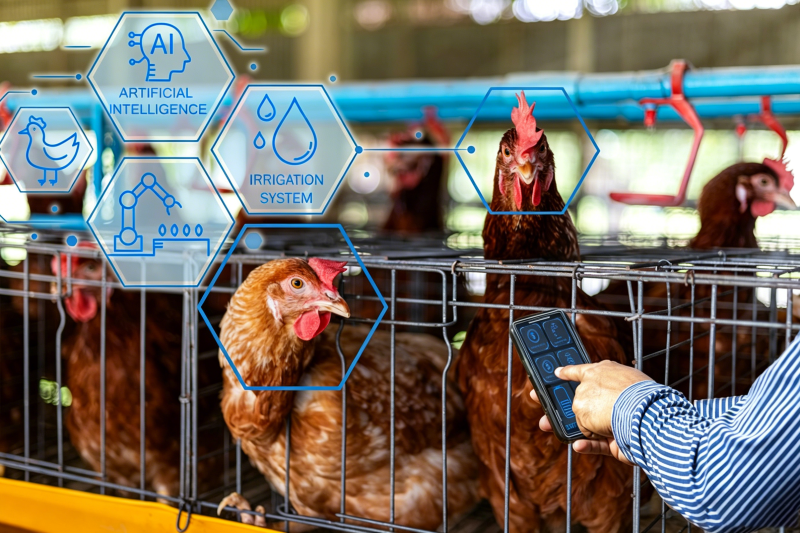
Top 10 Innovation Trends in Poultry Equipment for 2026: From Operational Tools to Strategic Assets
Poultry equipment is no longer just hardware—it is evolving into data-driven decision engines. Here are ten trends shaping the industry. 1. Digital Twins Go OperationalDigital twins move beyond pilot projects. They now simulate flock growth, test ventilation changes, and predict feed conversion before a single bird enters the house. Key shift: from visualization to actionable…
-
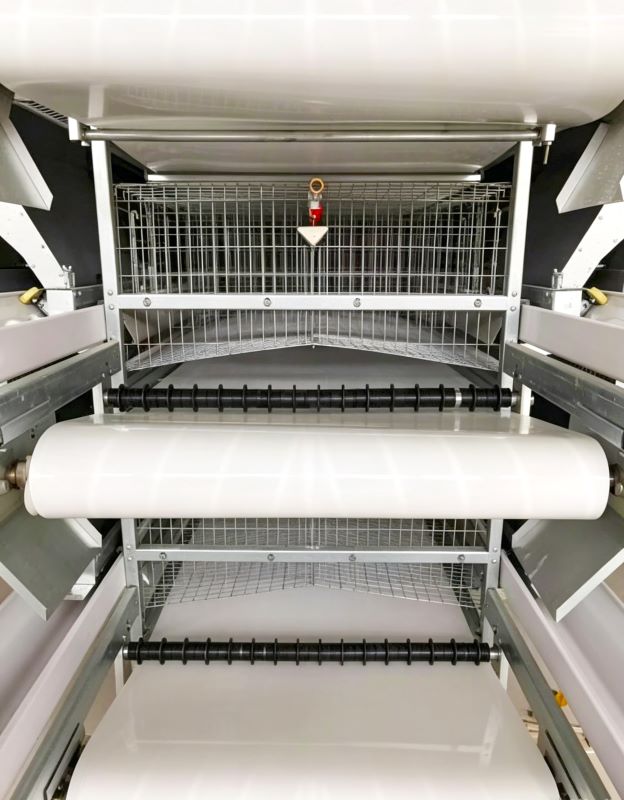
Manure Conveyor Belt Tracking Adjustment – Fix It Yourself Without a Service Call
Belt misalignment (tracking off) is a common issue in floor rearing houses. Most cases are caused by uneven tension, non‑parallel rollers, or uneven load distribution. Follow these three steps to fix it yourself. Step 1: Identify the direction and locationRun the belt empty and observe which side it shifts toward. If the belt runs to…
Product Categories
Subscribe To Product News
Leave your email address and receive our latest product updates