Your cart is currently empty!
+86 15863276370

During El Niño events, heavy rainfall or prolonged drought alter housing microclimates, affecting disease risks differently in open-sided and closed poultry houses.
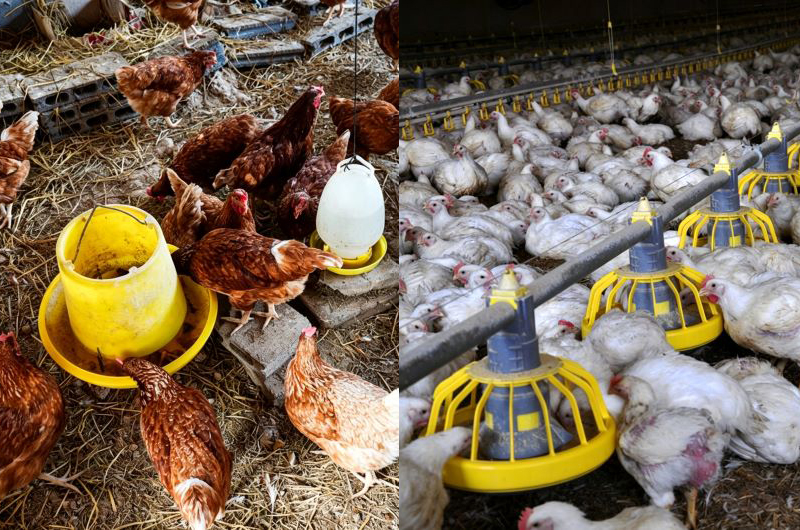
In open-sided houses, heavy rainfall increases litter moisture and ammonia levels, promoting coccidiosis and pododermatitis. Dry conditions increase airborne dust, irritating the respiratory tract and increasing the incidence of colibacillosis.
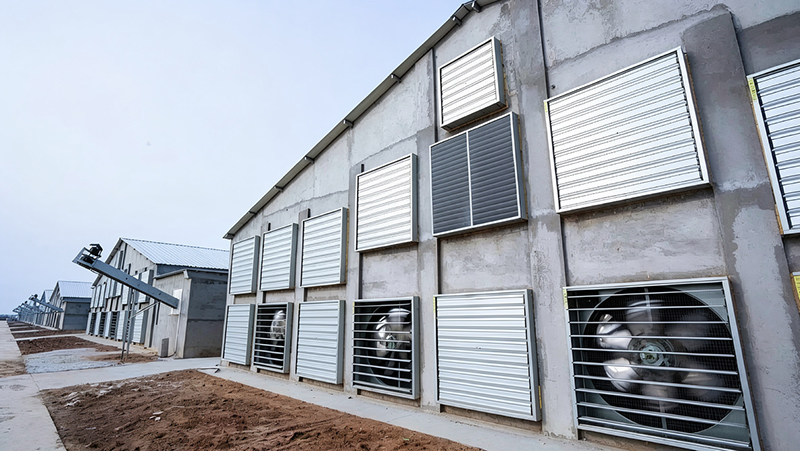
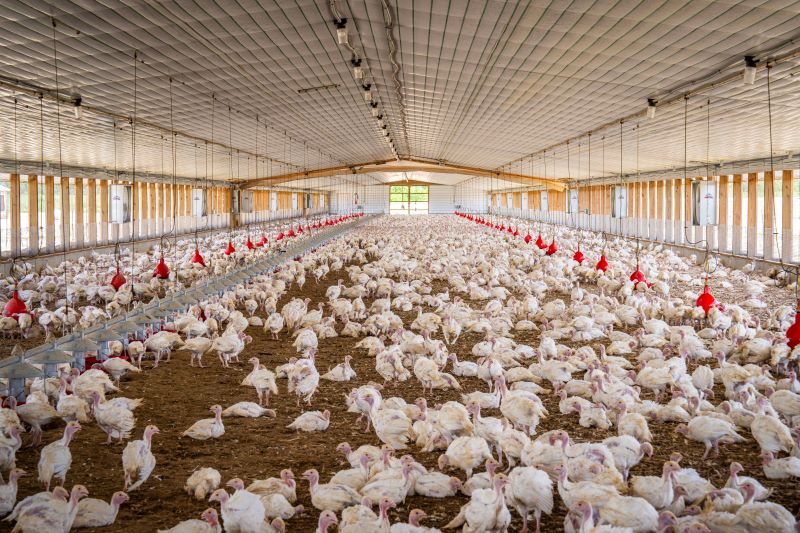
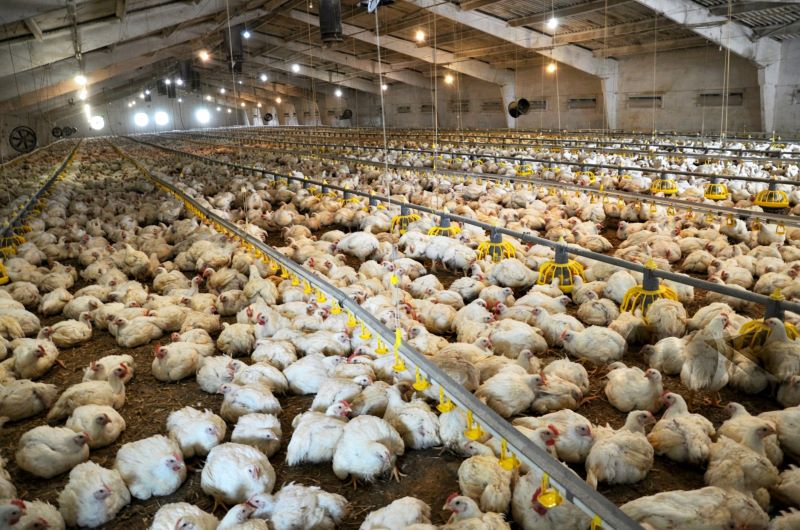
Closed houses with mechanical ventilation can better control humidity; however, power outages during storms can lead to rapid ammonia buildup. During drought, air recirculation may concentrate pathogens, increasing the risk of viral respiratory diseases.
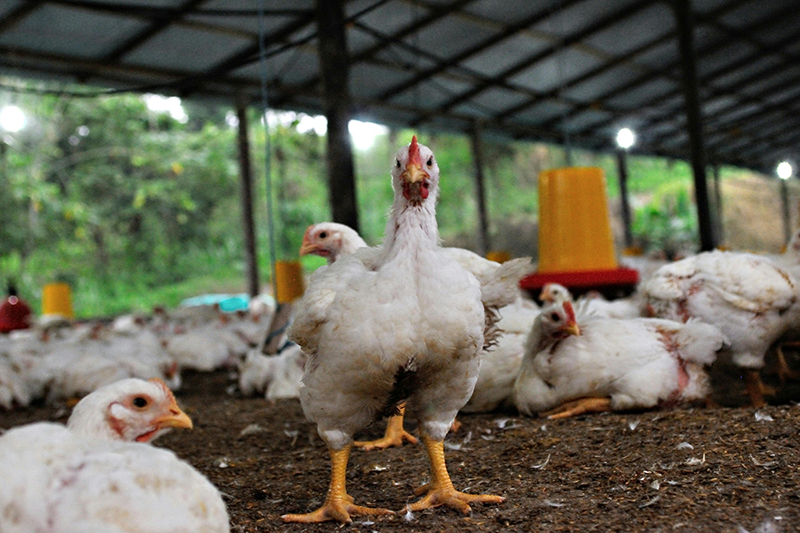
To mitigate these risks, in open houses during wet periods, litter turning should be increased and ridge ventilation should be installed. During dry periods, misting systems can be used to reduce dust levels. For closed houses, backup generators and ammonia sensors integrated with exhaust fan control systems are recommended. Cleaning schedules should also be adjusted based on rainfall forecasts. These targeted measures can reduce disease incidence under El Niño extremes.
Share this:
Other Posts
-
From Feed Waste to Precision Feeding: How Better Feed Management Can Improve Broiler FCR and ROI
Feed is one of the major operating costs in broiler production, making feed efficiency an important factor in farm profitability. Precision feeding and well-designed feeding equipment can help reduce unnecessary feed waste and improve feeding consistency. However, the return on investment depends on farm conditions and should be evaluated using actual production data.
-
Comparative Cost Efficiency Model of Poultry Farm Labor Savings: Europe vs Middle East Market Analysis
Labor cost structure is one of the most critical variables influencing investment decisions in commercial poultry production systems. This study presents a comparative cost efficiency model for a 10,000-broiler farm, focusing on labor savings potential and automation adoption differences between Europe and the Middle East. In European poultry markets, labor costs are relatively high due…
-
Global Cage-Free Poultry Equipment Market Outlook 2026–2030: Growth Opportunities in the Middle East and Southeast Asia
The global poultry industry is entering a new stage of modernization, with increasing demand for efficient, automated, and sustainable farming solutions. This article analyzes the development opportunities of cage-free poultry equipment markets from 2026 to 2030, focusing on the Middle East and Southeast Asia. It explores regional differences in production needs, climate challenges, labor conditions,…
-
2026–2030 Adoption Forecast for Floor Rearing Automation: Which Technology Becomes Standard First?
Over the next five years, three automation technologies will lead floor rearing adoption. Automated feeding systems top the list. Their clear payback (12–24 months) and direct feed savings (5–10%) make them the first standard feature globally. Tunnel ventilation with evaporative cooling follows closely. Rising heat waves and climate volatility push this system from optional to essential in tropical…
Product Categories
Subscribe To Product News
Leave your email address and receive our latest product updates