Your cart is currently empty!
+86 15863276370

Labor shortages and rising labor costs are becoming important challenges for modern poultry farms. Traditional feeding processes usually involve multiple manual tasks, including feed transportation, bag handling, feed distribution, feeding adjustment, and cleaning. As farm scale increases, these repetitive operations require more labor and management effort.
Automatic feeding systems provide a more efficient solution by reducing dependence on manual feeding activities. The labor reduction process can be divided into three stages: manual operation, semi-automatic assistance, and fully automated feeding management.
In traditional feeding methods, workers need to move feed bags, transfer feed, distribute it to feeding areas, and regularly check feeding conditions. These tasks require significant time and physical effort, especially in medium and large-scale farms.
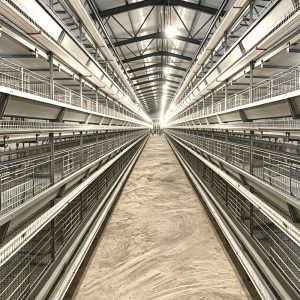
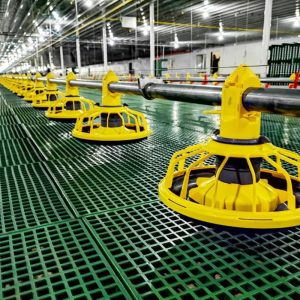
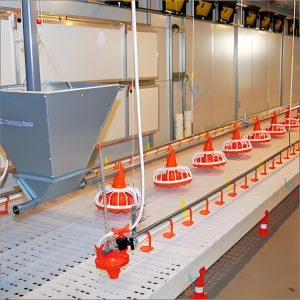
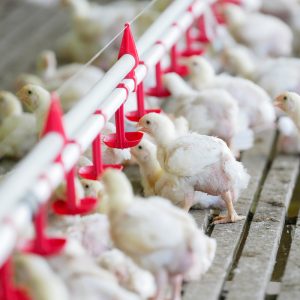
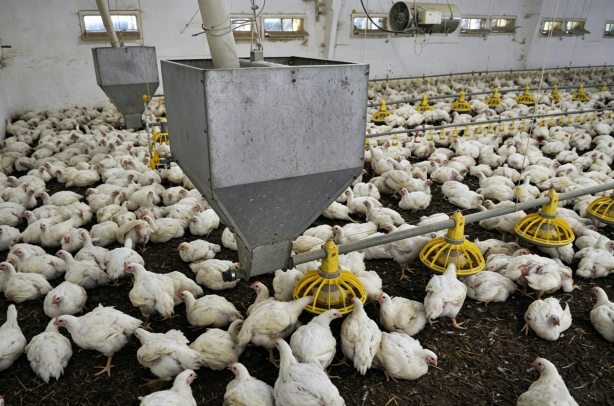
Semi-automatic systems reduce part of the workload through equipment support, such as feed storage and transportation systems. Fully automated feeding systems integrate feed silos, conveying equipment, feeding lines, and control systems to deliver feed according to preset schedules, allowing workers to focus more on monitoring, maintenance, and farm management.
The value of automation is not only labor reduction but also improved feeding consistency. Automated systems can provide more stable feed distribution, reduce operational differences, and support standardized farm management.
The actual benefits depend on farm size, equipment configuration, poultry house design, and management practices. Therefore, selecting a suitable feeding automation solution requires comprehensive planning based on production needs.
As poultry farming continues to develop toward smarter production, automatic feeding systems will play an important role in improving efficiency, reducing labor dependency, and supporting long-term farm development.
Share this:
Other Posts
-
Predictive Climate Control in Poultry Farming: Using Weather Forecast Data to Reduce Heat Stress Risks
Heat stress management is one of the most important challenges in modern poultry production, especially in regions experiencing frequent extreme temperature events. Traditional environmental control systems mainly respond after temperature changes occur, while predictive climate control combines weather forecast data with automated equipment management to improve farm preparedness. A predictive control model uses external weather…
-
Broiler Drinking Water Management in Summer: Density, Temperature, and Electrolytes for Heat Stress Relief
Water is the most critical nutrient for broilers during hot weather. When temperatures rise, birds can double their water intake. Yet many farms overlook three key factors: drinker density, water temperature, and electrolyte supplementation. Here’s what the data shows. Drinker Density: Enough Points Matter Inadequate drinker access is a primary bottleneck during heat stress. Industry…
-
Intelligent Broiler Farming Equipment: Setting a New Benchmark for Efficient Farming
With the scaling development of the poultry industry, modern broiler farming equipment has become key to improving profitability. We specialize in the R&D and production of a series of farming equipment, helping farmers achieve efficient, labor-saving, and scientific feeding management. Core equipment includes: Our equipment is characterized by durability, ease of operation, and energy efficiency.…
-
The Future of Large-Scale Smart Poultry Farming
The outlook for large-scale smart poultry farming is exceptionally promising globally, driven by the need to feed a growing population sustainably. These technologically advanced farms represent a significant evolution from traditional methods, integrating automation, data analytics, and the Internet of Things (IoT). Key development advantages are substantial. Firstly, precision farming using sensors and AI monitors…
Product Categories
Subscribe To Product News
Leave your email address and receive our latest product updates