Your cart is currently empty!
+86 15863276370

A sudden increase in poultry fan noise may indicate a problem with the fan blades, motor, bearings, or mounting structure. Early inspection can help identify potential faults before they affect ventilation performance.
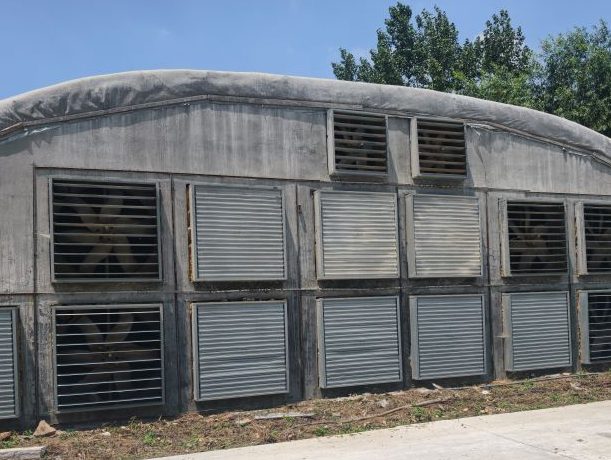
Step 1: Check the fan blades and protective components.
Turn off and isolate the power before inspection. Check whether the blades are damaged, loose, or obstructed by dust or foreign objects. Accumulated dust can also affect blade balance and increase vibration and noise.
Step 2: Inspect the motor and moving components.
After confirming that the equipment is safely powered off, check for unusual vibration, loose fasteners, or abnormal bearing noise. If the motor becomes excessively hot or produces a burning smell, stop operation and arrange professional inspection.
Step 3: Check the installation and mounting structure.
Loose brackets, panels, belts, or fasteners can create additional vibration during operation. Compare the current operating sound and vibration with the fan’s normal condition. If abnormal noise continues after basic inspection, further diagnosis may be required.
Regular cleaning, fastening checks, and scheduled maintenance can help maintain stable fan performance. For poultry houses, ventilation equipment should also be evaluated together with airflow requirements, fan operating hours, and environmental conditions.
Important: Always disconnect the power before opening or inspecting a fan. Electrical components and rotating parts should be serviced by qualified personnel when necessary.
Share this:
Other Posts
-
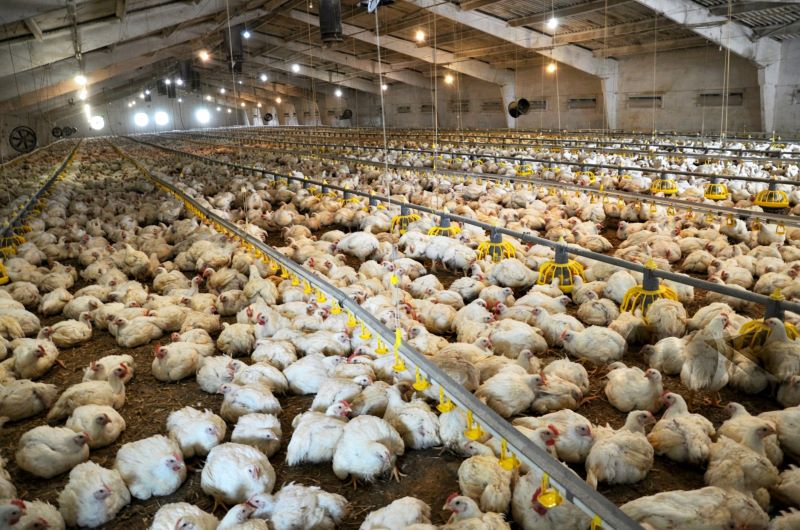
Global Cage-Free Poultry Equipment Market Outlook 2026–2030: Growth Opportunities in the Middle East and Southeast Asia
The global poultry industry is entering a new stage of modernization, with increasing demand for efficient, automated, and sustainable farming solutions. This article analyzes the development opportunities of cage-free poultry equipment markets from 2026 to 2030, focusing on the Middle East and Southeast Asia. It explores regional differences in production needs, climate challenges, labor conditions,…
-
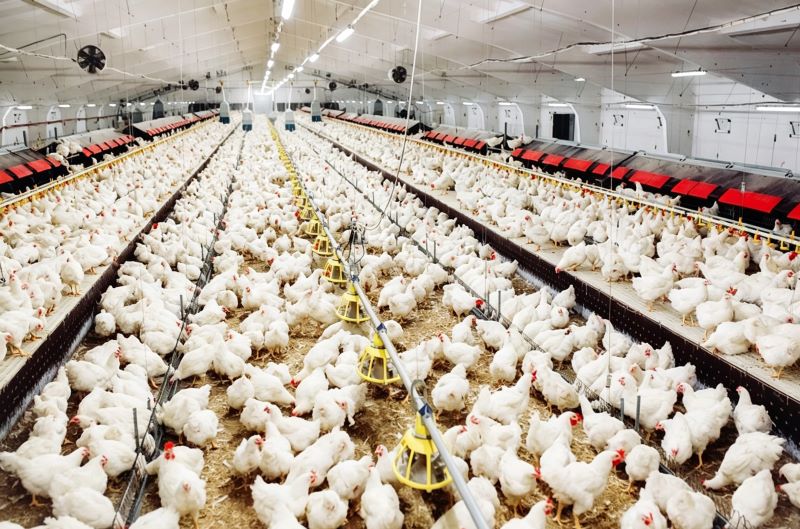
Smart Monitoring Systems in Poultry Farming: Efficiency Improvements and Operational Mechanisms
Smart monitoring systems are increasingly used in modern poultry farming to improve production efficiency, environmental stability, and overall flock performance. In commercial broiler production environments, integrated monitoring solutions have been associated with productivity improvements of approximately 20–34%, depending on farm scale, equipment configuration, and management practices. The main mechanism behind this improvement is real-time environmental…
-
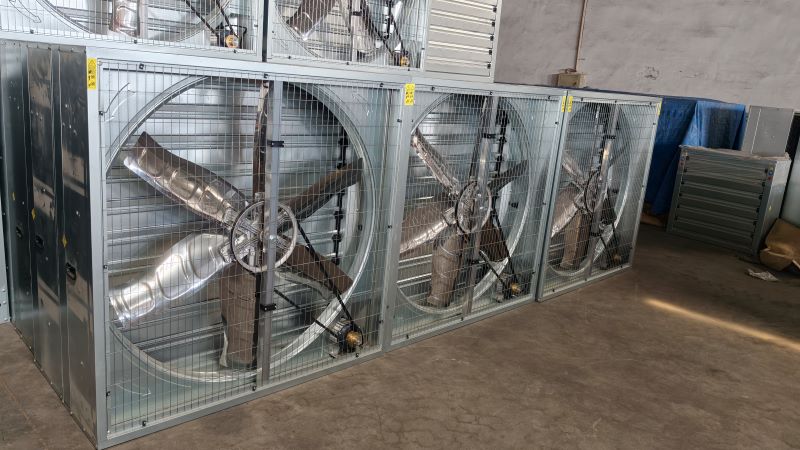
How Variable-Speed Poultry Fans Reduce Energy Use Without Compromising Cooling Performance
Variable-speed poultry fans can help farms balance cooling performance and electricity consumption by adjusting airflow according to environmental conditions. Instead of operating continuously at full speed, fans can run at lower speeds during moderate conditions and increase capacity when temperatures rise. When integrated with temperature sensors, evaporative cooling pads, and climate-control systems, variable-speed ventilation can…
-
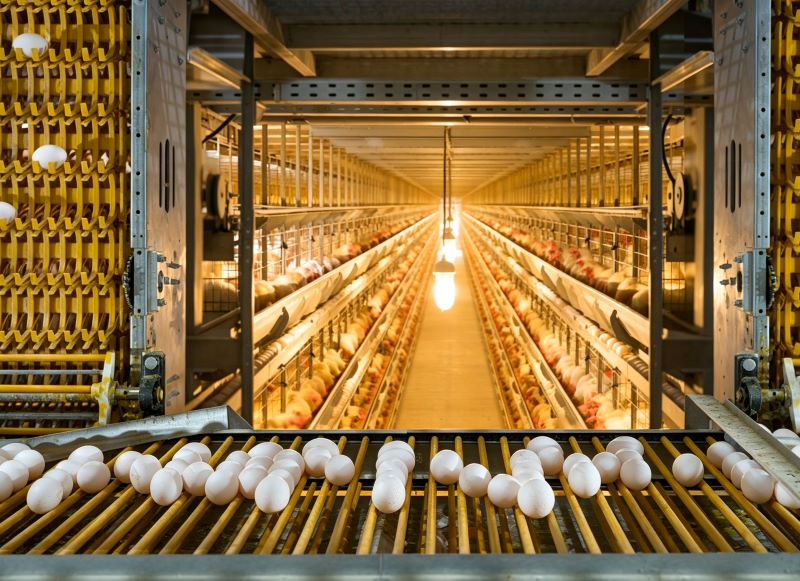
Semi-Automatic vs. Fully Automatic Poultry Farming Systems: ROI Comparison and Investment Guide
Choosing between a semi-automatic and fully automatic poultry farming system is an important investment decision. The right solution depends not only on equipment cost, but also on farm capacity, labor availability, management requirements, and long-term operating expenses.
Product Categories
Subscribe To Product News
Leave your email address and receive our latest product updates