Your cart is currently empty!
+86 15863276370

Semi-automatic and fully automatic poultry farming systems offer different approaches to improving farm efficiency. Understanding their ROI requires more than comparing the initial equipment price.
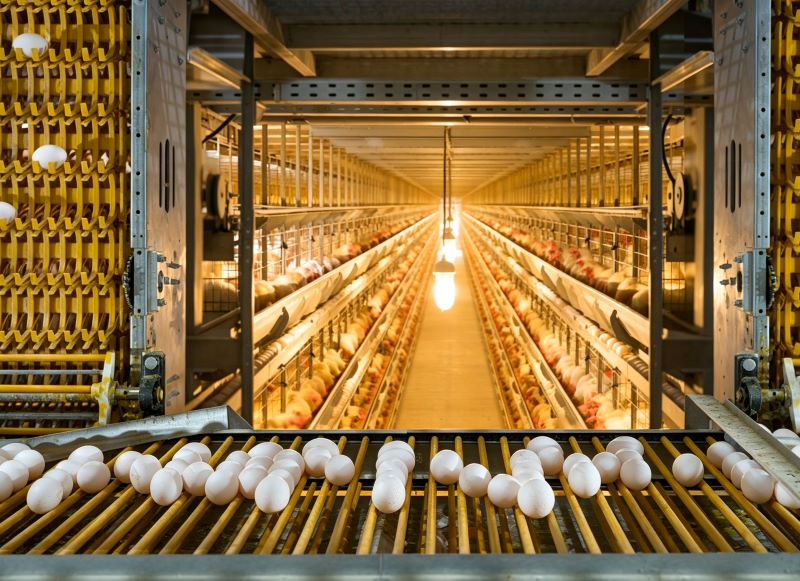
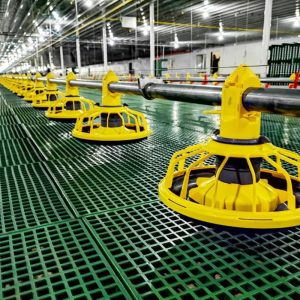
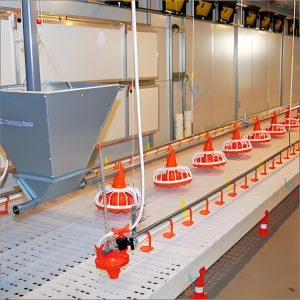
A semi-automatic system usually combines automated equipment with manual operations. For example, automatic feeding or drinking systems can reduce repetitive work while tasks such as egg collection, manure handling, or flock inspection remain partly manual. This approach can be suitable for small and medium-sized farms or projects with limited initial investment.
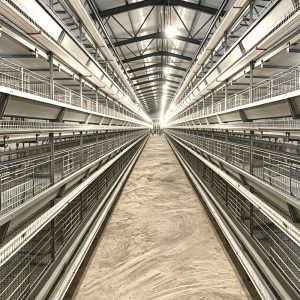
A fully automatic system integrates multiple processes, such as feeding, drinking, egg collection, manure removal, ventilation, and environmental control. Although the initial investment is generally higher, greater automation can reduce dependence on routine labor and improve operational consistency, especially on larger farms.
When comparing ROI, farm owners should consider several factors: equipment investment, labor costs, energy consumption, maintenance, production capacity, and expected service life. A simple evaluation can compare the additional investment with the annual operating-cost savings and productivity improvements generated by automation.
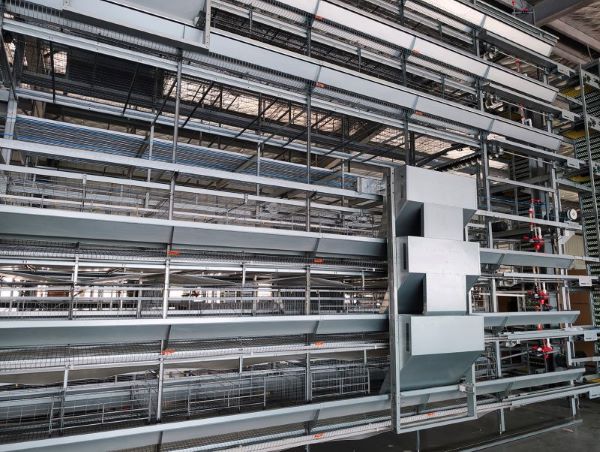
For example, if a farm already has sufficient labor and a relatively small flock, a semi-automatic solution may provide a more balanced investment. For larger commercial farms, the labor-saving and management advantages of full automation may justify the higher initial cost.
Therefore, there is no universal “best” automation level. The most appropriate system should be selected according to farm scale, local labor conditions, production goals, and available budget.
Share this:
Other Posts
-
Annual Feed Savings Estimation for a 10,000-Bird Broiler Farm Using Precision Feeding
Precision feeding delivers exact feed amounts based on real-time bird weight and intake patterns, minimizing waste. For a 10,000-bird flock with a 40-day cycle and average feed conversion ratio (FCR) of 1.6, total feed consumption reaches roughly 16,000 kg per cycle. Manual feeding typically wastes 5–10% of feed due to spillage, spoilage, and uneven distribution.…
-

Automatic Manure Removal System ROI Analysis: Labor Cost, Ammonia Control, and Waste Management Comparison Before and After Installation
Automatic manure removal systems are becoming an important component of modern poultry farm automation. This article compares traditional manual manure handling and automated manure conveyor systems from three perspectives: labor requirements, ammonia management, and waste processing efficiency. Manual cleaning methods may increase labor dependency and create challenges in maintaining consistent environmental conditions. Automated manure removal…
-
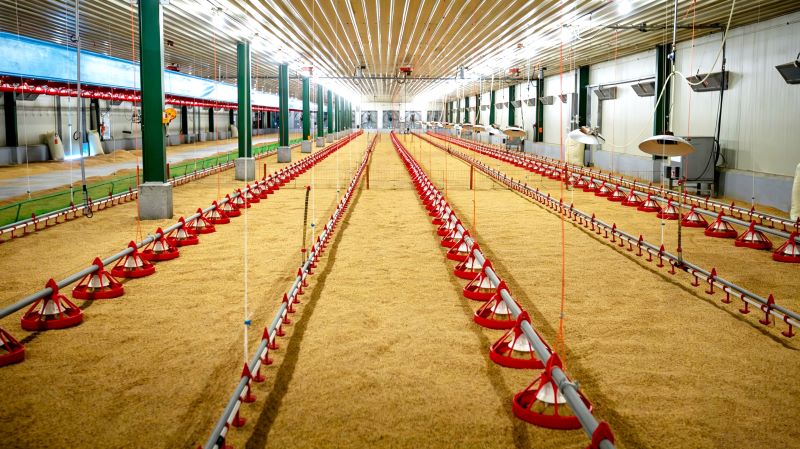
Poultry House Orientation and Heat Stress Reduction: East–West vs North–South Layout Impact on Solar Heat Gain
Poultry house orientation is a fundamental design parameter that directly affects thermal comfort, ventilation efficiency, and broiler performance. In commercial poultry production systems, improper building orientation can significantly increase solar heat gain and raise the risk of heat stress, especially in hot climate regions. An east–west oriented poultry house is typically more exposed to direct…
-
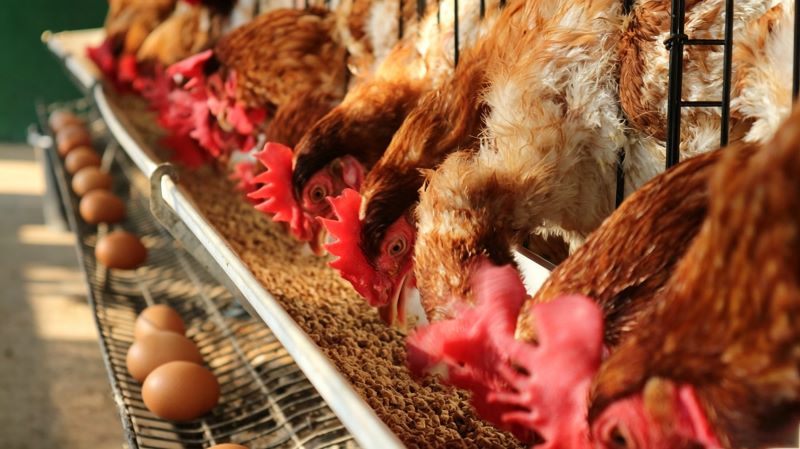
Manual Feeding vs Precision Feeding Systems in Poultry Farming: Efficiency, Cost, and Feed Conversion Comparison
Feed management is one of the most critical factors affecting productivity and cost efficiency in poultry farming. Traditionally, manual feeding has been widely used due to its simplicity and low initial investment. However, with the development of automation technology, precision feeding systems are increasingly replacing manual operations in modern poultry houses. Manual feeding relies heavily…
Product Categories
Subscribe To Product News
Leave your email address and receive our latest product updates