Your cart is currently empty!
+86 15863276370

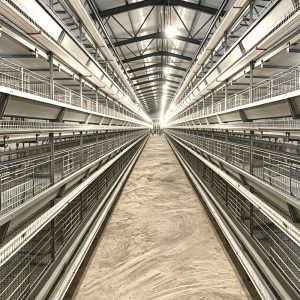
Automation is becoming an increasingly important part of modern poultry production. As farms grow in scale and labor availability becomes more challenging, automated feeding, drinking, ventilation, manure removal, and environmental control systems are being considered as ways to improve operational efficiency.
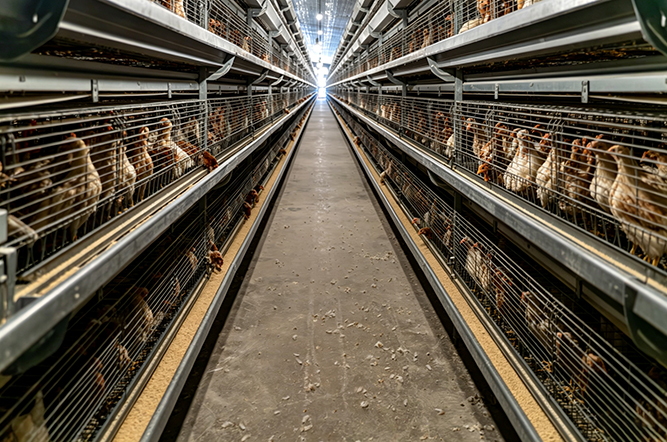
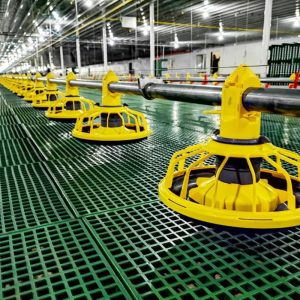
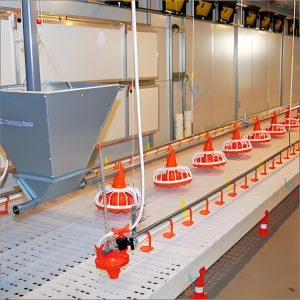
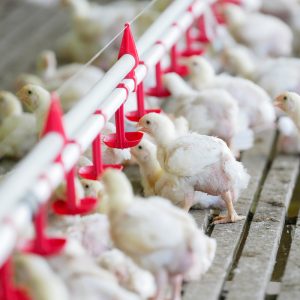
One major advantage of automation is reducing repetitive manual tasks. Automated feeding systems can deliver feed at scheduled intervals, while automatic drinking systems provide a more consistent water supply. Ventilation and climate-control equipment can also respond to environmental conditions, helping farmers manage temperature, humidity, and airflow more efficiently.
Automation can also improve operational consistency. Manual processes may vary between workers and working periods, whereas properly configured equipment can perform routine operations according to predefined settings. This can make daily management more predictable and easier to monitor.
However, automation should not be viewed simply as a way to replace workers. Equipment selection should consider farm size, housing design, climate, production goals, energy consumption, maintenance requirements, and available technical support.
For farms considering an upgrade, a gradual approach can be practical. Feeding, ventilation, drinking, and manure management can be automated according to operational priorities and investment capacity.
The growing interest in poultry automation reflects a broader shift toward more efficient and data-driven farm management. Rather than asking whether automation is necessary, farm operators can evaluate which processes offer the greatest potential for efficiency improvement and begin with the systems that best match their actual needs.
Share this:
Other Posts
-
What Scale Makes Automation Most Cost-Effective? A Study on the Size Threshold for Floor Rearing Equipment Payback
For floor rearing farms, automation becomes cost-effective when scale passes a certain threshold. Using a 12–24 month payback benchmark, analysis shows that 10,000 birds per house is the minimum viable scale for automated feeding systems. Below 8,000 birds, labor savings do not offset equipment costs. At 15,000–20,000 birds, payback drops to 12–18 months, and automated ventilation becomes…
-
Precision Feeding Mechanism Using Sensors to Monitor Pan Feed Levels
Precision feeding relies on real‑time monitoring of feed remaining in pans. Load cells or infrared sensors placed under each pan continuously measure feed weight or fill height. When the measured level drops below a preset threshold, the controller activates the auger or chain feeder to deliver a small, measured amount of feed. This closed‑loop mechanism…
-
Equipment + Service” Model: The Next Growth Driver in Biosecurity Equipment Market
As disease outbreaks become more frequent, poultry farms are shifting from buying standalone biosecurity equipment to seeking integrated solutions. The “equipment + service” model is emerging as a key growth driver in this space. This model combines hardware—such as automated disinfection channels, air filtration systems, and smart access controls—with value-added services like biosecurity audits, sanitation…
-
Empirical Estimation of 50% Labor Cost Reduction: A Cost-Saving Model for Automated Feeding in a 10,000-Bird Broiler Farm
This study quantifies labor cost savings from switching to automated feeding in a 10,000-bird broiler farm. Manual feeding requires two full-time workers for feed bag handling, transport, and daily distribution. Annual labor costs include wages (15/hour×8h/day×365days×2workers=15/hour×8h/day×365days×2workers=87,600), plus benefits, recruitment, and training overhead (estimated 25% of wages, 21,900)andmanagementsupervision(21,900)andmanagementsupervision(5,000). Total manual feeding cost: $114,500. Automated feeding uses a…
Product Categories
Subscribe To Product News
Leave your email address and receive our latest product updates