Your cart is currently empty!
+86 15863276370

Mold prevention should begin before feed reaches the poultry house. Moisture, poor ventilation, temperature fluctuations, and prolonged storage can create conditions that encourage mold growth and reduce feed quality.
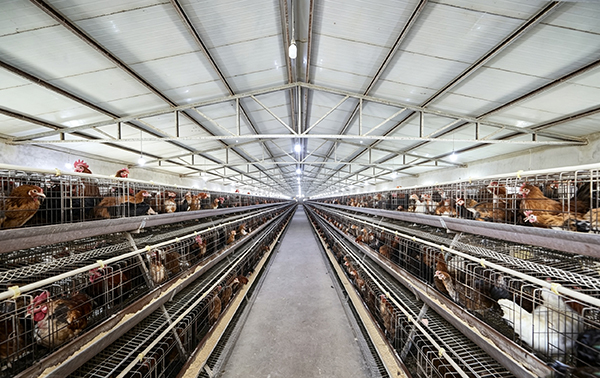
A practical feed quality management strategy includes keeping feed storage areas dry, checking storage equipment regularly, controlling moisture exposure, and using properly designed feed silos or sealed storage systems where appropriate. Feed lines and feeders should also be cleaned and inspected to prevent old feed from accumulating.
Poor-quality or contaminated feed may affect bird performance and can create additional management challenges. However, it is important not to assume that every health problem or mortality event is caused by mold. Flock health is influenced by nutrition, biosecurity, ventilation, stocking conditions, water quality, disease pressure, and management practices.
The economic benefit of mold prevention can therefore be evaluated through several indicators, including feed waste, flock performance, mortality, veterinary expenses, and treatment-related costs. Comparing these indicators across production cycles can help identify whether improvements in feed storage and distribution are producing measurable benefits.
The objective is not simply to reduce medication costs, but to establish a more stable feeding environment and prevent avoidable feed-quality problems.
For commercial poultry farms, combining proper feed storage, regular equipment maintenance, feed-quality monitoring, and professional flock health management provides a more reliable approach to controlling operating risks and improving long-term production efficiency.
Share this:
Other Posts
-
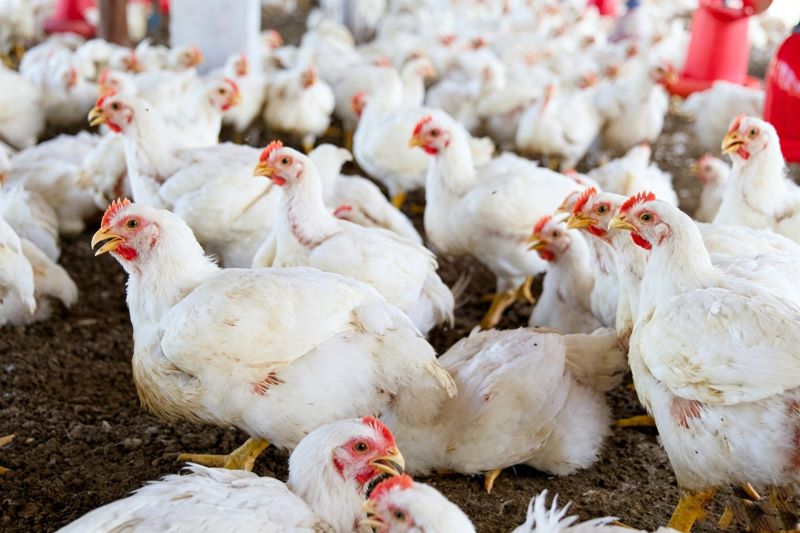
Precision Feeding Delivers 0.05 FCR Improvement – Saves 7.5 Tons of Feed per 10,000 Broilers
What if reducing your feed conversion ratio (FCR) by just 0.05 could save thousands of dollars every year? Our latest field data confirms that automated precision feeding systems consistently achieve this gain – with no extra labor or complex management. Here’s the math for a standard 10,000‑bird house: At today’s feed price of $450/ton, that’s…
-
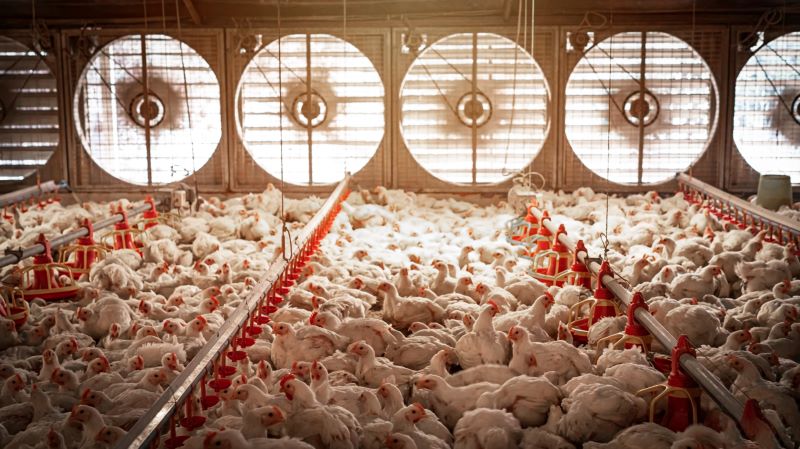
El Niño Impact on Broiler House Climate Control: Adaptive Ventilation and Cooling Strategies for Temperature and Humidity Management
El Niño events may create additional challenges for poultry production by influencing temperature patterns, humidity levels, and precipitation conditions in some regions. This article analyzes the potential impacts of climate fluctuations on broiler house environmental management and discusses adaptive strategies including ventilation system upgrades, evaporative cooling coordination, and real-time environmental monitoring. Effective climate control requires…
-
Empirical Analysis of the Effect of Sealed Feed Bins on Feed Mold Control
Feed mold contamination is a major concern in poultry farming, leading to nutrient loss and health risks. This study evaluates the effectiveness of sealed feed bins in controlling mold development under practical farm conditions. A comparative trial was conducted over 90 days in two identical broiler houses. House A used conventional open feed storage, while…
-

Integrated Poultry Cooling Systems: Combining Fans, Cooling Pads, Fogging and Smart Climate Control
An integrated poultry cooling system combines ventilation fans, evaporative cooling pads, fogging equipment, sensors, and climate controllers to improve environmental management. System configuration should be adapted to local climate conditions. Dry-hot regions may benefit more from evaporative cooling, while hot-humid environments require careful humidity management and sufficient ventilation. ROI evaluation should include equipment investment, energy…
Product Categories
Subscribe To Product News
Leave your email address and receive our latest product updates