Your cart is currently empty!
+86 15863276370

Feed quality does not depend only on the formulation. Storage conditions and feed handling also influence whether nutrients remain stable until the feed reaches the birds.
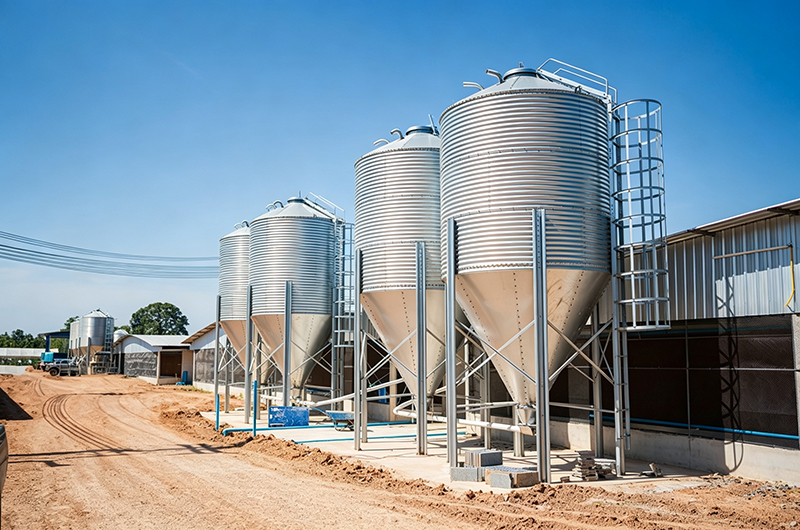
An appropriately designed sealed feed silo can help protect stored feed from rain, excessive moisture, dust, and external contamination. By reducing unnecessary exposure to the surrounding environment, it can support better feed storage conditions and help limit problems associated with moisture and deterioration.
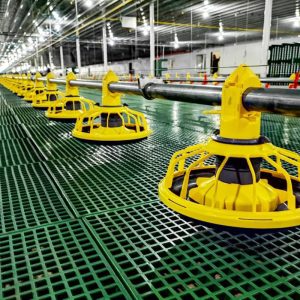
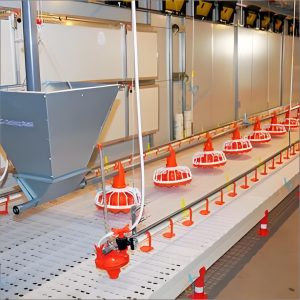
When connected to an automatic feeding system, the silo can continuously supply feed to the feeding line according to the farm’s operating requirements. This reduces the need for repeated manual handling and helps create a more controlled feed distribution process.
Better feed storage can also contribute to more consistent farm management. However, a sealed silo does not guarantee that feed will remain fresh under all conditions. Moisture control, silo inspection, cleaning, storage duration, feed quality, and local climate should all be considered.
The economic value can be evaluated by monitoring feed waste, rejected feed, storage losses, labor requirements, and flock performance. Veterinary and treatment costs should be analyzed separately because poultry health is influenced by many factors, including nutrition, biosecurity, ventilation, water quality, disease pressure, and management.
For commercial poultry farms, combining sealed feed storage with automatic feeding provides a practical approach to improving feed handling and reducing avoidable storage and distribution losses. The objective is not simply to store more feed, but to maintain a controlled and traceable feeding process from storage to the flock.
Share this:
Other Posts
-
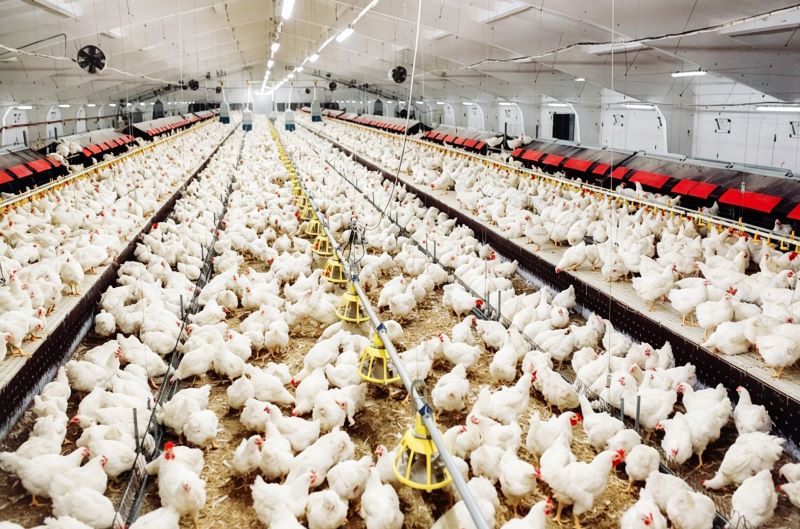
Smart Monitoring Systems in Poultry Farming: Efficiency Improvements and Operational Mechanisms
Smart monitoring systems are increasingly used in modern poultry farming to improve production efficiency, environmental stability, and overall flock performance. In commercial broiler production environments, integrated monitoring solutions have been associated with productivity improvements of approximately 20–34%, depending on farm scale, equipment configuration, and management practices. The main mechanism behind this improvement is real-time environmental…
-
Equipment-as-a-Service: Feasibility and Market Acceptance in Automated Poultry Farming
Equipment-as-a-Service (EaaS) is emerging as an innovative procurement model in the livestock industry, particularly in automated poultry farming. Instead of large upfront investments, farmers can access advanced equipment such as feeding systems, ventilation units, and water supply systems through subscription-based or pay-per-use models. This approach significantly reduces financial pressure and allows small and medium-sized farms…
-
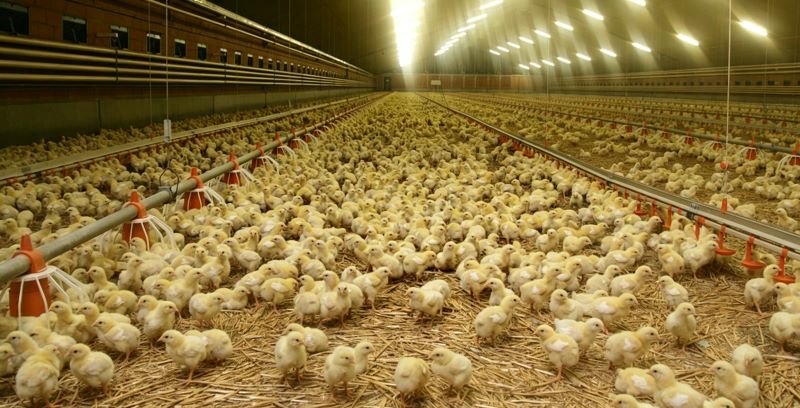
Predictive Climate Control in Poultry Farming: Using Weather Forecast Data to Reduce Heat Stress Risks
Heat stress management is one of the most important challenges in modern poultry production, especially in regions experiencing frequent extreme temperature events. Traditional environmental control systems mainly respond after temperature changes occur, while predictive climate control combines weather forecast data with automated equipment management to improve farm preparedness. A predictive control model uses external weather…
-
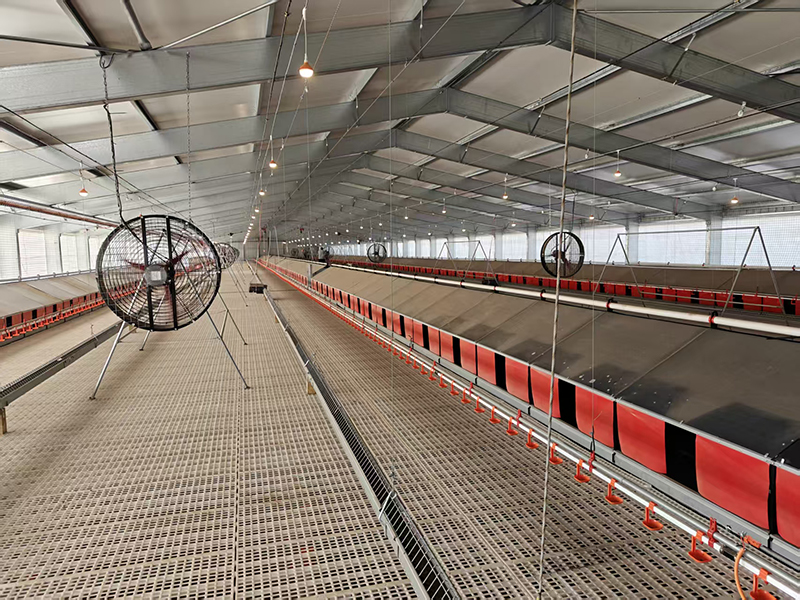
Wood, Plastic, or Metal Nest Boxes for Laying Hens? A Practical Material Comparison
Nest box material can influence cleaning, durability, hygiene management, and the daily use of a poultry house. Wood, plastic, and metal are three common options, but their practical performance depends on the housing environment, cleaning procedures, flock size, and nest box design. Understanding these differences can help layer farmers select a suitable nesting system.
Product Categories
Subscribe To Product News
Leave your email address and receive our latest product updates