Your cart is currently empty!
+86 15863276370

Feed prices can change because of grain markets, transportation costs, exchange rates, weather conditions, and regional supply and demand. For poultry farms, these fluctuations can directly affect production costs and the value of improving feed efficiency.
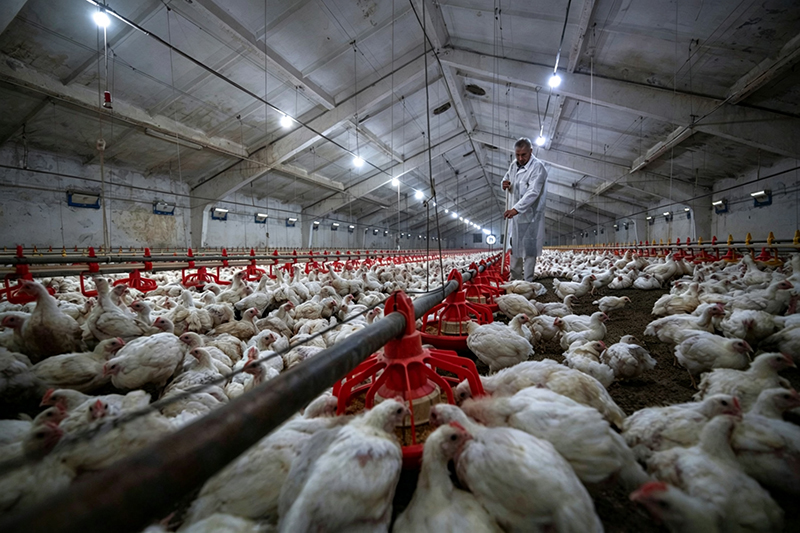
A simple sensitivity analysis can compare several feed-price scenarios, such as low, medium, and high market prices. The potential annual saving can then be estimated using:
Annual Feed Cost Saving = Reduced Feed Consumption × Feed Price
For example, if an automatic feeding system helps reduce avoidable feed waste, the economic value of that improvement will be different when feed prices are low compared with periods of higher prices. The equipment itself does not necessarily produce a larger physical saving when feed prices rise; rather, the monetary value of the same quantity of saved feed changes.
A complete investment analysis should also include equipment cost, installation, electricity consumption, maintenance, labor requirements, and expected service life. Farms can then compare the estimated annual operating benefit under different feed-price scenarios.
It is also important to use actual farm data whenever possible. Feed consumption, flock performance, waste levels, and local feed prices can provide a more realistic basis than applying a fixed savings percentage.
Sensitivity analysis therefore helps poultry producers understand the range of possible investment outcomes rather than relying on a single forecast. For commercial farms, this approach can support more informed decisions about automatic feeding systems and long-term feed cost management.
Share this:
Other Posts
-
Poultry Farm Automation vs. Labor Costs in the Middle East: Investment and Payback Analysis
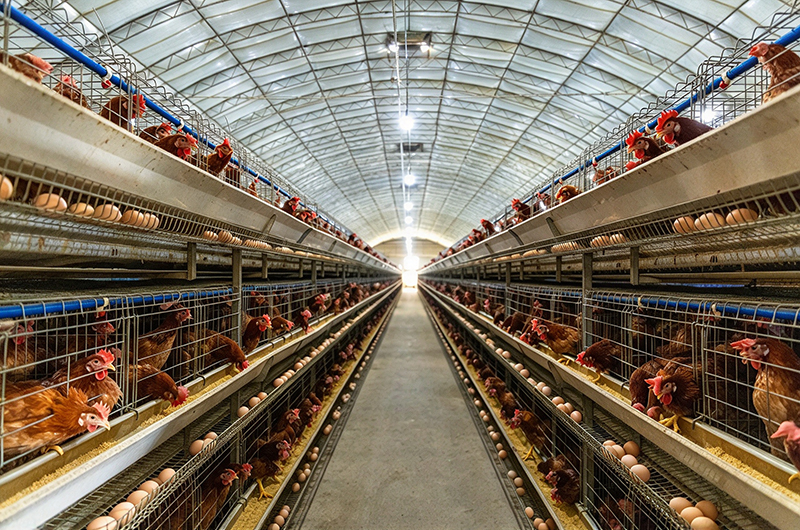
For commercial poultry farms in the Middle East, labor availability and operating costs can influence equipment investment decisions. Comparing manual operations with automated feeding, drinking, and manure removal systems helps farm owners assess whether automation is financially justified. The result depends on farm size, local employment costs, equipment prices, and actual labor savings.
-

Before Installing Evaporative Cooling Pads: 3 Poultry House Conditions to Check First
Evaporative cooling pad performance depends on the entire poultry house cooling system rather than the pad alone. This article outlines three key pre-installation checks: house sealing, fan capacity, and water supply conditions. Air leakage can disrupt airflow, unsuitable fan capacity may reduce effective air movement, and unstable or poor-quality water can affect pad wetting and…
-
Poultry Farming Equipment Industry Ushers in Intelligent Upgrade Wave, Market Size Expected to Exceed 20 Billion Yuan in 2025
With the deep application of technologies such as the Internet of Things and artificial intelligence, the poultry farming equipment industry is undergoing an unprecedented intelligent transformation. According to the latest market data, China’s poultry farming equipment market size is expected to exceed 20 billion yuan in 2025, with a compound annual growth rate of 12.26%.…
-
From Backyard to Commercial Broiler Farming in Southeast Asia: Key Equipment Needs for Floor-Raised Systems
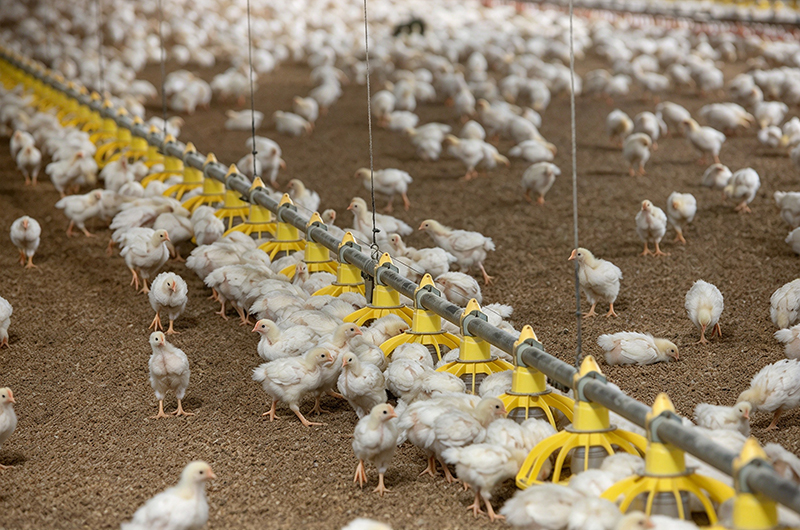
As broiler production becomes more commercialized in parts of Southeast Asia, poultry farmers increasingly need equipment that supports consistent feeding, reliable ventilation, and efficient daily management. However, investment priorities vary with farm size, local climate, labor availability, and technical capacity.
Product Categories
Subscribe To Product News
Leave your email address and receive our latest product updates