Your cart is currently empty!
+86 15863276370

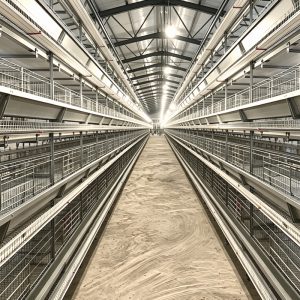
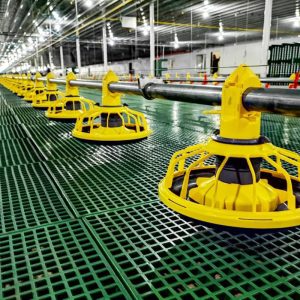
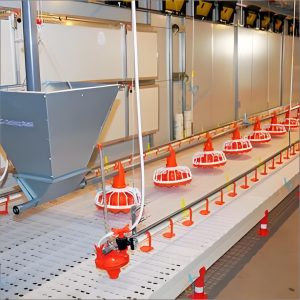
A poultry farm is not simply a building filled with equipment. Feeding, drinking, ventilation, manure management, cleaning, and biosecurity all influence the overall production environment.
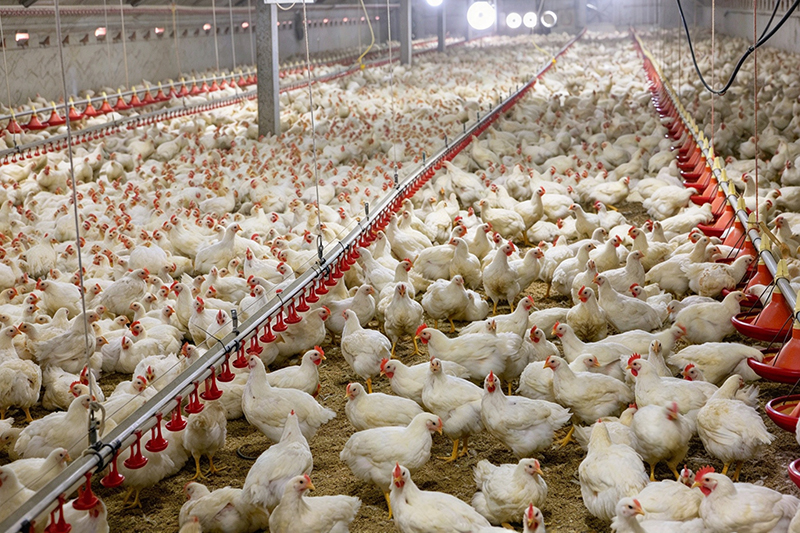
An integrated floor housing solution combines the main equipment required for floor-raised poultry with supporting hygiene and biosecurity measures. Depending on the farm design, this may include feeding systems, drinking lines, ventilation equipment, lighting, heating or cooling systems, manure-handling equipment, disinfection equipment, and controlled entry facilities.
Combining these components during the planning stage can improve system compatibility. For example, ventilation design should consider stocking density and house layout, while equipment placement should allow practical cleaning and maintenance. Biosecurity equipment should also be positioned according to the movement of workers, vehicles, equipment, and poultry.
A packaged solution can provide an additional project-management advantage. Instead of coordinating multiple equipment specifications separately, farm owners can review the system as a whole and ensure that major components are designed to work together.
However, “one package” does not mean that every farm should use the same configuration. Farm capacity, climate, production type, building structure, labor availability, local regulations, and biosecurity procedures should all be considered before equipment is selected.
For commercial poultry projects, an integrated approach can therefore help reduce coordination problems and create a more organized equipment plan. The objective is not simply to sell more equipment, but to connect housing, environmental control, daily operations, and biosecurity into a practical farm-management system.
Share this:
Other Posts
-
Precision Feeding Mechanism Using Sensors to Monitor Pan Feed Levels
Precision feeding relies on real‑time monitoring of feed remaining in pans. Load cells or infrared sensors placed under each pan continuously measure feed weight or fill height. When the measured level drops below a preset threshold, the controller activates the auger or chain feeder to deliver a small, measured amount of feed. This closed‑loop mechanism…
-
How to Improve Broiler Feed Conversion Ratio: The Synergy of Precision Feeding and Smart Environmental Control
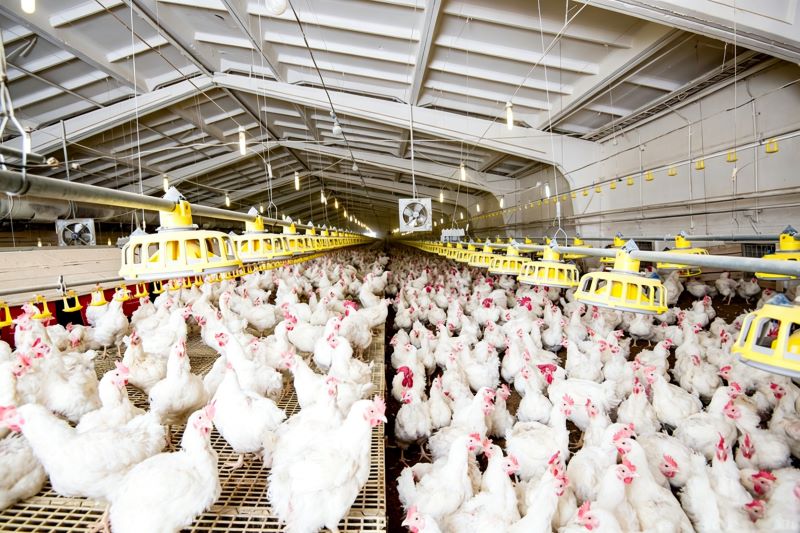
Feed conversion ratio (FCR) is the most critical metric in broiler production—feed accounts for 60–70% of total costs. Improving FCR by just 0.1 can save over 6 tons of feed per 10,000 birds annually. This article examines how precision feeding and smart environmental control work together to achieve this gain. Precision Feeding: Right Amount, Right…
-
Feed Freshness and Gut Health in Broiler Chickens: Storage Risks and Management Practices
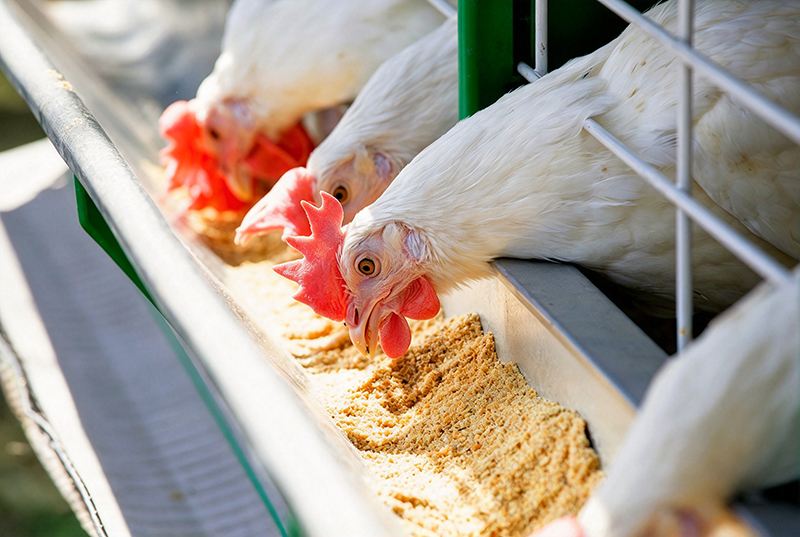
Feed quality plays an important role in broiler health and production performance. Poor storage conditions can encourage mold growth, nutrient deterioration, and mycotoxin formation. These problems may affect intestinal function and bird performance. Maintaining feed freshness is therefore an important part of poultry farm management, although intestinal disease can also result from pathogens, water quality,…
-
From Experience to AI: The Evolution of Environmental Control in Floor-Rearing Houses
Traditional poultry farming relied heavily on grower experience and manual judgment. Today, AI-driven environmental control systems are transforming this approach . Recent research demonstrates significant breakthroughs. Scientists have developed predictive models like EMD-LSTM-Attention that forecast house temperature with a mean absolute percentage error as low as 0.76%, enabling proactive rather than reactive climate management .…
Product Categories
Subscribe To Product News
Leave your email address and receive our latest product updates