Your cart is currently empty!
+86 15863276370

For floor-raised broilers and breeder poultry, automation can reduce repetitive work and support more consistent daily management. Three important technologies are automatic feeding, intelligent climate control, and automatic manure removal.
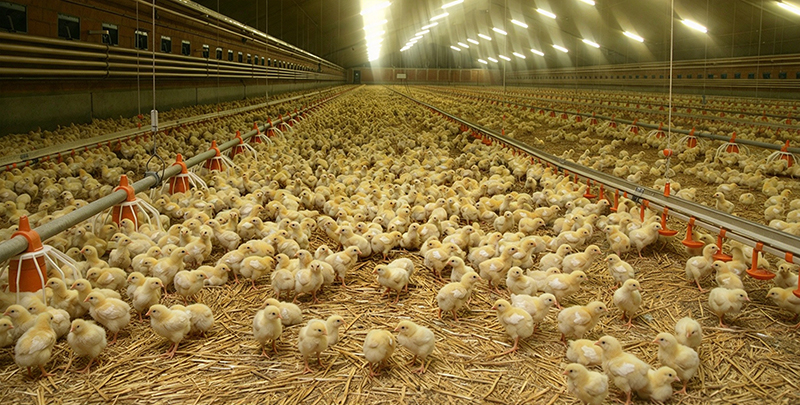
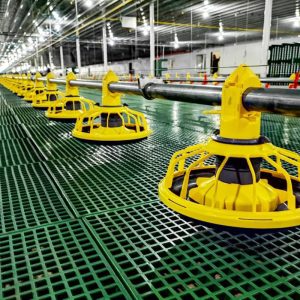
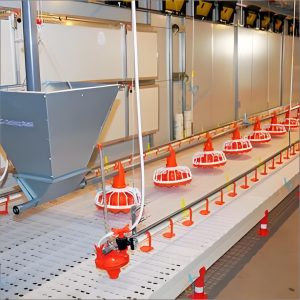
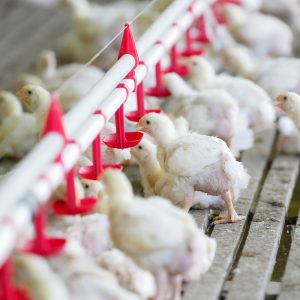
1. Automatic Feeding Systems
Feed lines transport and distribute feed throughout the house, reducing manual handling and helping maintain a more consistent supply. Investment costs depend on house dimensions, bird capacity, line length, feed storage, and control configuration. Routine inspection and maintenance remain necessary.
2. Intelligent Climate Control
Environmental controllers coordinate fans, air inlets, cooling pads, and other compatible equipment according to sensor readings and preset parameters. These systems help staff respond to changing temperature and humidity conditions. Total costs depend on the number of sensors, controller functions, ventilation capacity, and the level of automation required.
3. Automatic Manure Removal
Depending on the floor-housing design, manure belts or other collection equipment can simplify manure handling and reduce manual cleaning tasks. The suitable configuration depends on the flooring structure, manure characteristics, collection frequency, and downstream storage or treatment arrangements.
There is no universal adoption rate or fixed price for these technologies across all regions. Equipment costs vary with local material prices, shipping, installation scope, energy costs, and technical requirements. Farms with different budgets may also adopt automation in stages, starting with the operations that consume the most labor or require closer control.
To evaluate investment value, compare the initial equipment cost with ongoing expenses, including electricity, maintenance, replacement parts, and labor. Actual operating records are more reliable than assuming a fixed percentage of savings.
For poultry equipment buyers, an integrated plan can improve compatibility between feeding, climate control, and manure handling. The best solution is the one that fits the farm’s housing design, production goals, local climate, and long-term operating budget.
Share this:
Other Posts
-
Equipment Depreciation and Technology Iteration: A Lifecycle Cost Analysis Model for Automated Floor Rearing Systems
Automated floor rearing systems require a lifecycle cost perspective beyond initial purchase price. Depreciation—spreading equipment cost over its usable life—and technology iteration—rapid upgrades in sensors, controls, and software—shape total ownership expense. A robust analysis model includes five phases: acquisition, installation, operation, maintenance, and residual value. Shorter technology cycles (e.g., every 3–5 years) accelerate depreciation but…
-
Feed Price Sensitivity Analysis: How Market Changes Affect the ROI of Poultry Feeding Systems
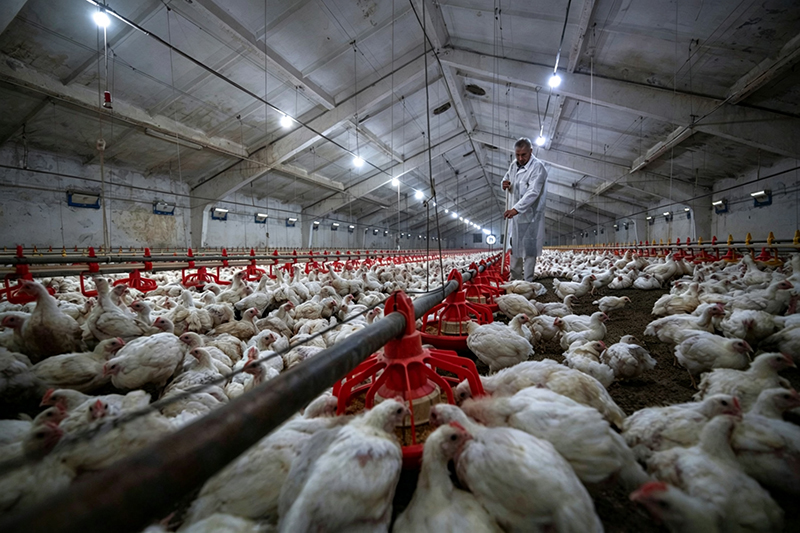
Feed is one of the largest operating expenses in poultry production, so changes in feed prices can significantly influence the economic value of feeding equipment. Sensitivity analysis provides a practical way to evaluate how different feed-price scenarios may affect potential savings and investment returns.
-
From Backyard to Commercial Broiler Farming in Southeast Asia: Key Equipment Needs for Floor-Raised Systems
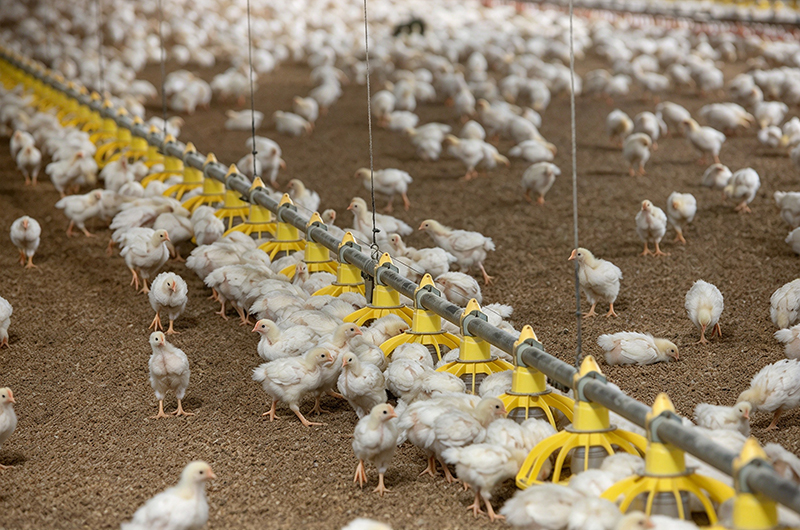
As broiler production becomes more commercialized in parts of Southeast Asia, poultry farmers increasingly need equipment that supports consistent feeding, reliable ventilation, and efficient daily management. However, investment priorities vary with farm size, local climate, labor availability, and technical capacity.
-
Synergistic Design of Floor-Level Inlets and Ridge Outlets: An Airflow Optimization Scheme Combining Natural and Mechanical Ventilation
Effective ventilation is critical for poultry house air quality. This scheme integrates floor-level inlets with ridge outlets, blending natural and mechanical forces. Floor-level inlets, placed along side walls near the litter, allow fresh air to enter at bird level. Ridge outlets, installed at the roof peak, enable warm, stale air to rise naturally. During mild…
Product Categories
Subscribe To Product News
Leave your email address and receive our latest product updates