Your cart is currently empty!
+86 15863276370

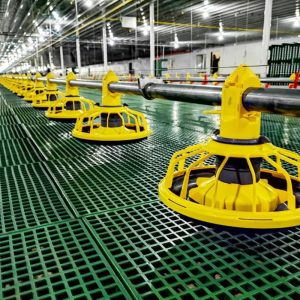
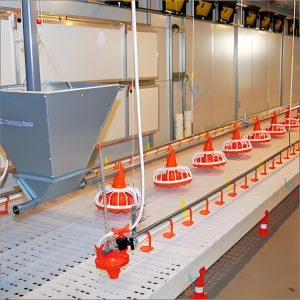
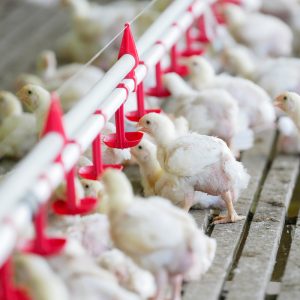
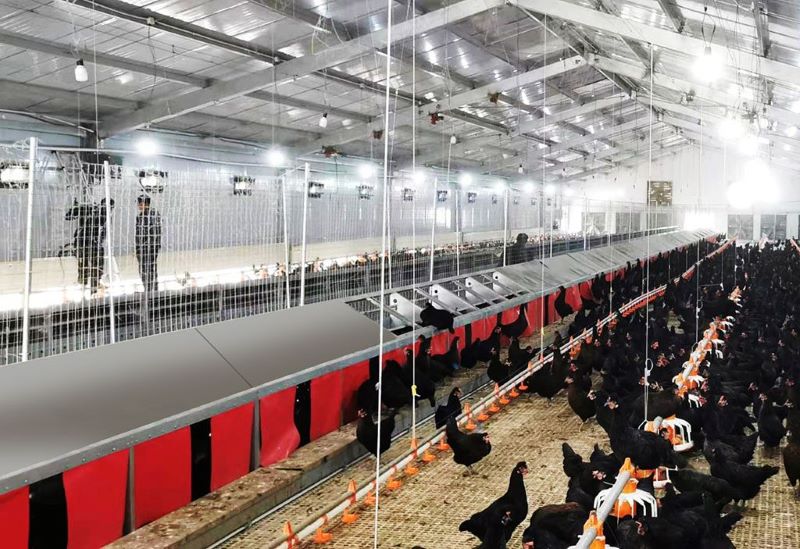
With the deep application of technologies such as the Internet of Things and artificial intelligence, the poultry farming equipment industry is undergoing an unprecedented intelligent transformation. According to the latest market data, China’s poultry farming equipment market size is expected to exceed 20 billion yuan in 2025, with a compound annual growth rate of 12.26%. Innovative products such as intelligent environmental control systems, precision feeding equipment, and robot inspection systems have become new market favorites, with the automation equipment application rate of large-scale breeding enterprises exceeding 85%。
Leading enterprises are promoting the transformation from traditional farming to digital and intelligent farming through the TMF collaborative innovation system of “technology empowerment + management efficiency + financial support”. At the policy level, the Ministry of Agriculture and Rural Affairs issued the “Guidelines for the Construction of Smart Agriculture Standard System”, providing standard support for the intelligent development of poultry farming equipment. Experts predict that the industry will show a “two-end differentiation” pattern in the next five years, with leading enterprises improving customer stickiness through technology bundled services, while small and medium-sized manufacturers turn to regional customized solutions.
2
3
Share this:
Other Posts
-
Synergistic Design of Floor-Level Inlets and Ridge Outlets: An Airflow Optimization Scheme Combining Natural and Mechanical Ventilation
Effective ventilation is critical for poultry house air quality. This scheme integrates floor-level inlets with ridge outlets, blending natural and mechanical forces. Floor-level inlets, placed along side walls near the litter, allow fresh air to enter at bird level. Ridge outlets, installed at the roof peak, enable warm, stale air to rise naturally. During mild…
-
Variable-Frequency Fans and Multi-Stage Cooling Linkage Control: Response Mechanism of Smart Environmental Control Systems to Extreme Heat
Extreme heat events threaten poultry health and productivity. Smart environmental control systems employ variable-frequency fans (VFFs) and multi-stage cooling linkage to respond effectively. VFFs automatically adjust speed based on real-time temperature, providing low airflow during mild heat and maximum speed during heatwaves. This saves energy while maintaining bird comfort. Multi-stage cooling activates sequentially: first, tunnel…
-
Poultry Farm Automation Trends: Why More Commercial Farms Are Adopting Automated Farming Systems
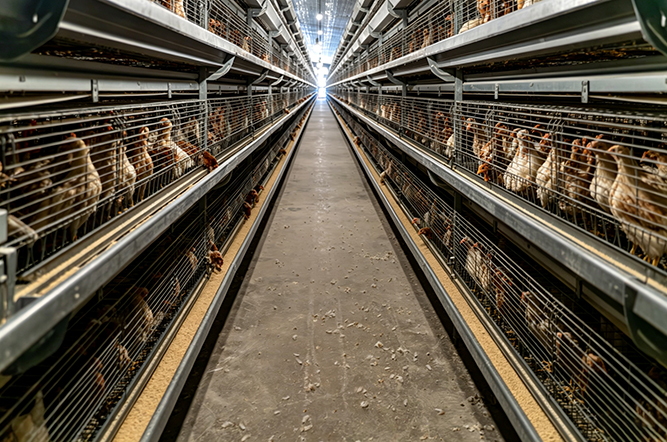
Poultry farm automation is becoming increasingly relevant as commercial farms seek greater efficiency, consistency, and better resource management. Automated feeding, drinking, ventilation, manure removal, and climate-control systems can reduce repetitive manual work and support more standardized daily operations. However, automation decisions should be based on farm scale, housing design, climate, production objectives, energy use, and…
-
Reducing Floor Egg Rate in Poultry Farming: Nest Box Selection and Management Strategy for Performance Optimization
Floor egg rate is an important performance indicator in layer poultry production, directly affecting egg collection efficiency, hygiene control, and overall farm profitability. In commercial operations, reducing floor eggs from 8% to 2% requires both proper nest box selection and systematic management strategies. Nest box design is the first critical factor. Appropriate size, entrance height,…
Product Categories
Subscribe To Product News
Leave your email address and receive our latest product updates