Your cart is currently empty!
+86 15863276370

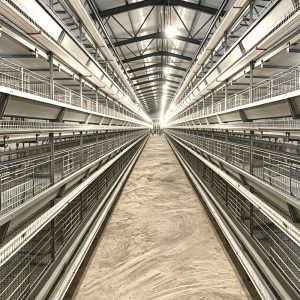
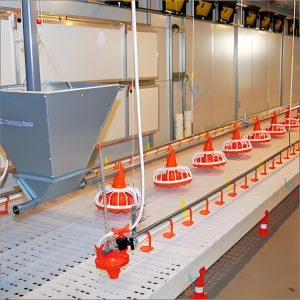
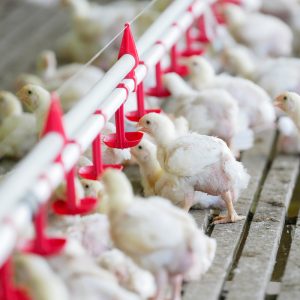
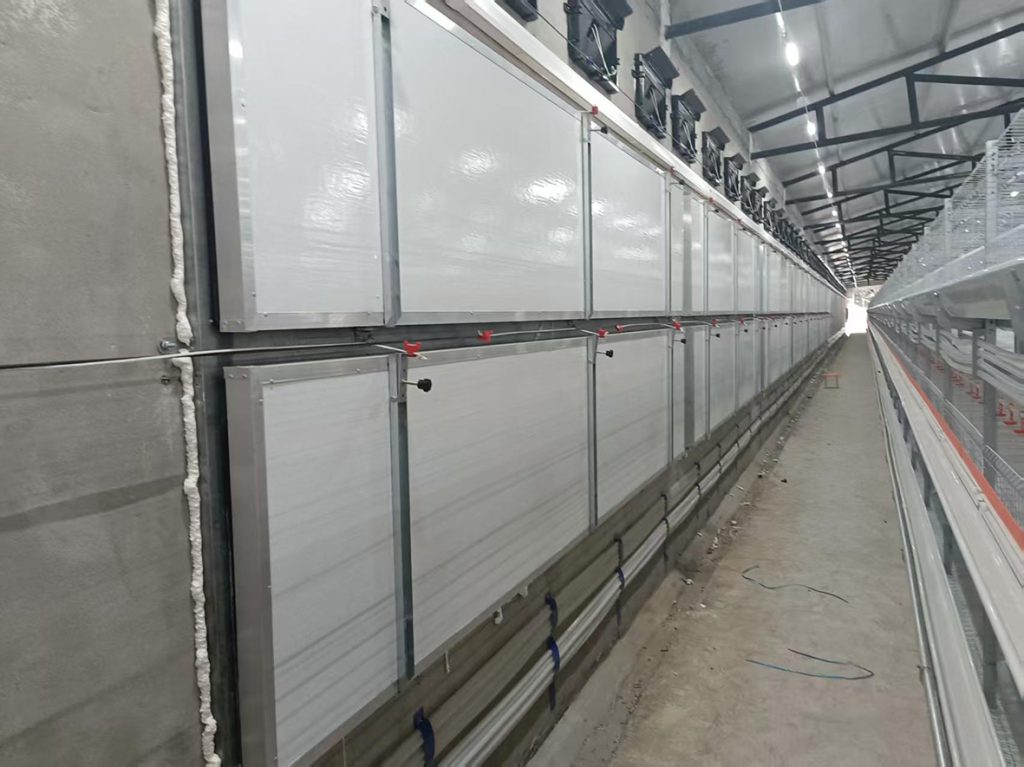
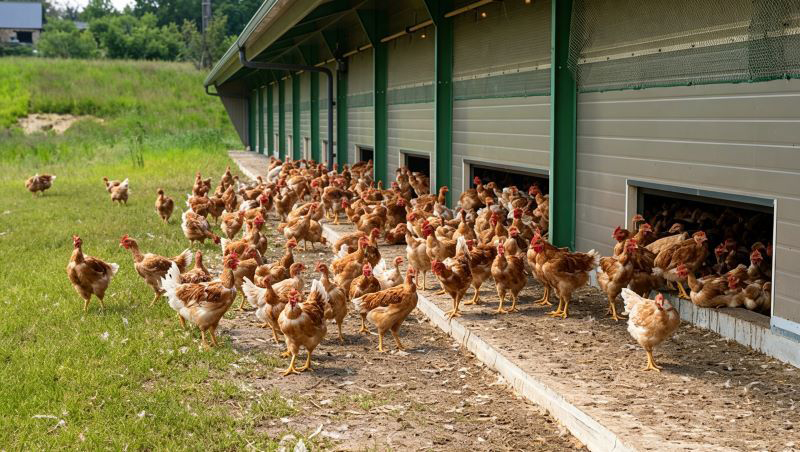
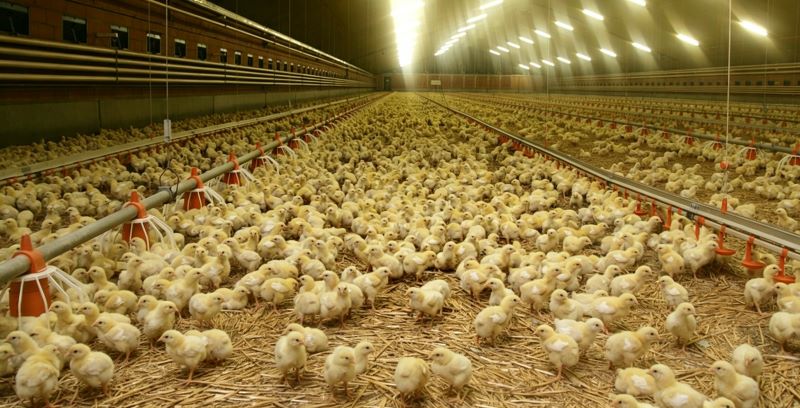
The outlook for large-scale smart poultry farming is exceptionally promising globally, driven by the need to feed a growing population sustainably. These technologically advanced farms represent a significant evolution from traditional methods, integrating automation, data analytics, and the Internet of Things (IoT).
Key development advantages are substantial. Firstly, precision farming using sensors and AI monitors bird health, feed intake, and environment in real-time, optimizing growth and reducing mortality. Secondly, automated systems for feeding, watering, and egg collection drastically cut labor costs and human error. Thirdly, climate control and waste management technologies minimize the farm’s ecological footprint by efficiently managing ammonia and converting waste into resources like biogas or fertilizer.
Furthermore, enhanced biosecurity, enabled by automated monitoring and limited human entry, drastically reduces disease outbreaks. Data-driven insights allow for predictive management, improving flock uniformity and product quality. Ultimately, smart poultry farms offer a pathway to higher production efficiency, improved animal welfare, and greater environmental sustainability, positioning them as a cornerstone of future global food security.
Share this:
Other Posts
-
Managing Ammonia Emissions in Poultry Farms During El Niño: Practical Strategies for Waste and Odor Control
El Niño-related climate variability may create warmer or more humid conditions in some poultry-producing regions, increasing challenges in manure and ammonia management. This article examines practical approaches including automated manure removal, ventilation management, moisture control, and odor-treatment options. The effectiveness of each measure depends on local climate, poultry house design, manure characteristics, and operating practices.…
-
Predictive Climate Control in Poultry Farming: Using Weather Forecast Data to Reduce Heat Stress Risks
Heat stress management is one of the most important challenges in modern poultry production, especially in regions experiencing frequent extreme temperature events. Traditional environmental control systems mainly respond after temperature changes occur, while predictive climate control combines weather forecast data with automated equipment management to improve farm preparedness. A predictive control model uses external weather…
-
From Design to Implementation: A Practical Guide to Biosecurity Layout for Floor Rearing Farms
Effective biosecurity starts with a clear layout. Separate clean and dirty zones clearly. The entry point should include a changing room, footbath, and hand sanitizer. Place sealed fences around the farm to prevent wild birds and rodents from entering. Design a one-way flow: workers move from office to changing room to house, never backward. Vehicles…
-
Nipple Drinker vs. Traditional Trough: Which Suits Your Poultry Farm Better?
Watering system choice impacts bird health, water consumption, and labor. Nipple drinkers provide fresh, clean water on demand, reducing spillage and litter moisture. This lowers ammonia emission and footpad dermatitis incidence. Nipples also prevent fecal contamination, improving biosecurity. However, initial cost is higher, and birds need training to use them. Traditional troughs are cheaper and…
Product Categories
Subscribe To Product News
Leave your email address and receive our latest product updates