Your cart is currently empty!
+86 15863276370

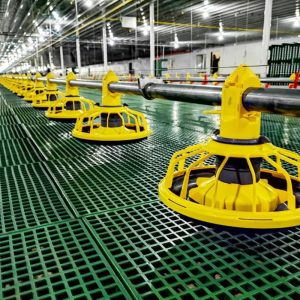
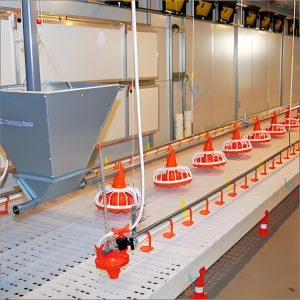
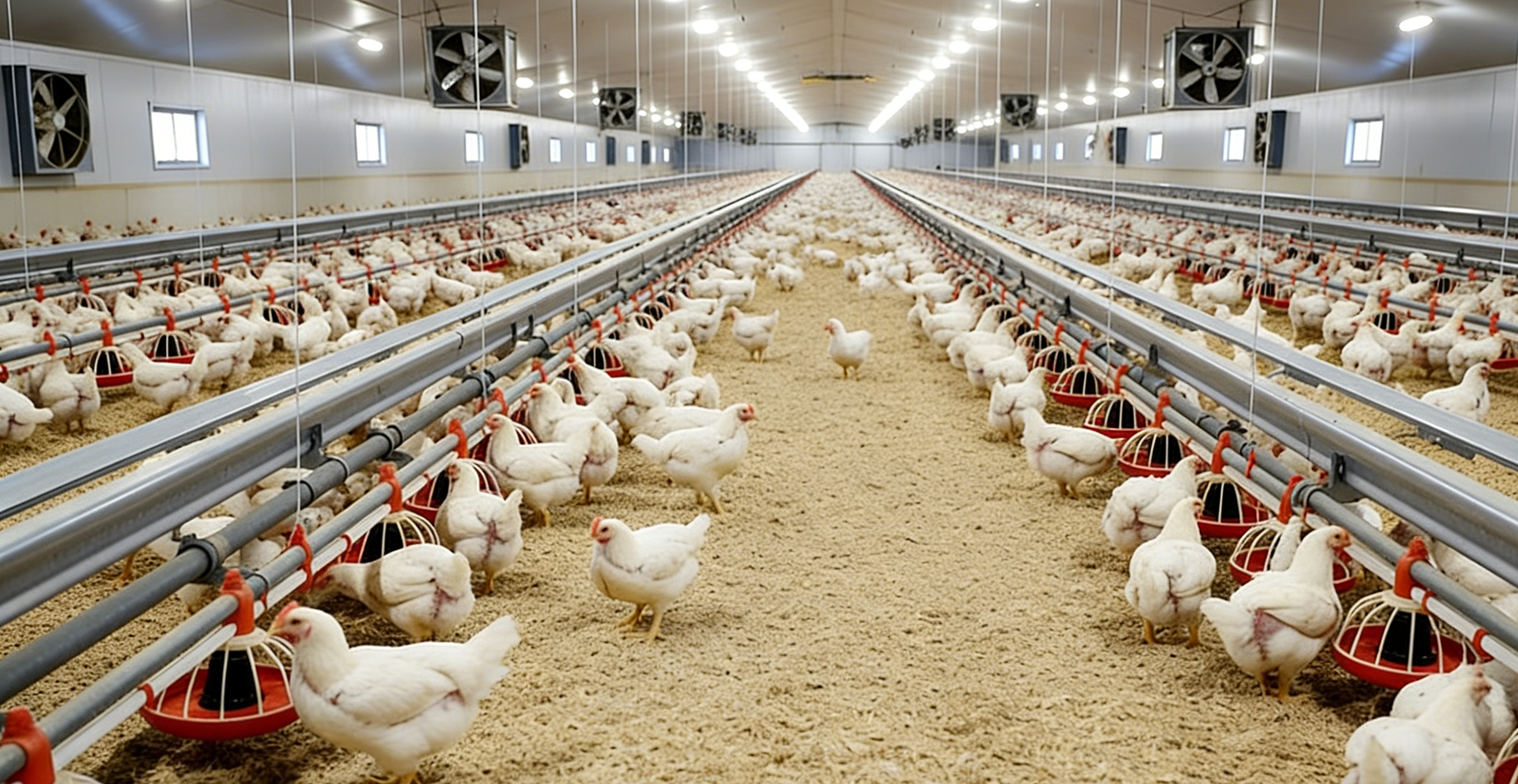
Manual feeding in broiler houses often leads to uneven feed distribution and significant waste—up to 10% of total feed. Automated feeding systems solve this with precision. Using sensors and timers, they deliver exact portions based on bird age and weight, ensuring consistent intake across the flock.
This accuracy reduces feed waste by 5–10%, directly cutting the largest cost in broiler production. For a 10,000-bird house, with an average market weight of 2.5 kg per bird, annual feed savings can reach $2,000–$3,000.
Additionally, precision feeding improves feed conversion ratio (FCR) by 0.05–0.1. Better FCR means more growth with less feed. Combined with reduced labor needs, automated feeders typically pay for themselves within 12–18 months—making them a smart investment for any commercial broiler operation.
Share this:
Other Posts
-
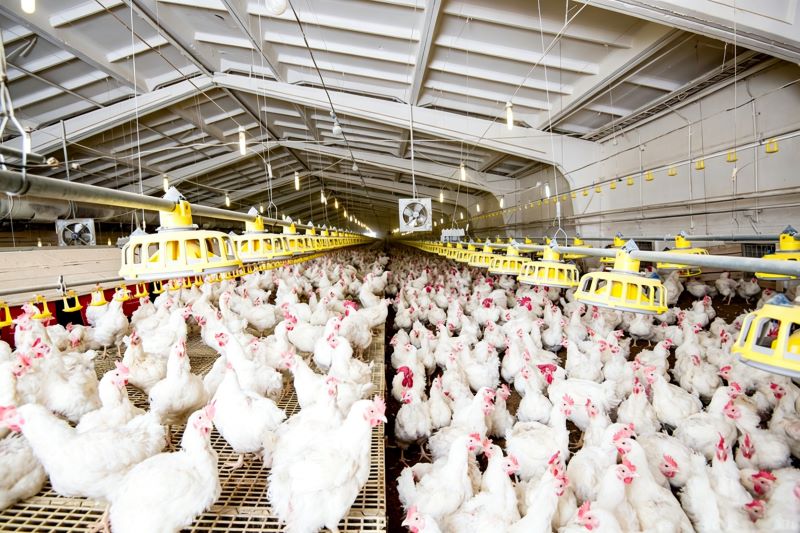
How to Improve Broiler Feed Conversion Ratio: The Synergy of Precision Feeding and Smart Environmental Control
Feed conversion ratio (FCR) is the most critical metric in broiler production—feed accounts for 60–70% of total costs. Improving FCR by just 0.1 can save over 6 tons of feed per 10,000 birds annually. This article examines how precision feeding and smart environmental control work together to achieve this gain. Precision Feeding: Right Amount, Right…
-
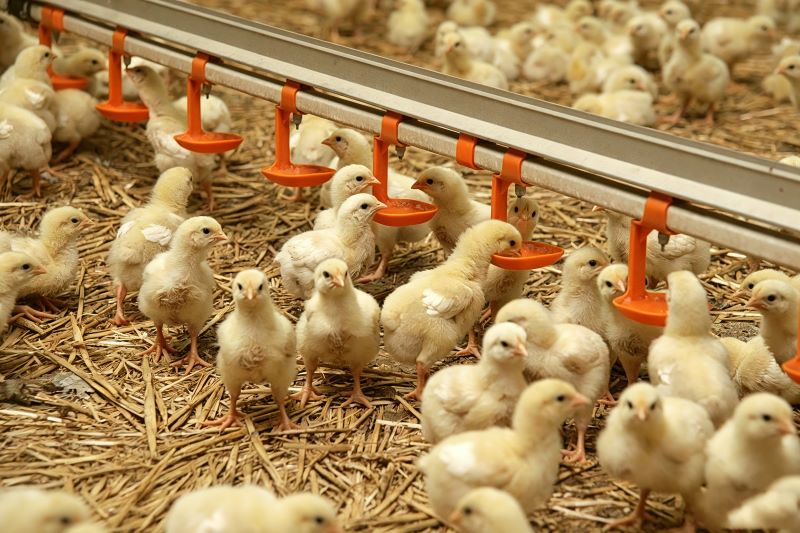
Broiler Drinking Water Management in Summer: Density, Temperature, and Electrolytes for Heat Stress Relief
Water is the most critical nutrient for broilers during hot weather. When temperatures rise, birds can double their water intake. Yet many farms overlook three key factors: drinker density, water temperature, and electrolyte supplementation. Here’s what the data shows. Drinker Density: Enough Points Matter Inadequate drinker access is a primary bottleneck during heat stress. Industry…
-
Why Do Nipple Drinkers Leak? (With Troubleshooting Flowchart)
Leaking nipple drinkers waste water, wet litter, and increase disease risk. Understanding common failure causes helps farm managers quickly fix issues. Primary leak sources include: worn silicone seals (normal wear after 12–18 months), debris trapped in the valve (from poor water filtration), incorrect water pressure (above 0.2–0.3 bar), damaged nipple body (cracks from freezing or…
-
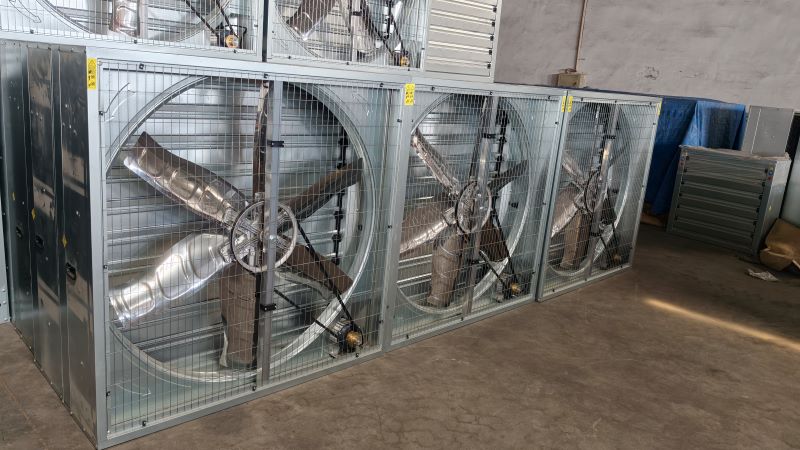
How Variable-Speed Poultry Fans Reduce Energy Use Without Compromising Cooling Performance
Variable-speed poultry fans can help farms balance cooling performance and electricity consumption by adjusting airflow according to environmental conditions. Instead of operating continuously at full speed, fans can run at lower speeds during moderate conditions and increase capacity when temperatures rise. When integrated with temperature sensors, evaporative cooling pads, and climate-control systems, variable-speed ventilation can…
Product Categories
Subscribe To Product News
Leave your email address and receive our latest product updates