Your cart is currently empty!
+86 15863276370

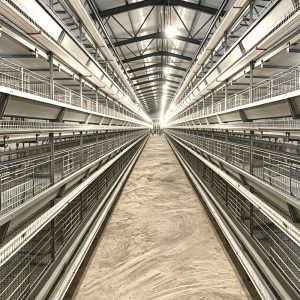
Automation is becoming an increasingly important part of modern poultry production. As farms grow in scale and labor availability becomes more challenging, automated feeding, drinking, ventilation, manure removal, and environmental control systems are being considered as ways to improve operational efficiency.
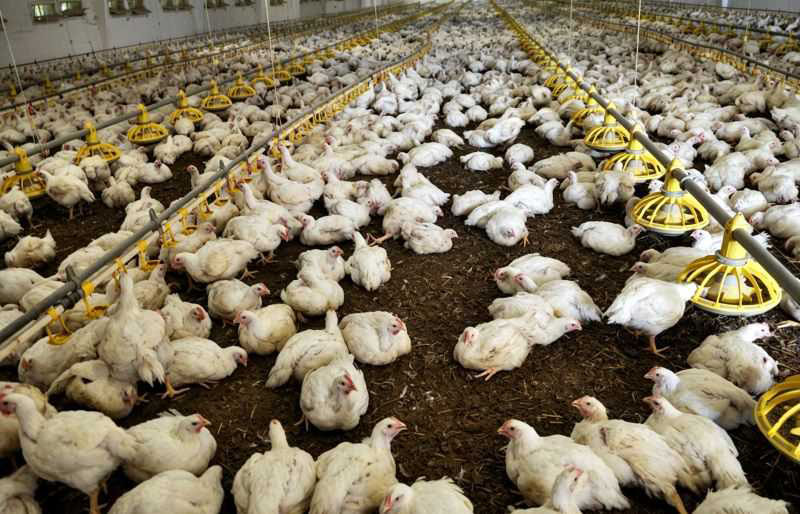
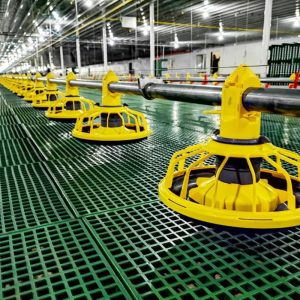
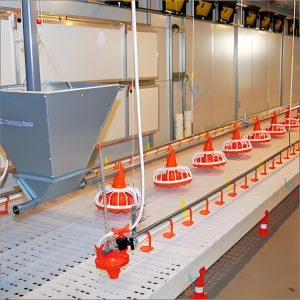
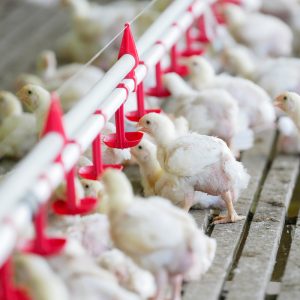
One major advantage of automation is reducing repetitive manual tasks. Automated feeding systems can deliver feed at scheduled intervals, while automatic drinking systems provide a more consistent water supply. Ventilation and climate-control equipment can also respond to environmental conditions, helping farmers manage temperature, humidity, and airflow more efficiently.
Automation can also improve operational consistency. Manual processes may vary between workers and working periods, whereas properly configured equipment can perform routine operations according to predefined settings. This can make daily management more predictable and easier to monitor.
However, automation should not be viewed simply as a way to replace workers. Equipment selection should consider farm size, housing design, climate, production goals, energy consumption, maintenance requirements, and available technical support.
For farms considering an upgrade, a gradual approach can be practical. Feeding, ventilation, drinking, and manure management can be automated according to operational priorities and investment capacity.
The growing interest in poultry automation reflects a broader shift toward more efficient and data-driven farm management. Rather than asking whether automation is necessary, farm operators can evaluate which processes offer the greatest potential for efficiency improvement and begin with the systems that best match their actual needs.
Share this:
Other Posts
-
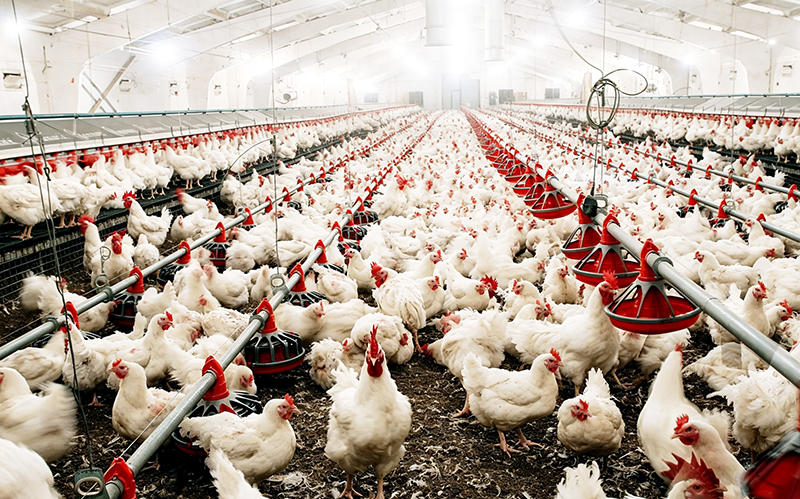
Flock Uniformity and Group Management in Poultry Farms: Improving Heat Distribution and Environmental Control
Flock uniformity is an important factor in poultry house management. Significant differences in body weight can create uneven feeding requirements and differences in individual heat production. Grouping birds by size or production stage can help farmers manage these variations and improve environmental control, although the actual effect depends on flock density, climate, ventilation, and management…
-
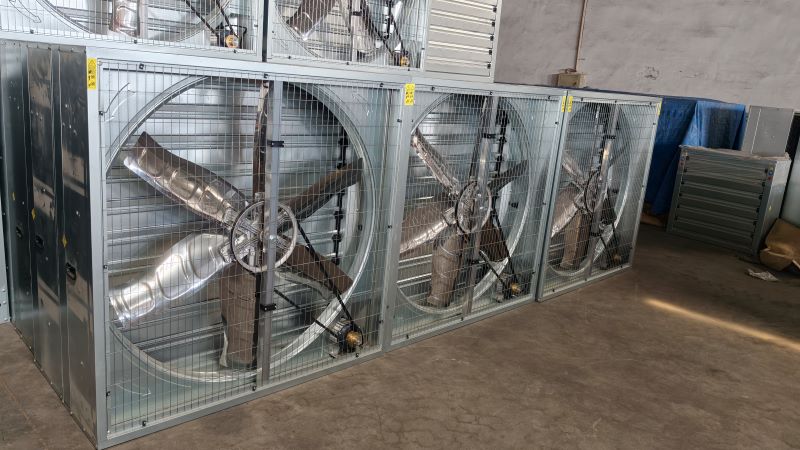
How Variable-Speed Poultry Fans Reduce Energy Use Without Compromising Cooling Performance
Variable-speed poultry fans can help farms balance cooling performance and electricity consumption by adjusting airflow according to environmental conditions. Instead of operating continuously at full speed, fans can run at lower speeds during moderate conditions and increase capacity when temperatures rise. When integrated with temperature sensors, evaporative cooling pads, and climate-control systems, variable-speed ventilation can…
-
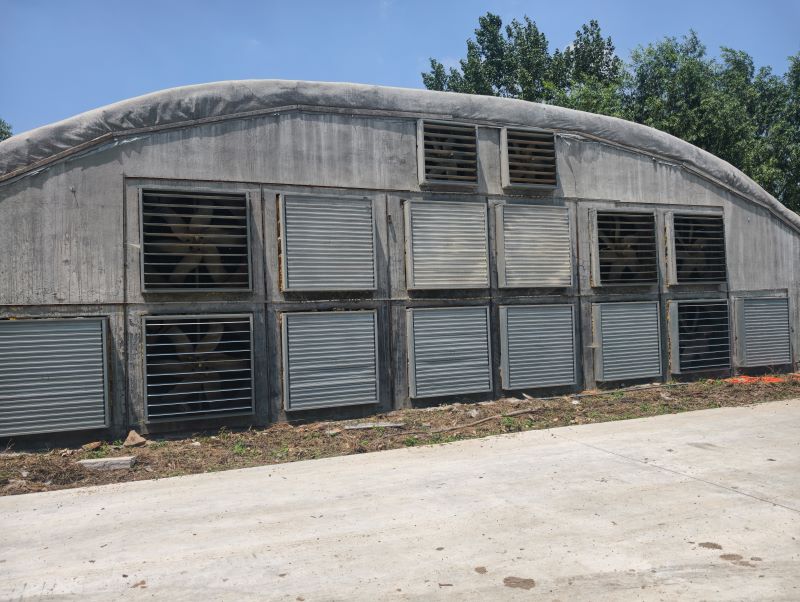
Poultry Fan Noise Suddenly Increases? 3-Step Troubleshooting Guide
A sudden increase in poultry fan noise can indicate problems with blades, bearings, motors, or mounting components. This article provides a three-step inspection method covering fan blades, moving components, and installation structures. Regular cleaning and maintenance can help identify abnormal vibration and mechanical problems early. Safe power isolation is essential before inspection, while electrical and…
-
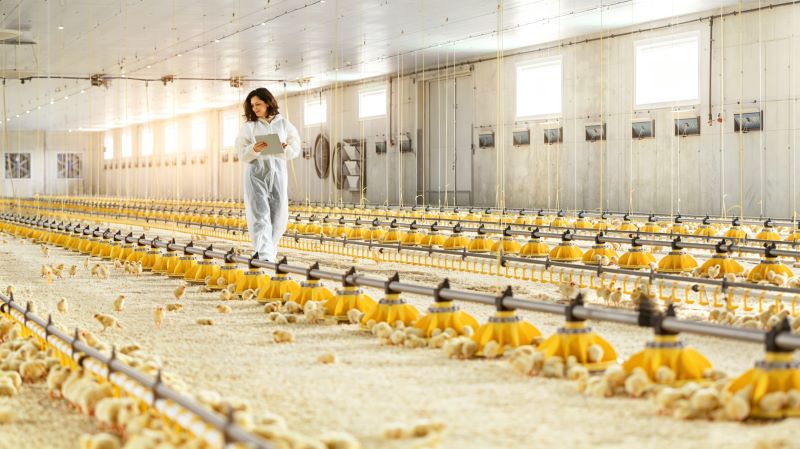
From Labor Shortage to Smart Farming: How Automated Feeding Systems Enable Long-Term Efficiency and Strategic Transformation in Poultry Production
Labor shortages are increasingly influencing poultry production systems worldwide. This article explores how automated feeding systems can reduce reliance on unstable labor while improving feeding consistency, production efficiency, and management standardization. It highlights the transition from labor-intensive to low-labor farming models and emphasizes automation as a long-term strategic investment rather than a short-term cost-saving measure.…
Product Categories
Subscribe To Product News
Leave your email address and receive our latest product updates