Your cart is currently empty!
+86 15863276370

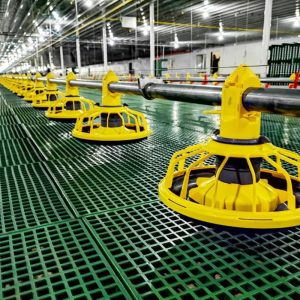
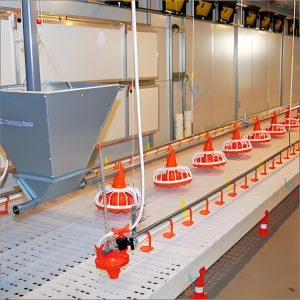
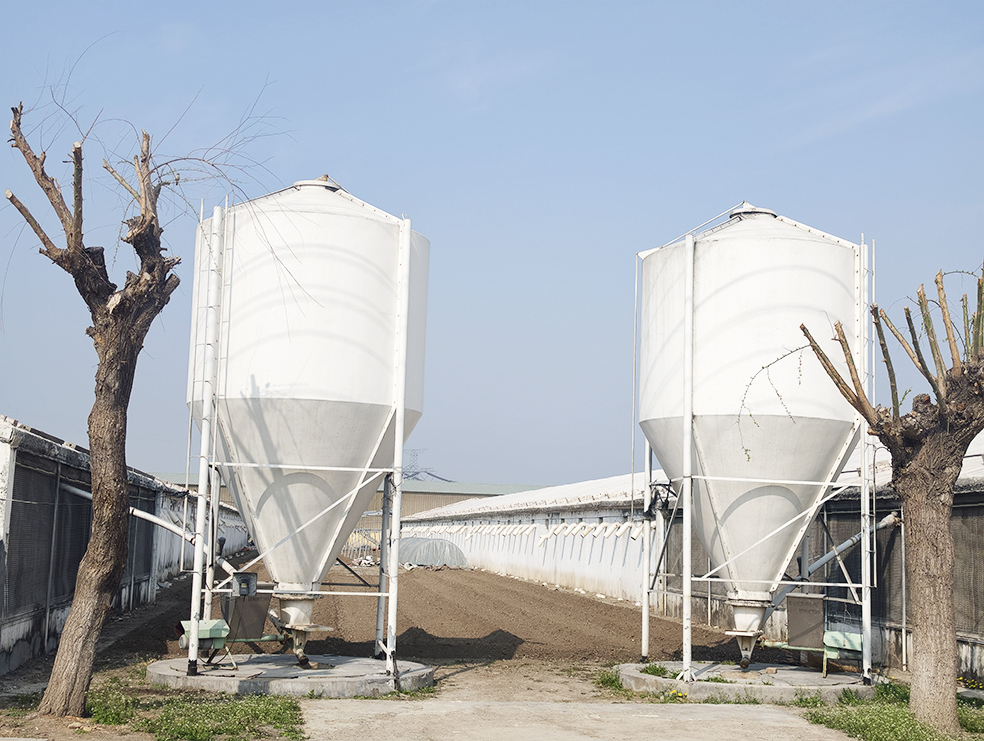
Manual feeding often exposes feed to moisture, leading to mold growth and mycotoxins that damage gut health. Automated feeding systems paired with sealed silos keep feed dry and fresh from storage to delivery.
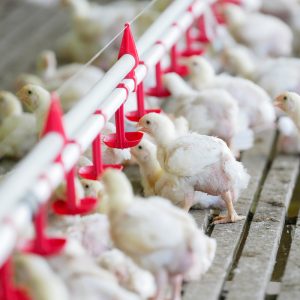
This reduces the risk of intestinal diseases like necrotic enteritis, lowering mortality and veterinary expenses. For a 10,000-bird house, annual savings on medication can reach hundreds to thousands of dollars.
Healthier birds also achieve better growth uniformity and feed conversion. By addressing the root cause of feed-related illnesses, automated systems deliver both health benefits and measurable cost savings.

Share this:
Other Posts
-
Annual Feed Savings Estimation for a 10,000-Bird Broiler Farm Using Precision Feeding
Precision feeding delivers exact feed amounts based on real-time bird weight and intake patterns, minimizing waste. For a 10,000-bird flock with a 40-day cycle and average feed conversion ratio (FCR) of 1.6, total feed consumption reaches roughly 16,000 kg per cycle. Manual feeding typically wastes 5–10% of feed due to spillage, spoilage, and uneven distribution.…
-
Automatic Feeding System: The “Nutrition Steward” for Broiler Farming
In large-scale broiler farming, scientific feeding is core to determining growth rate and feed conversion. Our independently developed automatic feeding system is designed for precise nutritional management. The system consists of a feed bin, conveying pipes, a drive motor, feed pans, and an intelligent controller, achieving fully automated feeding. Its advantages are significant: We provide…
-
Heat Stress Management in Tropical and Subtropical Poultry Farms: Cooling Strategies, Feeding Adjustment, and Stocking Density Optimization
Heat stress is a major challenge for poultry production in tropical and subtropical regions, especially during periods of abnormal temperature increases. This article analyzes the effects of heat stress on broiler feed intake, growth performance, and farm management efficiency. It discusses practical strategies including evaporative cooling systems, ventilation improvement, stocking density adjustment, and feeding schedule…
-
Rainwater Harvesting and Water Recycling Systems: Evaluating a Sustainable Solution to Alleviate Water Stress in Hot Seasons
Water scarcity during hot seasons challenges poultry farms, especially for cooling pads and drinking lines. Rainwater harvesting captures runoff from roofs, stores it in tanks, and treats it for non-potable uses. When combined with recycling systems that filter and reuse water from cooling pads, overall freshwater demand drops significantly. A field study on a 50,000-bird…
Product Categories
Subscribe To Product News
Leave your email address and receive our latest product updates