Your cart is currently empty!
+86 15863276370

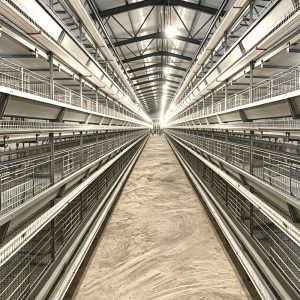
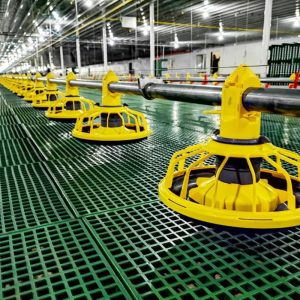
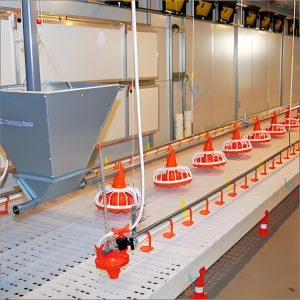
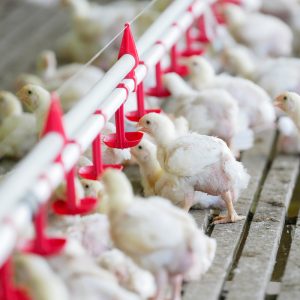
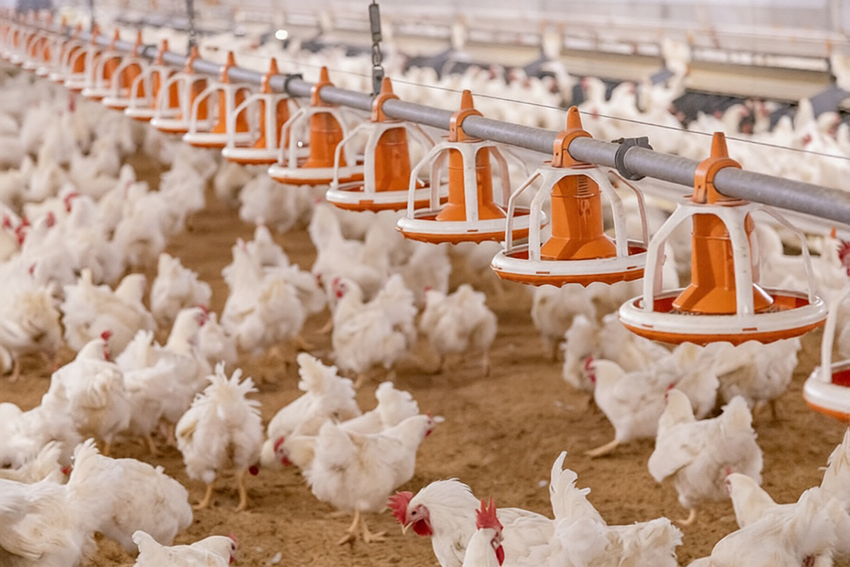
Traditional feeding often creates a dilemma: underfeeding some birds while overfeeding others. Automated feeding systems solve this through sensor and timer integration.
Sensors monitor feed levels in pans and detect bird activity patterns. When combined with timers programmed for specific feeding schedules, the system delivers precise portions at optimal times. This ensures feed is always available when birds are hungry—without accumulating stale leftovers.
The mechanism works in two ways. First, it matches feed delivery to actual consumption patterns, reducing spillage and waste. Second, it maintains feed freshness by avoiding prolonged exposure to air and moisture, which encourages intake and minimizes spoilage.
By delivering the right amount at the right time, sensor-timer systems eliminate the guesswork of manual feeding. The result is measurable waste reduction and improved feed conversion—turning precision into profit.
Share this:
Other Posts
-
How Moldy Feed Drives Gut Disease in Broilers – and Your Vet Bills
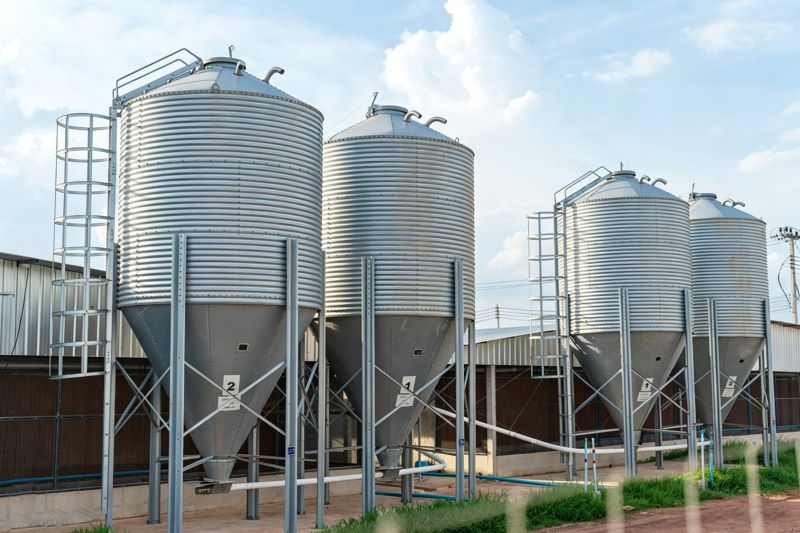
As a poultry equipment manufacturer serving farms across multiple regions, we see a recurring pattern: farms with frequent gut disease outbreaks often have one thing in common—poor feed storage conditions. Feed Mold Is More Common Than You Think Mycotoxins—toxic compounds produced by mold fungi—are widespread in poultry feed. Global surveys show 24% to 66% of…
-
Global Broiler Equipment Market to Reach $6.87 Billion by 2035
The global broiler farming equipment market is expanding steadily. Valued at $4.18 billion in 2025, it is projected to grow to $6.87 billion by 2035, driven by rising poultry consumption and farm automation. Key growth factors include labor shortages in developed regions, stricter animal welfare regulations favoring floor rearing systems, and climate‑resilient technologies such as…
-
Heat Stress Management in Tropical and Subtropical Poultry Farms: Cooling Strategies, Feeding Adjustment, and Stocking Density Optimization
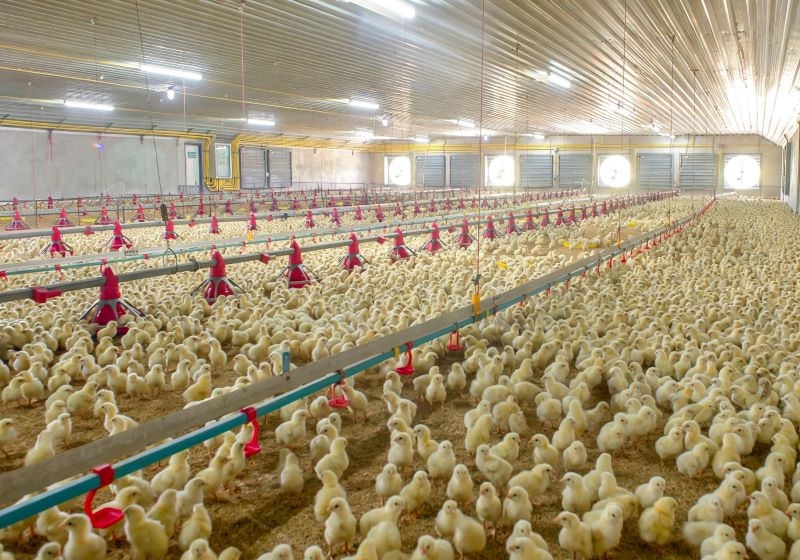
Heat stress is a major challenge for poultry production in tropical and subtropical regions, especially during periods of abnormal temperature increases. This article analyzes the effects of heat stress on broiler feed intake, growth performance, and farm management efficiency. It discusses practical strategies including evaporative cooling systems, ventilation improvement, stocking density adjustment, and feeding schedule…
-
Prevent Mold, Protect Health: How Automated Feeding Reduces Gut Disease and Veterinary Costs
Manual feeding often exposes feed to moisture, leading to mold growth and mycotoxins that damage gut health. Automated feeding systems paired with sealed silos keep feed dry and fresh from storage to delivery. This reduces the risk of intestinal diseases like necrotic enteritis, lowering mortality and veterinary expenses. For a 10,000-bird house, annual savings on…
Product Categories
Subscribe To Product News
Leave your email address and receive our latest product updates