Your cart is currently empty!
+86 15863276370

Based on 2025-2026 international industry data, the choice between semi-automatic and fully automatic upgrades hinges on production scale and capital strategy.
Semi-automatic lines offer a lower entry barrier, with initial investments typically 35-60% lower than fully automatic counterparts. For instance, in sectors like block making, semi-automatic machines cost $25,000-$50,000 versus $80,000-$150,000 for full automation. While requiring more operators (3-5 vs. 1-2), they provide flexibility ideal for R&D or small-batch production. The payback period generally ranges from 2 to 3 years.
Conversely, fully automatic systems excel in high-volume stability. They can triple hourly output (e.g., 2,400 units vs. 800) and reduce labor costs significantly. Although the upfront CAPEX is high, large-scale producers often achieve ROI within 18-24 months due to superior energy efficiency and reduced material waste.
Decision Reference: Select semi-automatic paths for flexibility and budget constraints; opt for full automation only when daily output exceeds critical thresholds (e.g., >8,000 units) to ensure a payback period under 2 years.
Share this:
Other Posts
-
Is Automation Upgrade Worth It? An ROI Analysis Model and Calculation Case for a 10,000-Bird Broiler Farm
This study builds an ROI model to evaluate automation upgrades for a 10,000-bird floor rearing farm. The model compares total investment (equipment + installation) against annual savings from labor, feed, medication, and mortality reduction. Key inputs: automated feeding system cost – 12,000;manuallaborcost–12,000;manuallaborcost–15/hour; feed waste reduction – 7%; mortality decrease – 2%; medication saving – 20%. Calculation:…
-
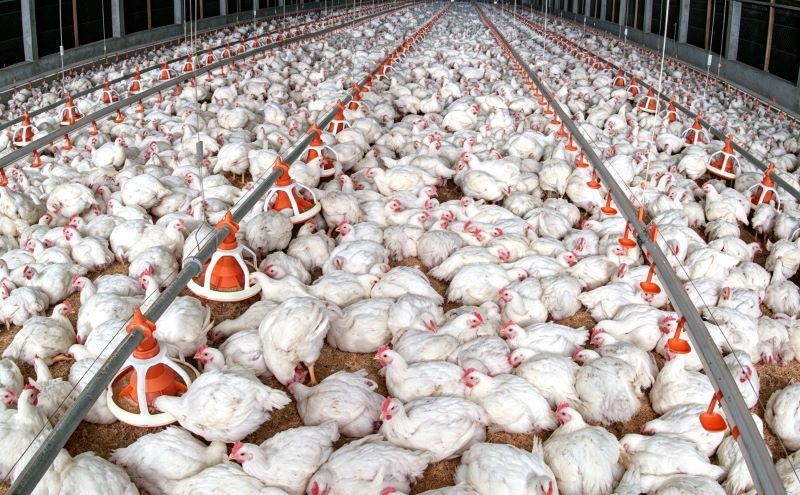
Poultry House Cooling Sequence During Extreme Heat: When to Start Tunnel Fans and Evaporative Cooling Pads
Extreme heat requires a coordinated cooling strategy in poultry houses. A staged approach generally begins with increased tunnel ventilation to remove accumulated heat and improve air movement. Evaporative cooling pads can then be introduced when ventilation alone is insufficient, provided that humidity and airflow conditions are suitable. During severe heat, fans and cooling pads can…
-
Regional Customization Strategies: How Floor Rearing Equipment Suppliers Can Tailor Products and Pricing for High‑Growth Markets
High‑growth markets differ in climate, farm scale, and purchasing power, requiring suppliers to adopt regional customization. In Southeast Asia, hot and humid conditions demand corrosion‑resistant components and high‑dust‑tolerant ventilation. Basic semi‑automated feeders at competitive price points suit smallholder budgets.In the Middle East, extreme heat requires oversized tunnel fans and evaporative cooling pads. Customers prefer full…
-
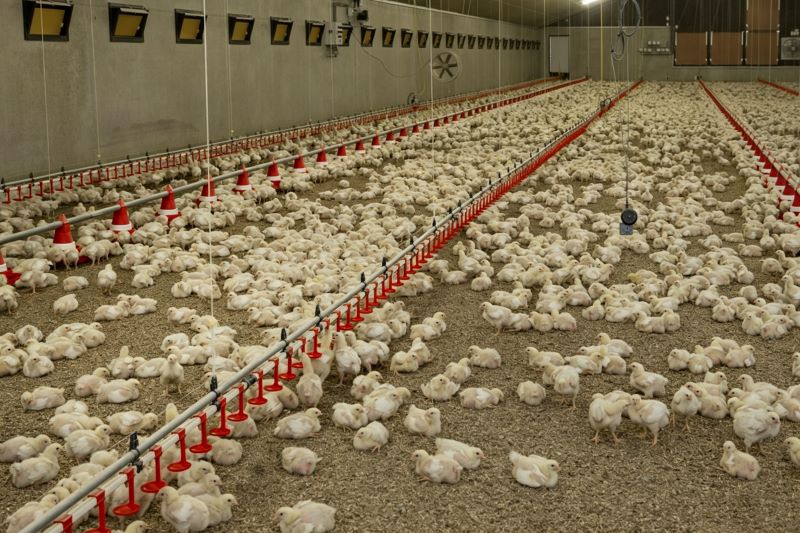
Adjusting Vaccination Programs in Hot Seasons – Timing and Stress Control Strategies Backed by Field Data
High temperatures don’t just affect bird comfort – they also impact vaccine effectiveness. Heat stress elevates corticosterone levels, which can suppress immune responses. Vaccinating during peak heat may add extra stress, reducing antibody production and increasing disease risk. Our field study on 50,000 broilers compared two vaccination schedules: morning (8–10 AM, temperature <26°C) vs. midday…
Product Categories
Subscribe To Product News
Leave your email address and receive our latest product updates