Your cart is currently empty!
+86 15863276370

As disease outbreaks become more frequent, poultry farms are shifting from buying standalone biosecurity equipment to seeking integrated solutions. The “equipment + service” model is emerging as a key growth driver in this space.
This model combines hardware—such as automated disinfection channels, air filtration systems, and smart access controls—with value-added services like biosecurity audits, sanitation protocol design, and staff training. Instead of simply delivering equipment, suppliers provide ongoing support to ensure effective implementation.
For farms, this approach reduces the risk of improper use and maximizes biosecurity ROI. For suppliers, it creates recurring revenue streams and strengthens customer loyalty. Smaller farms, often constrained by technical expertise, find particular value in bundled solutions that include professional guidance.
As biosecurity evolves from a one-time purchase to an ongoing management priority, the “equipment + service” model is well-positioned to become the industry standard—offering both protection and peace of mind.
Share this:
Other Posts
-
Manual Egg Collection vs. Automated Systems: How Much Labor Cost Can a Nest Box Save You?
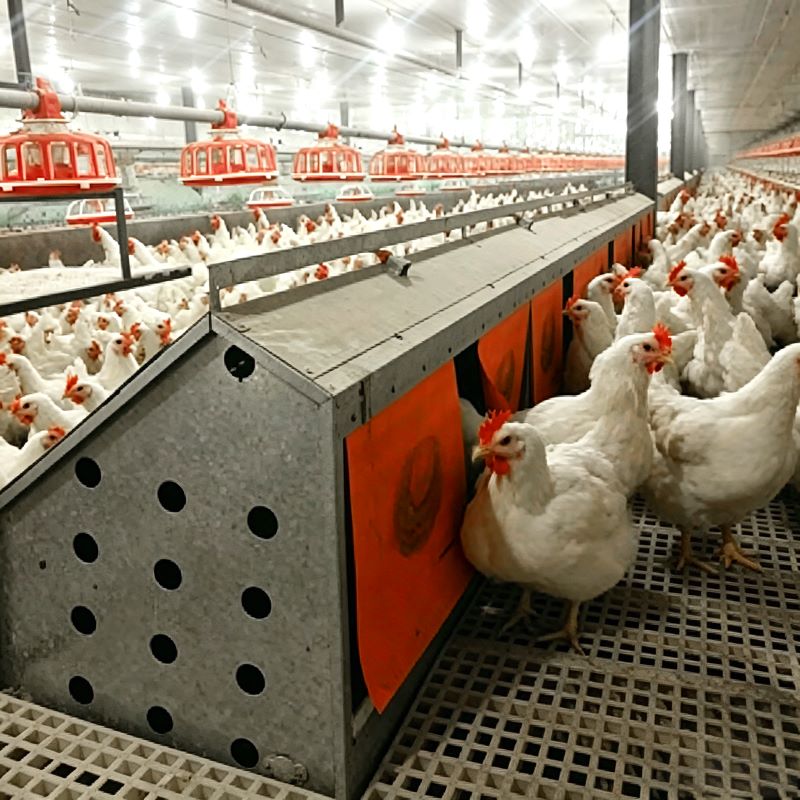
For broiler breeder farms, egg collection remains one of the most labor-intensive tasks. Manual collection requires workers to walk through the house multiple times daily, bending and reaching into each nest. For a 10,000-bird flock, manual collection typically consumes 4–6 labor hours per day. At a farm with 50,000 breeders, that translates to 20–30 hours…
-
How Variable-Speed Poultry Fans Reduce Energy Use Without Compromising Cooling Performance
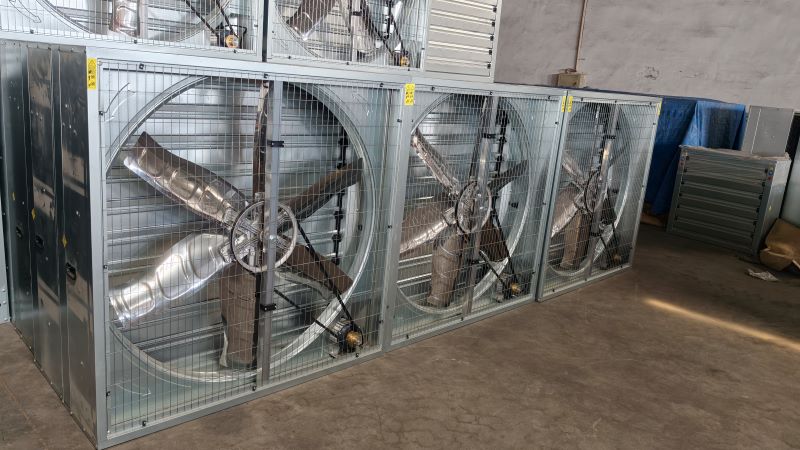
Variable-speed poultry fans can help farms balance cooling performance and electricity consumption by adjusting airflow according to environmental conditions. Instead of operating continuously at full speed, fans can run at lower speeds during moderate conditions and increase capacity when temperatures rise. When integrated with temperature sensors, evaporative cooling pads, and climate-control systems, variable-speed ventilation can…
-
Labor Substitution Effect of Automated Feeding Systems: Empirical Evidence of Labor Savings from Manual Bag Handling to Pneumatic Conveying
This study quantifies labor savings when replacing manual bag feeding with automated pneumatic conveying in a 10,000-bird broiler farm. Manual feeding involves lifting, carrying, tearing, and scattering 25–40 kg bags daily. Two full‑time workers spend 6–8 hours per day on these tasks, equivalent to 2,080–2,600 working hours annually per worker. Automated feeding uses a silo,…
-
Dynamic Feed Optimization Model Cuts Waste, Boosts Broiler Performance
A new trial shows that a dynamic feed optimization model based on age‑weight curves significantly improves broiler production. In a 35‑day test with 10,000 Ross 308 broilers, the model reduced feed waste from 8.2% to 2.2% (a 6% absolute cut), lowered feed conversion ratio (FCR) by 7.9%, and increased final body weight from 1.85 kg…
Product Categories
Subscribe To Product News
Leave your email address and receive our latest product updates