Your cart is currently empty!
+86 15863276370

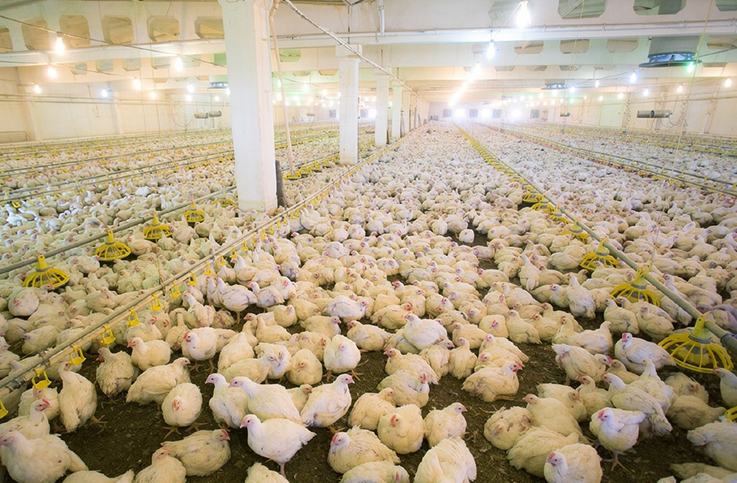
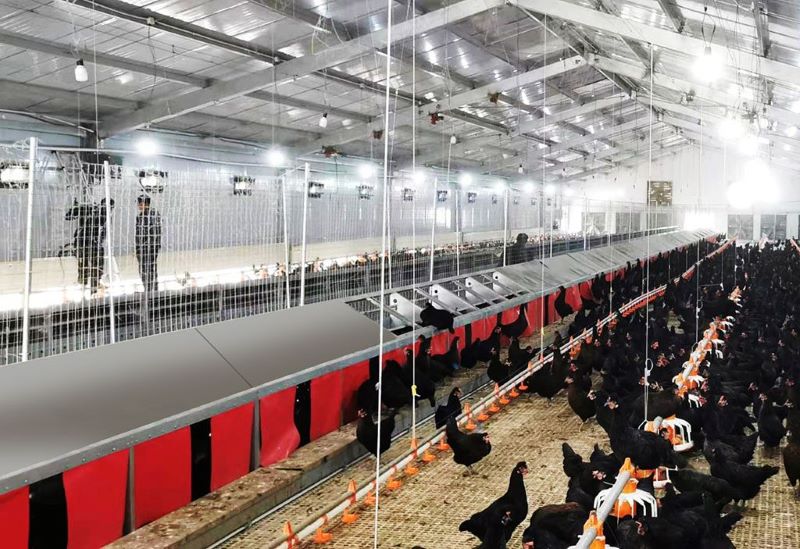
High ambient temperatures suppress feed intake in broilers, reducing growth and feed efficiency. Nighttime feeding combined with adjusted light schedules offers an effective solution.
By shifting feeding to cooler evening and early morning hours, birds consume more feed when heat stress is minimal. A light regimen of 4 hours light, 2 hours dark during nighttime encourages multiple feeding bouts without prolonged fasting.
Studies show this strategy increases daily feed intake by 8–12% during hot seasons, improves body weight gain by 6–10%, and reduces mortality from heat stress by up to 30%. Additionally, feed conversion ratio improves modestly due to better nutrient utilization.
Implementing programmable timers for lights and feeders requires low investment but delivers consistent returns. For farms in tropical regions, nighttime feeding with light manipulation is a practical, low-cost adaptation to rising temperatures.
Share this:
Other Posts
-
Nipple Drinker vs. Traditional Trough: Which Suits Your Poultry Farm Better?
Watering system choice impacts bird health, water consumption, and labor. Nipple drinkers provide fresh, clean water on demand, reducing spillage and litter moisture. This lowers ammonia emission and footpad dermatitis incidence. Nipples also prevent fecal contamination, improving biosecurity. However, initial cost is higher, and birds need training to use them. Traditional troughs are cheaper and…
-
Reducing Floor Egg Rate in Poultry Farming: Nest Box Selection and Management Strategy for Performance Optimization
Floor egg rate is an important performance indicator in layer poultry production, directly affecting egg collection efficiency, hygiene control, and overall farm profitability. In commercial operations, reducing floor eggs from 8% to 2% requires both proper nest box selection and systematic management strategies. Nest box design is the first critical factor. Appropriate size, entrance height,…
-
Development and Application of THI Early Warning Model: A Risk-Graded Alert Mechanism for Heat Stress Based on THI Thresholds
Heat stress in poultry is closely linked to temperature-humidity index (THI). A THI-based early warning model enables farms to act before birds suffer. The model defines four risk levels: THI < 74 (safe), 74–78 (caution), 79–83 (danger), and > 83 (emergency). Each threshold triggers specific actions—from increasing ventilation to activating cooling pads and adjusting feed…
-
From Experience to AI: The Evolution of Environmental Control in Floor-Rearing Houses
Traditional poultry farming relied heavily on grower experience and manual judgment. Today, AI-driven environmental control systems are transforming this approach . Recent research demonstrates significant breakthroughs. Scientists have developed predictive models like EMD-LSTM-Attention that forecast house temperature with a mean absolute percentage error as low as 0.76%, enabling proactive rather than reactive climate management .…
Product Categories
Subscribe To Product News
Leave your email address and receive our latest product updates