Your cart is currently empty!
+86 15863276370

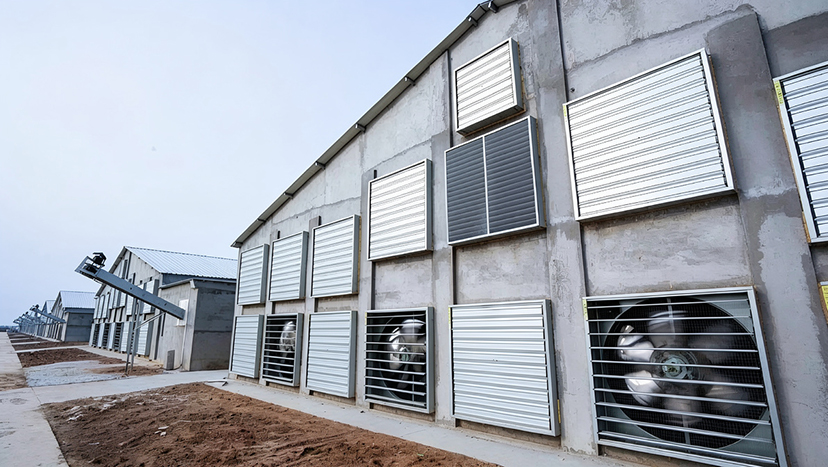
Environmental control systems are critical for poultry house performance. Unplanned fan or sensor failures during heat waves can cause catastrophic losses. A preventive maintenance strategy significantly reduces this risk.
Key elements include: scheduled inspections of fans, motors, and belts every 500 operating hours; calibration checks for temperature and humidity sensors monthly; and cleaning of cooling pad filters before each hot season.
Equally important is a well‑designed spare parts inventory. Critical components—such as drive belts, fan motors, control boards, and water pumps—should be kept on‑site based on failure frequency analysis. A minimum stock level ensures immediate replacement without waiting for delivery.
Integrating maintenance schedules with digital tracking tools allows farms to predict component lifespans and plan replacements proactively. This approach cuts unplanned downtime by over 60% and extends equipment life, securing bird welfare and farm profitability.
Share this:
Other Posts
-
5 Common Mistakes to Avoid When Purchasing Complete Poultry Automation Equipment: A Practical Buying Guide
The selection of complete poultry automation equipment plays a critical role in improving farm efficiency and production stability. However, improper equipment planning, insufficient compatibility analysis, and lack of technical support may increase operational challenges. This article identifies five common mistakes in poultry automation equipment purchasing, including price-focused decisions, unsuitable system matching, climate adaptation issues, insufficient…
-
Input-Output Model of Automated Feeding Systems for Reducing Feed Cost
Feed constitutes 60–70% of total broiler production costs. Automated feeding systems reduce feed waste through precise portion control, creating a measurable input‑output economic model. Input (Investment) Output (Annual Savings from Feed Alone) Extended Output (Additional Savings) ROI CalculationPayback period (feed savings only) = $13,500 ÷ $2,600 = 5.2 yearsPayback (total savings) = $13,500 ÷ $14,000…
-
Broiler Drinking Water Management in Summer: Density, Temperature, and Electrolytes for Heat Stress Relief
Water is the most critical nutrient for broilers during hot weather. When temperatures rise, birds can double their water intake. Yet many farms overlook three key factors: drinker density, water temperature, and electrolyte supplementation. Here’s what the data shows. Drinker Density: Enough Points Matter Inadequate drinker access is a primary bottleneck during heat stress. Industry…
-
Labor Cost Estimation in the US and EU: How Automated Feeding Replaces 2–3 Workers per 10,000-Bird Broiler Farm
In the US and EU, hourly wages for farm labor range from 15to15to20. Manual feeding of a 10,000-bird house requires two to three full‑time workers. Annual labor cost per worker (2,080 hours) is 31,200–31,200–41,600. Thus, total manual feeding labor costs 62,400–62,400–124,800 per year. Automated feeding systems (silo, auger, pan feeders) reduce this to one part‑time worker (approx. 500…
Product Categories
Subscribe To Product News
Leave your email address and receive our latest product updates