Your cart is currently empty!
+86 15863276370

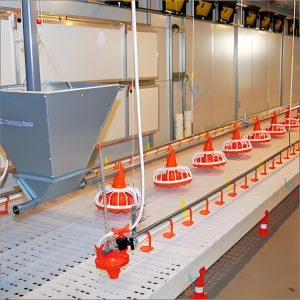
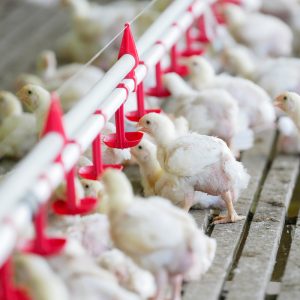
Watering system choice impacts bird health, water consumption, and labor. Nipple drinkers provide fresh, clean water on demand, reducing spillage and litter moisture. This lowers ammonia emission and footpad dermatitis incidence. Nipples also prevent fecal contamination, improving biosecurity. However, initial cost is higher, and birds need training to use them.
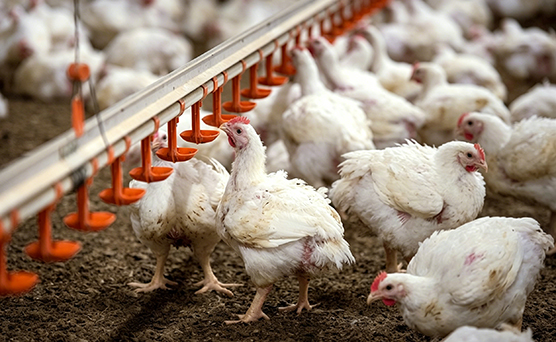
Traditional troughs are cheaper and simpler, requiring no training. But open water surfaces accumulate dust, feed, and droppings, raising disease risk. Troughs cause frequent spillage, wetting litter and increasing coccidiosis and pododermatitis. Cleaning troughs demands daily labor.
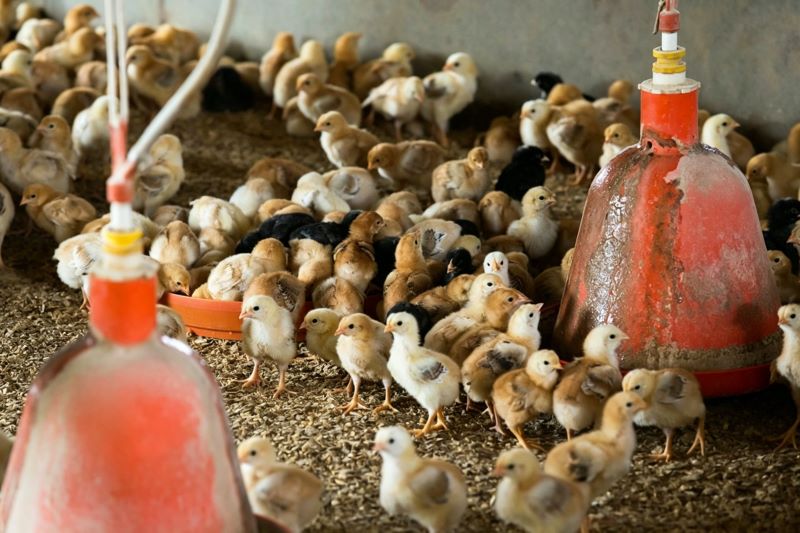
For modern farms prioritizing hygiene and automation, nipple drinkers are superior despite higher upfront investment. For small-scale or low-budget operations, troughs may still work but require rigorous cleaning. Recommendation: invest in nipple drinkers for long-term savings in medication, litter replacement, and labor.
Share this:
Other Posts
-
Nighttime Feeding and Light Regulation Strategies: Behavioral Intervention to Avoid High-Temperature Periods and Impacts on Growth Performance
High ambient temperatures suppress feed intake in broilers, reducing growth and feed efficiency. Nighttime feeding combined with adjusted light schedules offers an effective solution. By shifting feeding to cooler evening and early morning hours, birds consume more feed when heat stress is minimal. A light regimen of 4 hours light, 2 hours dark during nighttime…
-
5 Common Mistakes to Avoid When Purchasing Complete Poultry Automation Equipment: A Practical Buying Guide
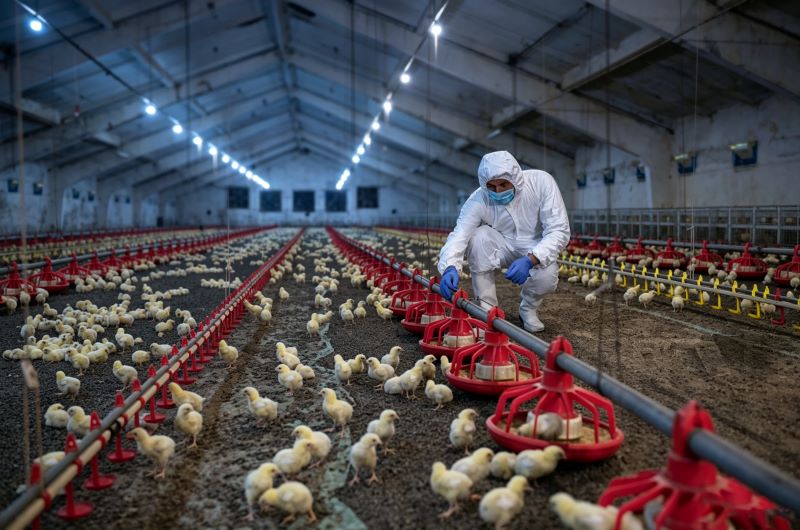
The selection of complete poultry automation equipment plays a critical role in improving farm efficiency and production stability. However, improper equipment planning, insufficient compatibility analysis, and lack of technical support may increase operational challenges. This article identifies five common mistakes in poultry automation equipment purchasing, including price-focused decisions, unsuitable system matching, climate adaptation issues, insufficient…
-
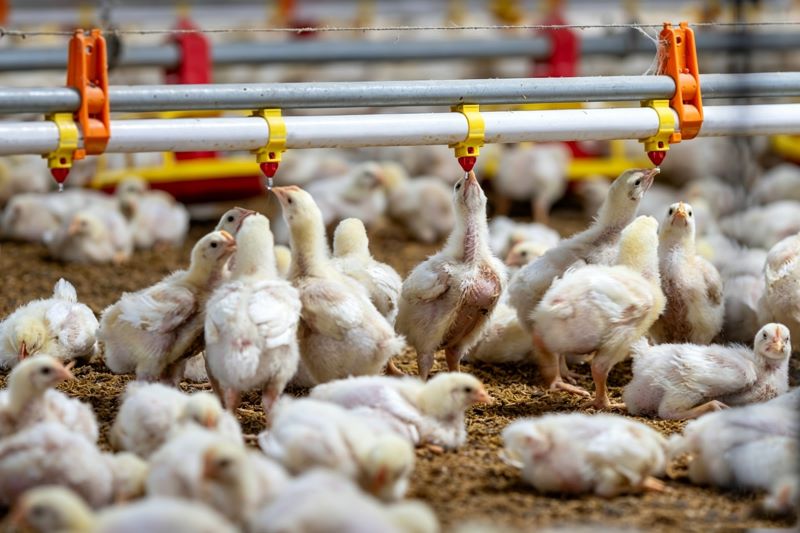
Deconstructing the Payback Period of Automated Feeding Systems: A Quantitative Analysis of Feed Savings Contribution
Automated feeding systems significantly shorten payback periods by reducing feed waste. This study quantifies how much feed savings contribute to overall return on investment in a 10,000‑bird broiler house. A typical automated feeding system costs $12,000–$15,000 installed. Annual savings come from three sources: labor (70% reduction, saving ~$10,000), feed waste reduction (5–10% saving, ~$2,700–$5,400), and…
-
Annual Feed Savings Estimation for a 10,000-Bird Broiler Farm Using Precision Feeding
Precision feeding delivers exact feed amounts based on real-time bird weight and intake patterns, minimizing waste. For a 10,000-bird flock with a 40-day cycle and average feed conversion ratio (FCR) of 1.6, total feed consumption reaches roughly 16,000 kg per cycle. Manual feeding typically wastes 5–10% of feed due to spillage, spoilage, and uneven distribution.…
Product Categories
Subscribe To Product News
Leave your email address and receive our latest product updates