Your cart is currently empty!
+86 15863276370

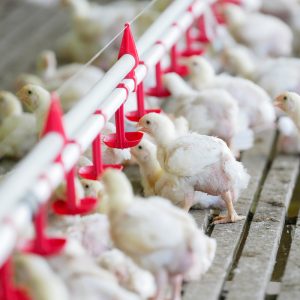
Leaking nipple drinkers waste water, wet litter, and increase disease risk. Understanding common failure causes helps farm managers quickly fix issues.
Primary leak sources include: worn silicone seals (normal wear after 12–18 months), debris trapped in the valve (from poor water filtration), incorrect water pressure (above 0.2–0.3 bar), damaged nipple body (cracks from freezing or impact), and loose connections at the pipe joint.
A systematic troubleshooting flowchart follows: check water pressure first (adjust regulator to 0.2 bar). Then inspect for external cracks. Next, disassemble the nipple, clean any debris, and examine the seal. Replace worn seals or damaged units. Finally, verify proper installation angle (vertical ±5°).
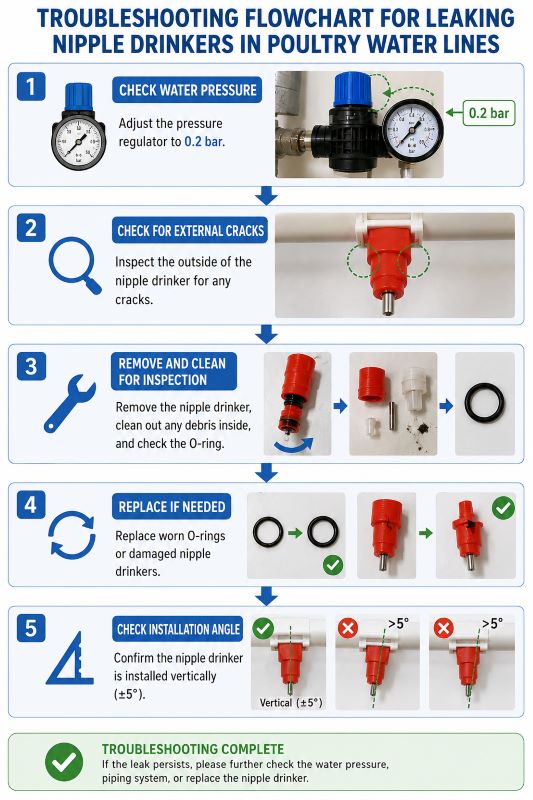
Preventive measures: install inline filters, flush lines weekly, maintain stable pressure, and replace seals annually. Regular checks reduce leakage by over 80%. A visual flowchart (pressure → visual inspection → cleaning → seal replacement) guides operators step by step, saving time and litter quality.
Share this:
Other Posts
-
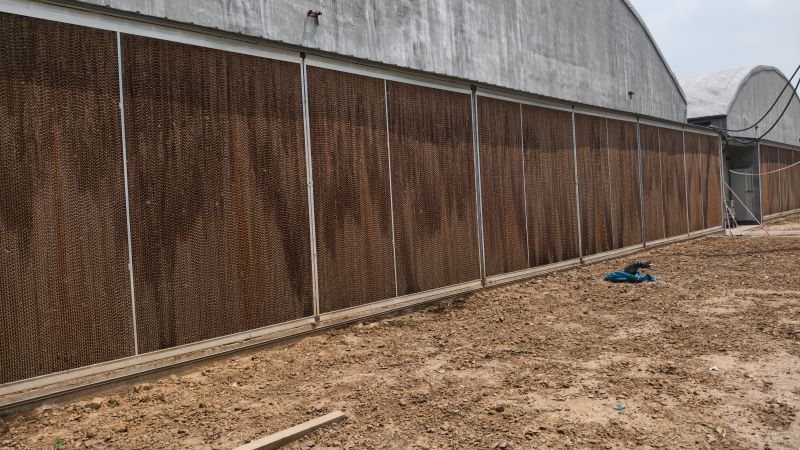
How Do Poultry House Cooling Pads and Exhaust Fans Work? Understanding Evaporative Cooling in Summer
Keeping poultry houses within a suitable temperature range during summer is an important part of environmental management. A combination of evaporative cooling pads and exhaust fans is widely used because the two systems work together to move and cool incoming air. The process begins with the exhaust fans. By removing hot air from the house,…
-
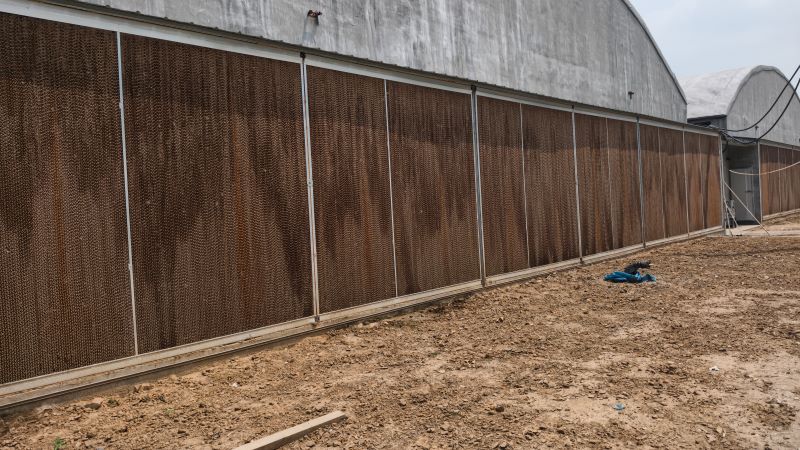
Evaporative Cooling Pad Water Quality and Maintenance: How Hardness, pH, and Mineral Scale Affect Cooling Performance
Water quality is an important factor affecting the performance and maintenance of evaporative cooling pads in poultry houses. High mineral content, unsuitable pH conditions, and accumulated scale can interfere with water distribution and evaporation efficiency. This article examines practical maintenance strategies, including water testing, controlled bleed-off, periodic flushing, and routine inspection. Effective water management can…
-
Equipment Challenges in Hot and Humid Conditions: Technical Adaptations for Floor Rearing Systems in the Middle East
The Middle East challenges poultry farming with temperatures exceeding 50°C and high humidity. Standard floor rearing equipment requires significant adaptation. Ventilation demands oversized tunnel systems with high-capacity fans to maintain airspeed. Evaporative cooling pads need larger surface areas and regular maintenance to prevent mineral buildup. Drinking systems require higher-flow nipple drinkers for adequate hydration. Insulated…
-
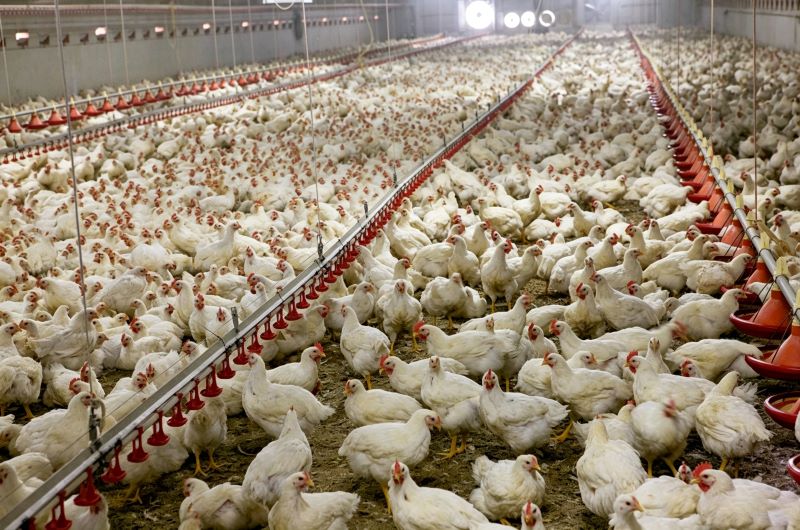
Cage vs. Floor Housing for Poultry Farms: 20 Key Factors to Consider Before Choosing a System
Choosing between cage and floor housing requires a comprehensive evaluation of farm conditions rather than relying on a single factor. This article compares 20 practical dimensions, including space utilization, investment, labor, feeding, manure management, ventilation, automation, and long-term operating costs. Cage systems may provide higher vertical space utilization, while floor housing can suit different production…
Product Categories
Subscribe To Product News
Leave your email address and receive our latest product updates