Your cart is currently empty!
+86 15863276370

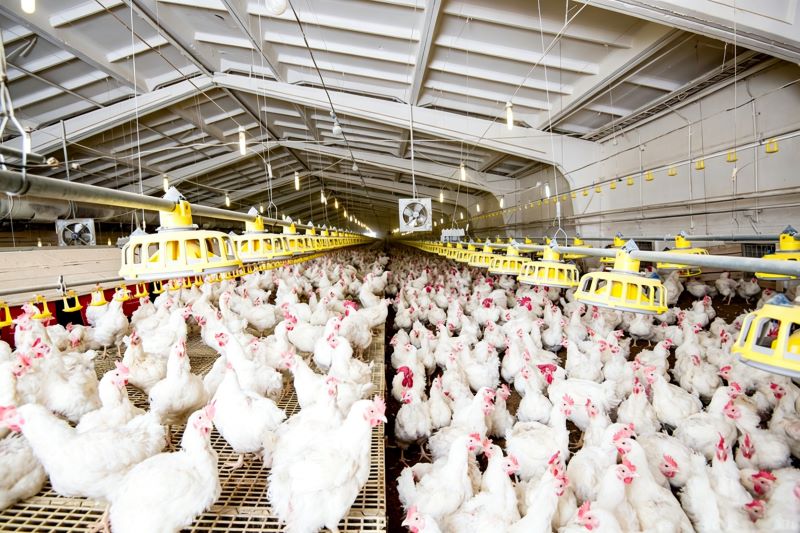
Smart monitoring systems are increasingly used in modern poultry farming to improve production efficiency, environmental stability, and overall flock performance. In commercial broiler production environments, integrated monitoring solutions have been associated with productivity improvements of approximately 20–34%, depending on farm scale, equipment configuration, and management practices.
The main mechanism behind this improvement is real-time environmental regulation. Smart systems continuously track key parameters such as temperature, humidity, ammonia concentration, and ventilation status. When abnormal conditions are detected, the system can automatically adjust ventilation fans, cooling pads, or heating equipment to maintain stable living conditions for the birds.
Another important factor is data-driven management. Traditional poultry farms often rely on manual observation, which can lead to delayed responses and inconsistent decision-making. In contrast, smart monitoring platforms collect continuous data and provide analytical feedback, allowing managers to respond more quickly and accurately to changes in the production environment.
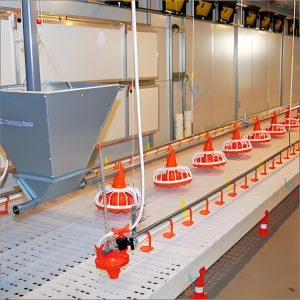
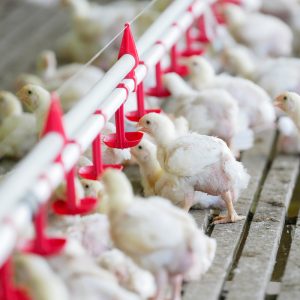
Automation in feeding and water systems further improves efficiency. By aligning feed delivery with growth stages and environmental conditions, the system reduces feed waste and improves feed conversion performance. This contributes to better flock uniformity and more stable production outcomes.
In addition, early warning and alarm functions help reduce operational risks. Equipment failures or sudden environmental changes can be detected in advance, allowing timely intervention before significant production losses occur.
Although initial investment in smart monitoring systems may be higher, long-term benefits include reduced labor dependency, improved resource utilization, and more stable production performance. These combined effects explain why smart monitoring technologies are becoming a core component of modern poultry production systems.
Share this:
Other Posts
-
How Do Poultry House Cooling Pads and Exhaust Fans Work? Understanding Evaporative Cooling in Summer
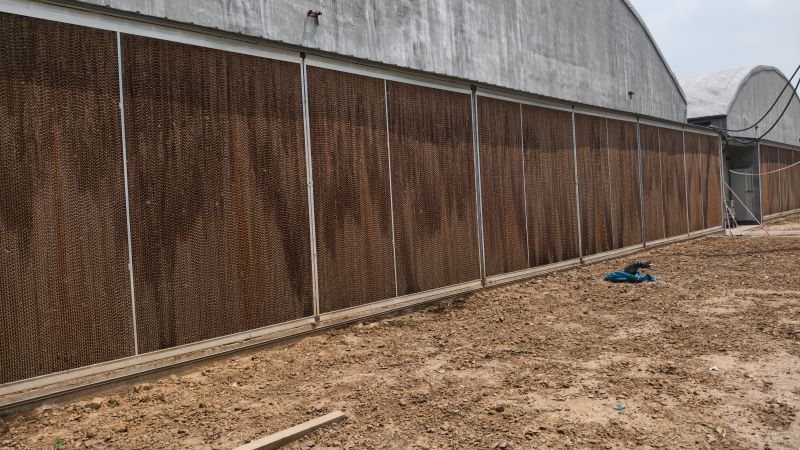
Keeping poultry houses within a suitable temperature range during summer is an important part of environmental management. A combination of evaporative cooling pads and exhaust fans is widely used because the two systems work together to move and cool incoming air. The process begins with the exhaust fans. By removing hot air from the house,…
-
How Variable-Speed Poultry Fans Reduce Energy Use Without Compromising Cooling Performance
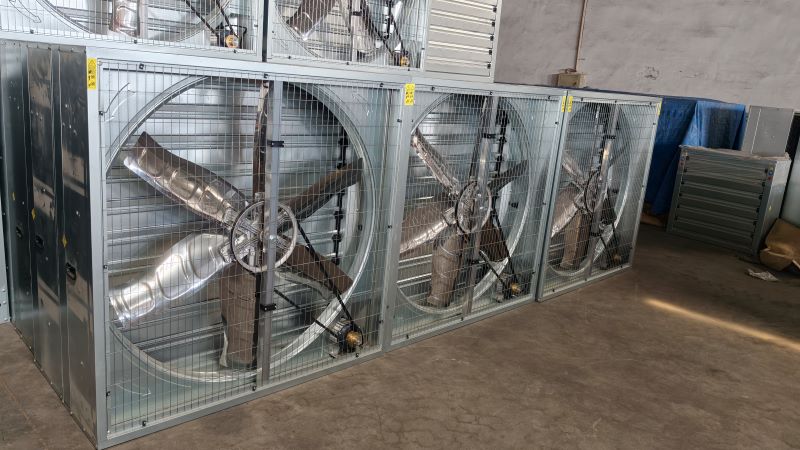
Variable-speed poultry fans can help farms balance cooling performance and electricity consumption by adjusting airflow according to environmental conditions. Instead of operating continuously at full speed, fans can run at lower speeds during moderate conditions and increase capacity when temperatures rise. When integrated with temperature sensors, evaporative cooling pads, and climate-control systems, variable-speed ventilation can…
-
How to Improve Broiler Feed Conversion Ratio: The Synergy of Precision Feeding and Smart Environmental Control
Feed conversion ratio (FCR) is the most critical metric in broiler production—feed accounts for 60–70% of total costs. Improving FCR by just 0.1 can save over 6 tons of feed per 10,000 birds annually. This article examines how precision feeding and smart environmental control work together to achieve this gain. Precision Feeding: Right Amount, Right…
-
Regional Customization Strategies: How Floor Rearing Equipment Suppliers Can Tailor Products and Pricing for High‑Growth Markets
High‑growth markets differ in climate, farm scale, and purchasing power, requiring suppliers to adopt regional customization. In Southeast Asia, hot and humid conditions demand corrosion‑resistant components and high‑dust‑tolerant ventilation. Basic semi‑automated feeders at competitive price points suit smallholder budgets.In the Middle East, extreme heat requires oversized tunnel fans and evaporative cooling pads. Customers prefer full…
Product Categories
Subscribe To Product News
Leave your email address and receive our latest product updates