Your cart is currently empty!
+86 15863276370

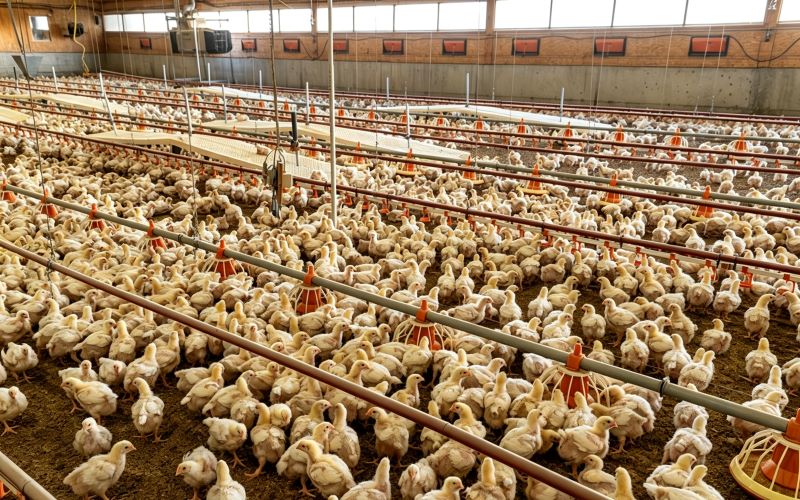
Stocking density is a critical management factor affecting animal welfare, environmental control efficiency, and production performance in commercial poultry farming. During seasonal temperature changes, maintaining the appropriate bird density becomes increasingly important because heat production from flocks directly influences the internal climate of poultry houses.
A seasonal stocking density adjustment model evaluates the relationship between bird numbers, environmental temperature, ventilation capacity, and heat load generation. Under cooler conditions, higher stocking density may be managed effectively because birds generate additional body heat that contributes to maintaining house temperature. However, during high-temperature periods, excessive density increases accumulated heat production and reduces air circulation efficiency, increasing the risk of heat stress.
The dynamic management approach adjusts stocking density according to temperature thresholds and environmental conditions. When external temperatures rise beyond recommended ranges, reducing bird concentration or improving ventilation capacity can help maintain a more stable thermal environment. In cooler seasons, optimized density management can improve space utilization while maintaining acceptable production performance.
The model considers multiple variables, including bird age, body weight, house ventilation rate, insulation performance, and local climate characteristics. By integrating these factors, farmers can develop more accurate seasonal management strategies rather than relying on fixed stocking density standards throughout the year.
Field applications indicate that temperature-based density adjustment, combined with effective ventilation and environmental control systems, can improve thermal stability, reduce heat stress pressure, and support more consistent flock performance.
As climate variability becomes more significant worldwide, seasonal stocking density optimization is becoming an important component of precision poultry farming. Combining data analysis, environmental monitoring, and automated climate control allows modern poultry farms to achieve more efficient resource utilization and improved production stability.
Share this:
Other Posts
-
Energy Consumption and Carbon Footprint Changes in Poultry Farms across Climatic Zones during El Niño Years
El Niño events alter temperature and humidity patterns, affecting energy use in poultry houses. In temperate zones, unexpected cold spells increase heating demand, raising carbon emissions. Subtropical farms face longer hot periods, intensifying ventilation and cooling pad operation, which spikes electricity consumption. Tropical regions experience extreme humidity, forcing fans and dehumidifiers to run longer. These…
-
Cage vs. Floor Housing for Poultry Farms: 20 Key Factors to Consider Before Choosing a System
Choosing between cage and floor housing requires a comprehensive evaluation of farm conditions rather than relying on a single factor. This article compares 20 practical dimensions, including space utilization, investment, labor, feeding, manure management, ventilation, automation, and long-term operating costs. Cage systems may provide higher vertical space utilization, while floor housing can suit different production…
-
Managing Ammonia Emissions in Poultry Farms During El Niño: Practical Strategies for Waste and Odor Control
El Niño-related climate variability may create warmer or more humid conditions in some poultry-producing regions, increasing challenges in manure and ammonia management. This article examines practical approaches including automated manure removal, ventilation management, moisture control, and odor-treatment options. The effectiveness of each measure depends on local climate, poultry house design, manure characteristics, and operating practices.…
-
Prevent Mold, Protect Health: How Automated Feeding Reduces Gut Disease and Veterinary Costs
Manual feeding often exposes feed to moisture, leading to mold growth and mycotoxins that damage gut health. Automated feeding systems paired with sealed silos keep feed dry and fresh from storage to delivery. This reduces the risk of intestinal diseases like necrotic enteritis, lowering mortality and veterinary expenses. For a 10,000-bird house, annual savings on…
Product Categories
Subscribe To Product News
Leave your email address and receive our latest product updates