Your cart is currently empty!
+86 15863276370

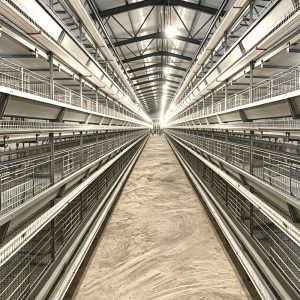
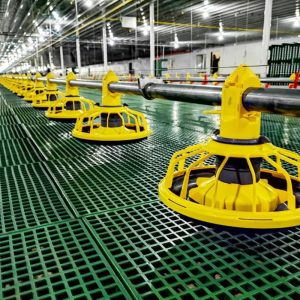
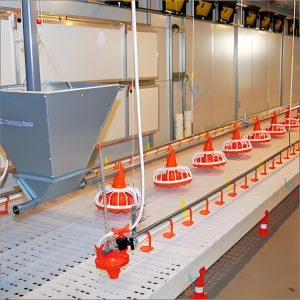
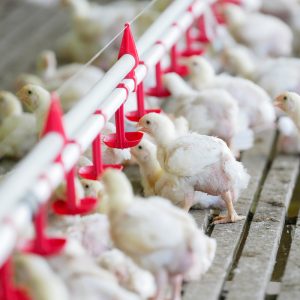
Feed cost is one of the largest operating expenses in poultry production, making feed efficiency a key factor affecting farm profitability and long-term sustainability. With the development of automation technology, precision feeding systems are becoming an important solution for improving feeding accuracy, reducing waste, and optimizing production management.
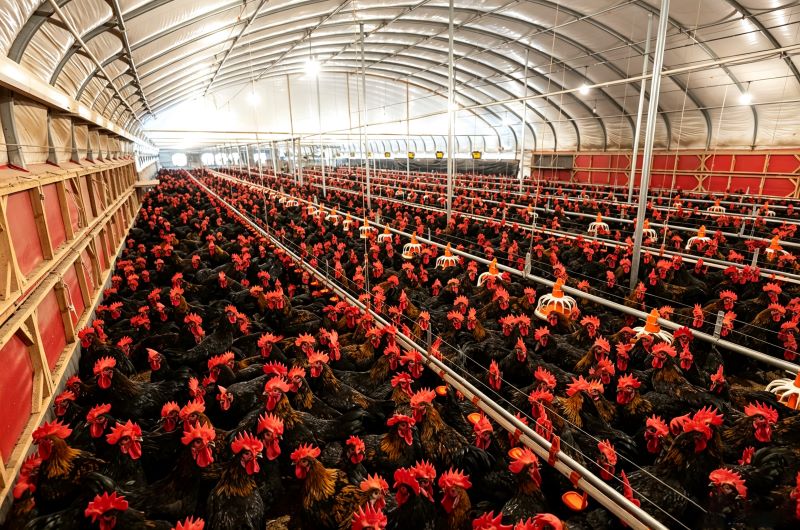
Traditional feeding methods often rely on manual adjustment and fixed feeding schedules, which may result in uneven feed distribution, excessive feed accumulation, or insufficient feeding accuracy. These factors can influence feed utilization efficiency and increase management workload, especially in medium and large-scale poultry farms.
Precision feeding systems use automated control technology to deliver feed according to programmed schedules and farm requirements. By improving feeding consistency and reducing unnecessary feed loss, these systems help farms achieve more stable feed management. In addition, accurate feeding control can support better flock uniformity and improve production monitoring capabilities.
From an investment perspective, the return on a precision feeding system depends on multiple factors, including farm size, equipment configuration, labor costs, feed prices, and management practices. Although automation requires initial investment, the long-term value comes from improved operational efficiency, reduced labor dependency, and more standardized production processes.
For large-scale poultry farms, precision feeding is not only an equipment upgrade but also a management strategy. When integrated with environmental control systems and digital monitoring technologies, precision feeding can provide farmers with more accurate production data and support better decision-making.
A comprehensive ROI evaluation should consider both direct economic benefits and long-term operational improvements. By adopting suitable precision feeding solutions, poultry farms can build more efficient, stable, and sustainable production systems.
Share this:
Other Posts
-
Energy Consumption and Carbon Footprint Changes in Poultry Farms across Climatic Zones during El Niño Years
El Niño events alter temperature and humidity patterns, affecting energy use in poultry houses. In temperate zones, unexpected cold spells increase heating demand, raising carbon emissions. Subtropical farms face longer hot periods, intensifying ventilation and cooling pad operation, which spikes electricity consumption. Tropical regions experience extreme humidity, forcing fans and dehumidifiers to run longer. These…
-
How to Choose Your Poultry System
How to Choose the Right Poultry Farming System and Equipment Selecting the right farming method and equipment starts with evaluating your farm scale, climate conditions, and target market. Floor rearing is suitable for welfare-focused farms, offering lower initial investment, easier all-in/all-out sanitation management, and relatively simple litter handling. Cage systems maximize stocking density but face…
-
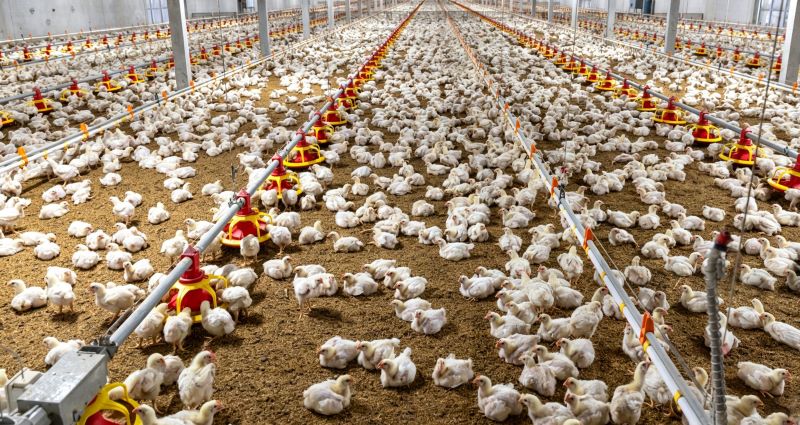
Feed Loss and Quality Degradation in Poultry Farming: A Comparative Analysis of Manual Feeding vs Automated Feeding Systems
Feed loss and quality degradation are key challenges affecting efficiency in poultry production. This article compares manual and automated feeding systems in terms of feed spillage and deterioration risks. Manual feeding is often associated with uneven distribution, higher spillage rates, and increased exposure to environmental factors that may affect feed quality. Automated systems improve feeding…
-
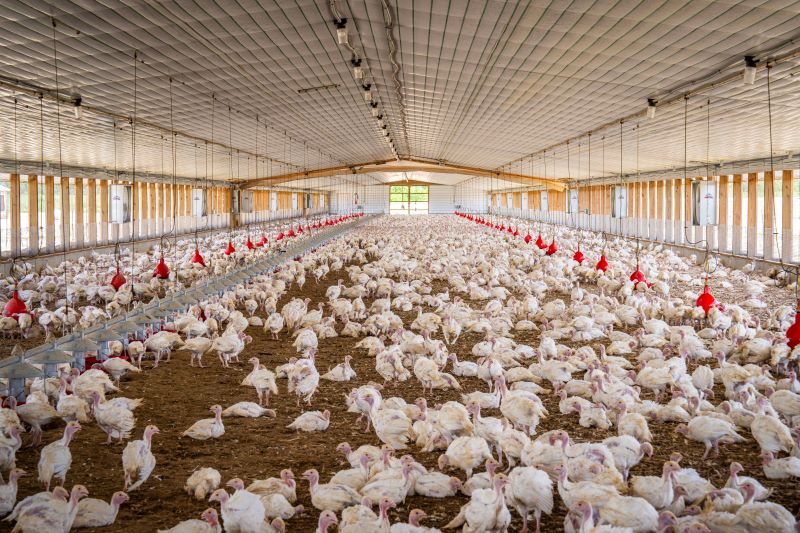
Comparative Cost Efficiency Model of Poultry Farm Labor Savings: Europe vs Middle East Market Analysis
Labor cost structure is one of the most critical variables influencing investment decisions in commercial poultry production systems. This study presents a comparative cost efficiency model for a 10,000-broiler farm, focusing on labor savings potential and automation adoption differences between Europe and the Middle East. In European poultry markets, labor costs are relatively high due…
Product Categories
Subscribe To Product News
Leave your email address and receive our latest product updates