Your cart is currently empty!
+86 15863276370

Climate changes caused by El Niño events may influence temperature, humidity, and precipitation patterns in some regions. For poultry farms, these environmental changes can increase challenges in feed storage management, especially in areas with high humidity conditions. Effective feed preservation strategies are important for maintaining feed quality and reducing unnecessary economic losses.
High moisture environments can accelerate feed deterioration by increasing the risk of mold growth and nutrient degradation. Feed stored under unsuitable conditions may experience reduced quality, affecting feed utilization efficiency and farm management performance.
One important solution is improving feed storage conditions through sealed feed silos. Compared with traditional storage methods, properly designed silos can reduce exposure to external moisture, improve storage stability, and support better feed management. Regular inspection of silo sealing performance and internal conditions is also essential.
The use of suitable moisture-control measures, such as approved drying agents or humidity management methods, can provide additional protection in high-risk periods. However, these measures should be applied according to local climate conditions and feed storage requirements.
Feed purchasing strategies also influence storage risk. Instead of storing excessive feed quantities for long periods, some farms may adopt phased purchasing plans based on production schedules and weather conditions. This approach can help balance feed availability, storage costs, and quality control.
Overall, climate-adaptive feed management requires a combination of proper storage equipment, moisture control practices, and reasonable purchasing strategies. By preparing in advance and adjusting management methods according to environmental conditions, poultry farms can improve feed quality stability and strengthen operational resilience.
Share this:
Other Posts
-
Manual Feeding vs Precision Feeding Systems in Poultry Farming: Efficiency, Cost, and Feed Conversion Comparison
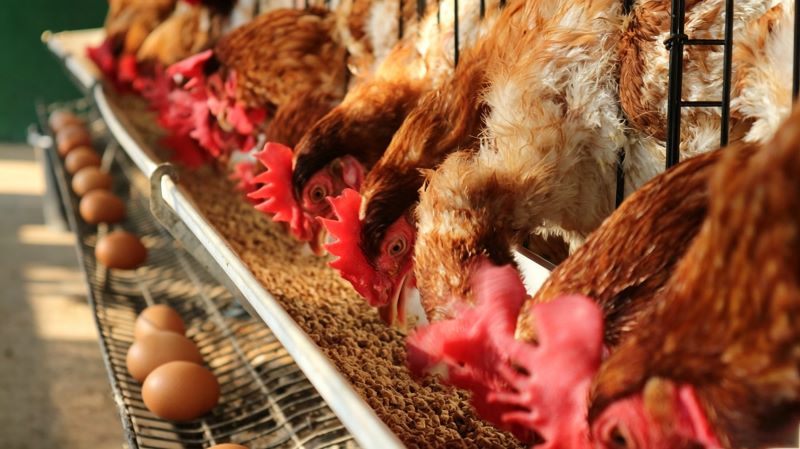
Feed management is one of the most critical factors affecting productivity and cost efficiency in poultry farming. Traditionally, manual feeding has been widely used due to its simplicity and low initial investment. However, with the development of automation technology, precision feeding systems are increasingly replacing manual operations in modern poultry houses. Manual feeding relies heavily…
-
Poultry House Orientation and Heat Stress Reduction: East–West vs North–South Layout Impact on Solar Heat Gain
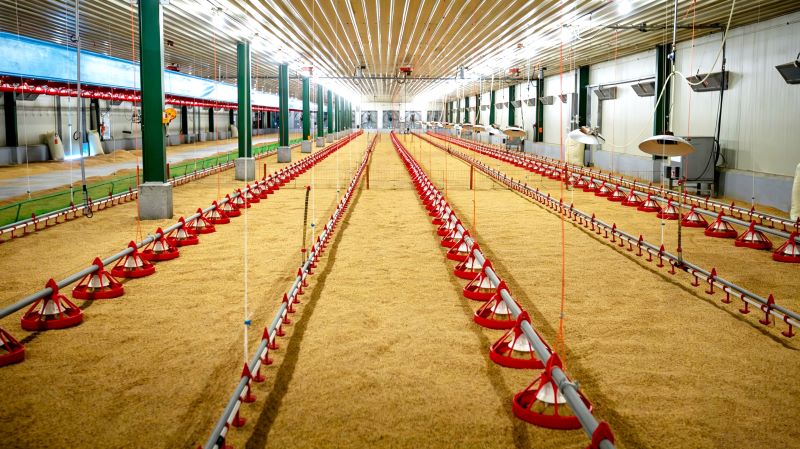
Poultry house orientation is a fundamental design parameter that directly affects thermal comfort, ventilation efficiency, and broiler performance. In commercial poultry production systems, improper building orientation can significantly increase solar heat gain and raise the risk of heat stress, especially in hot climate regions. An east–west oriented poultry house is typically more exposed to direct…
-
What Scale Makes Automation Most Cost-Effective? A Study on the Size Threshold for Floor Rearing Equipment Payback
For floor rearing farms, automation becomes cost-effective when scale passes a certain threshold. Using a 12–24 month payback benchmark, analysis shows that 10,000 birds per house is the minimum viable scale for automated feeding systems. Below 8,000 birds, labor savings do not offset equipment costs. At 15,000–20,000 birds, payback drops to 12–18 months, and automated ventilation becomes…
-
Poultry Farming Equipment Industry Ushers in Intelligent Upgrade Wave, Market Size Expected to Exceed 20 Billion Yuan in 2025
With the deep application of technologies such as the Internet of Things and artificial intelligence, the poultry farming equipment industry is undergoing an unprecedented intelligent transformation. According to the latest market data, China’s poultry farming equipment market size is expected to exceed 20 billion yuan in 2025, with a compound annual growth rate of 12.26%.…
Product Categories
Subscribe To Product News
Leave your email address and receive our latest product updates