Your cart is currently empty!
+86 15863276370

Feed efficiency is a critical factor in modern poultry production, directly influencing profitability and sustainability. However, three major sources of feed loss—spillage, spoilage, and feed refusal—are often underestimated. Quantifying these losses helps farmers improve management strategies and reduce operational costs.
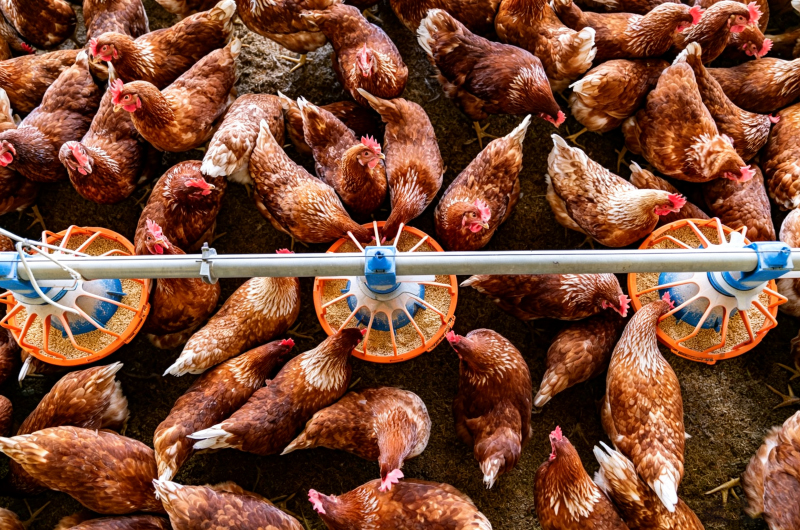
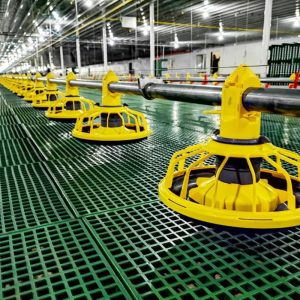
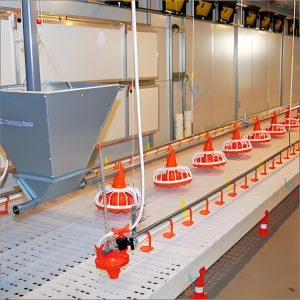
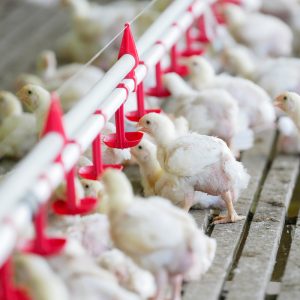
Spillage occurs when feed is wasted due to improper feeder design or bird behavior. Studies indicate that poorly adjusted feeders can lead to losses of up to 5–10%. Optimizing feeder height, controlling feed flow, and using well-designed poultry equipment can significantly reduce this issue.
Spoilage is another important factor, often caused by moisture, microbial contamination, or prolonged storage. Mold growth and nutrient degradation not only reduce feed quality but may also pose health risks to poultry. Research shows that improper storage conditions can result in 3–8% feed loss. Implementing dry storage systems and regular feed turnover is essential for maintaining feed integrity.
Feed refusal refers to the portion of feed not consumed by birds due to poor palatability, imbalanced nutrition, or environmental stress. This loss can range from 2–6% depending on diet formulation and farm conditions. Ensuring balanced nutrition, maintaining proper temperature, and reducing stress factors can improve feed intake efficiency.
By systematically analyzing these three loss sources, poultry producers can achieve better feed conversion ratios and enhance farm performance. Investing in high-quality poultry feeding equipment and adopting scientific management practices are key steps toward minimizing feed waste and maximizing productivity.
Share this:
Other Posts
-
Smart Monitoring Systems in Poultry Farming: Efficiency Improvements and Operational Mechanisms
Smart monitoring systems are increasingly used in modern poultry farming to improve production efficiency, environmental stability, and overall flock performance. In commercial broiler production environments, integrated monitoring solutions have been associated with productivity improvements of approximately 20–34%, depending on farm scale, equipment configuration, and management practices. The main mechanism behind this improvement is real-time environmental…
-
Cage vs. Floor Housing for Poultry Farms: 20 Key Factors to Consider Before Choosing a System
Choosing between cage and floor housing requires a comprehensive evaluation of farm conditions rather than relying on a single factor. This article compares 20 practical dimensions, including space utilization, investment, labor, feeding, manure management, ventilation, automation, and long-term operating costs. Cage systems may provide higher vertical space utilization, while floor housing can suit different production…
-
Adjusting Vaccination Programs in Hot Seasons – Timing and Stress Control Strategies Backed by Field Data
High temperatures don’t just affect bird comfort – they also impact vaccine effectiveness. Heat stress elevates corticosterone levels, which can suppress immune responses. Vaccinating during peak heat may add extra stress, reducing antibody production and increasing disease risk. Our field study on 50,000 broilers compared two vaccination schedules: morning (8–10 AM, temperature <26°C) vs. midday…
-
Labor Substitution Effect of Automated Feeding Systems: Empirical Evidence of Labor Savings from Manual Bag Handling to Pneumatic Conveying
This study quantifies labor savings when replacing manual bag feeding with automated pneumatic conveying in a 10,000-bird broiler farm. Manual feeding involves lifting, carrying, tearing, and scattering 25–40 kg bags daily. Two full‑time workers spend 6–8 hours per day on these tasks, equivalent to 2,080–2,600 working hours annually per worker. Automated feeding uses a silo,…
Product Categories
Subscribe To Product News
Leave your email address and receive our latest product updates