Your cart is currently empty!
+86 15863276370

Feed efficiency is an important factor in poultry production because feed represents a major operating cost. Pan and chain feeding systems are widely used in commercial farms, but their feed-saving performance depends on equipment design, adjustment, flock management, and operating conditions.
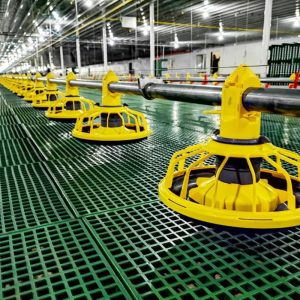
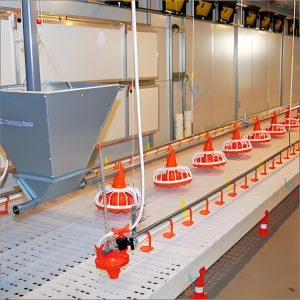
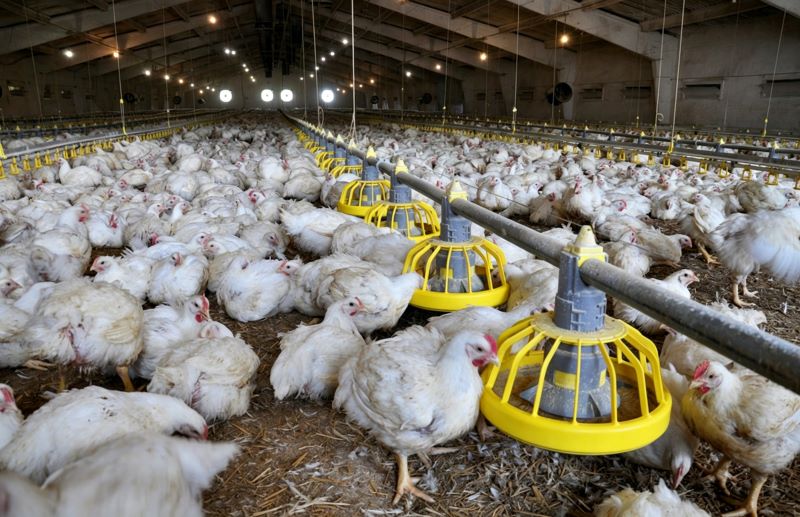
Pan feeding systems distribute feed through individual pans along the feeding line. Proper feed depth and pan adjustment can help control feed accumulation and reduce spillage caused by bird activity. Automated delivery also supports consistent feeding intervals and distribution.
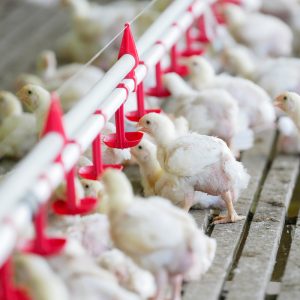
Chain feeding systems transport feed through a continuous trough. They can provide relatively uniform feed distribution along long feeding routes and are suitable for certain housing layouts. However, feed loss may increase if chain speed, feed quantity, or trough settings are not properly adjusted.
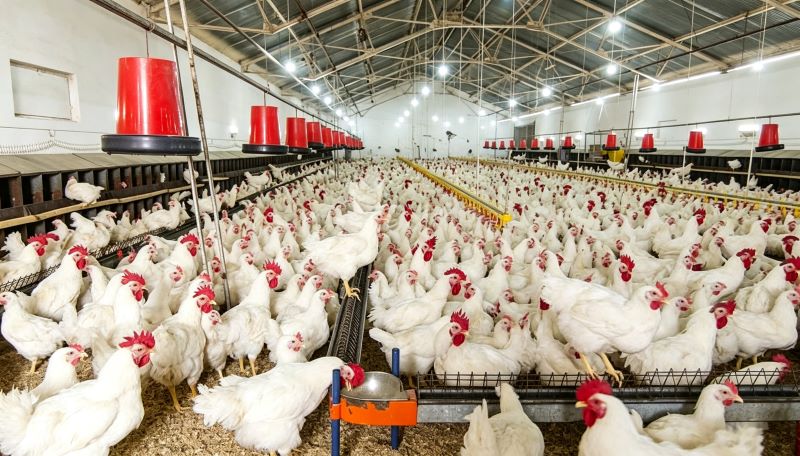
A meaningful comparison should consider more than the equipment type. Key indicators include feed spillage, residual feed, labor requirements, maintenance needs, and feed distribution consistency. Feed quality, bird age, stocking density, and house design can also influence the final results.
Therefore, neither system should be considered universally superior in feed savings. The better choice depends on farm scale, housing structure, feeding objectives, and management practices. Proper equipment selection and regular adjustment are essential for improving feed utilization and reducing avoidable waste.
Share this:
Other Posts
-
Equipment Challenges in Hot and Humid Conditions: Technical Adaptations for Floor Rearing Systems in the Middle East
The Middle East challenges poultry farming with temperatures exceeding 50°C and high humidity. Standard floor rearing equipment requires significant adaptation. Ventilation demands oversized tunnel systems with high-capacity fans to maintain airspeed. Evaporative cooling pads need larger surface areas and regular maintenance to prevent mineral buildup. Drinking systems require higher-flow nipple drinkers for adequate hydration. Insulated…
-
Poultry Farming Equipment Industry Ushers in Intelligent Upgrade Wave, Market Size Expected to Exceed 20 Billion Yuan in 2025
With the deep application of technologies such as the Internet of Things and artificial intelligence, the poultry farming equipment industry is undergoing an unprecedented intelligent transformation. According to the latest market data, China’s poultry farming equipment market size is expected to exceed 20 billion yuan in 2025, with a compound annual growth rate of 12.26%.…
-
Variable-Frequency Fans and Multi-Stage Cooling Linkage Control: Response Mechanism of Smart Environmental Control Systems to Extreme Heat
Extreme heat events threaten poultry health and productivity. Smart environmental control systems employ variable-frequency fans (VFFs) and multi-stage cooling linkage to respond effectively. VFFs automatically adjust speed based on real-time temperature, providing low airflow during mild heat and maximum speed during heatwaves. This saves energy while maintaining bird comfort. Multi-stage cooling activates sequentially: first, tunnel…
-
Quantifying Feed Waste in Manual Poultry Feeding: Spillage, Mold Contamination, and Feed Refusal Analysis
Feed efficiency is a critical factor in determining the profitability of commercial poultry production. In manual feeding systems, feed waste is often underestimated, yet it can significantly impact operational costs. This article provides a quantitative breakdown of three major feed loss channels: spillage, mold contamination, and feed refusal. Spillage is one of the most visible…
Product Categories
Subscribe To Product News
Leave your email address and receive our latest product updates