Your cart is currently empty!
+86 15863276370

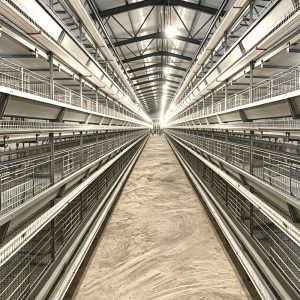
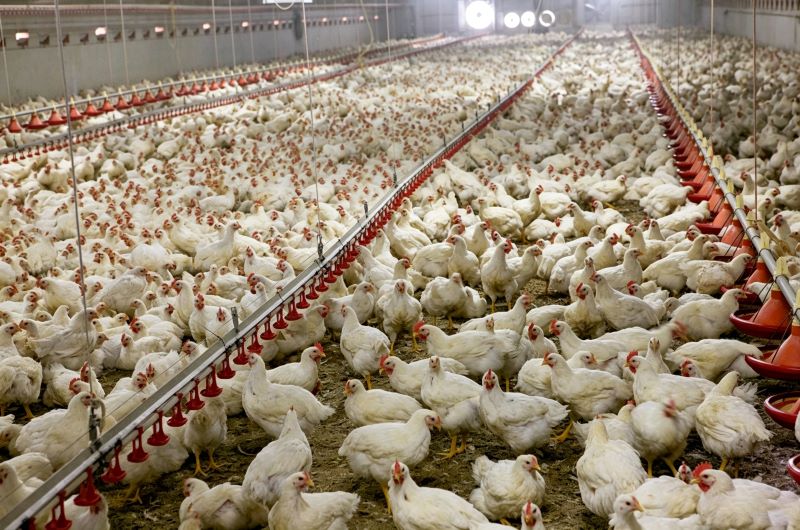
Choosing between cage and floor housing is an important decision for poultry farm planning. The most suitable system depends on farm objectives, housing design, labor availability, investment budget, and local production conditions. A practical comparison should consider multiple factors rather than focusing on a single advantage.
Key factors include:
- Stocking capacity – Cage systems can utilize vertical space more efficiently.
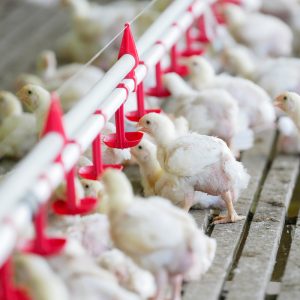
- Floor-space utilization – Floor housing requires more usable floor area.
- Initial investment – Costs vary according to equipment and house design.
- Labor requirements – Automation can reduce routine labor in both systems.
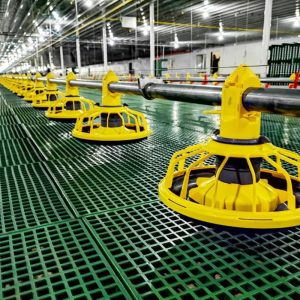
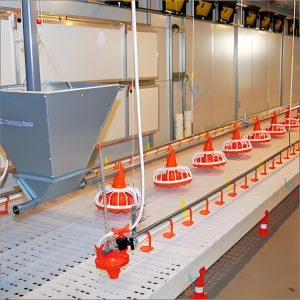
- Feeding management – Both can use automated feeding equipment.
- Drinking systems – Nipple drinking lines are widely applicable to both models.
- Egg collection – Cage systems can integrate automated egg collection more easily.
- Manure handling – Manure belts can simplify waste removal in suitable cage designs.
- Ventilation – Airflow requirements depend on house structure and stocking density.
- Cleaning – Floor systems may require more frequent litter management.
- Feed distribution – Equipment design affects feeding consistency.
- Bird monitoring – Management methods differ between housing systems.
- Equipment maintenance – Accessibility and system complexity should be evaluated.
- Farm expansion – Multi-tier systems may offer greater vertical capacity.
- Biosecurity management – Farm layout and operating procedures are important.
- Climate adaptation – Cooling and ventilation should match local conditions.
- Production goals – Layer and broiler operations may require different solutions.
- Animal management standards – Local regulations and market requirements should be considered.
- Long-term operating costs – Labor, energy, maintenance, and waste handling all matter.
- Future automation – Equipment compatibility can influence future upgrades.
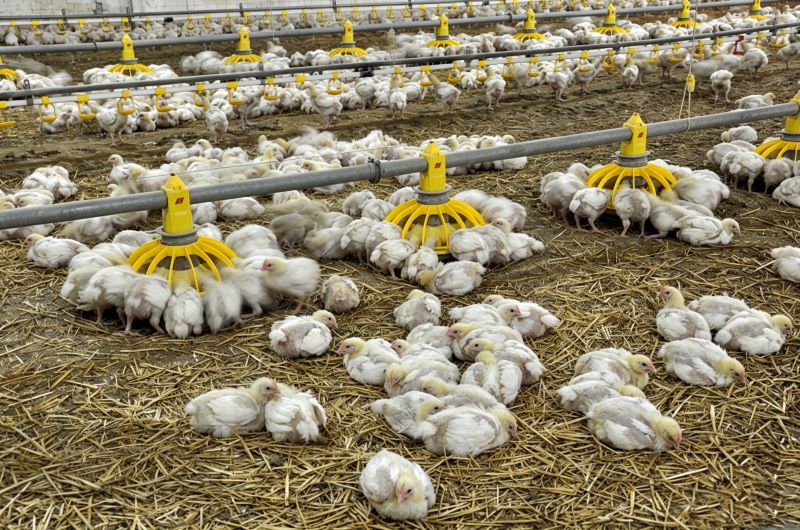
There is no universal answer for every farm. The best choice should be based on production targets, local regulations, available space, climate, budget, and the desired level of automation.
Share this:
Other Posts
-
Labor Cost Estimation in the US and EU: How Automated Feeding Replaces 2–3 Workers per 10,000-Bird Broiler Farm
In the US and EU, hourly wages for farm labor range from 15to15to20. Manual feeding of a 10,000-bird house requires two to three full‑time workers. Annual labor cost per worker (2,080 hours) is 31,200–31,200–41,600. Thus, total manual feeding labor costs 62,400–62,400–124,800 per year. Automated feeding systems (silo, auger, pan feeders) reduce this to one part‑time worker (approx. 500…
-
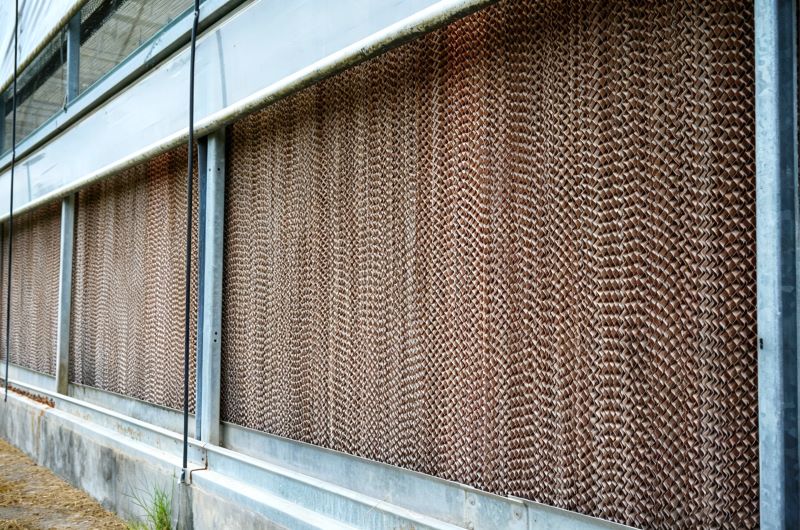
Why Poultry House Cooling Pads Underperform in Summer: Common Causes and Optimization Strategies for Better Heat Stress Control
Evaporative cooling pads are an important component of modern poultry house climate control systems, especially during high-temperature seasons. However, cooling performance may decline due to factors such as insufficient airflow, improper ventilation design, poor maintenance, water quality issues, and unsuitable house structures. This article analyzes the main causes affecting cooling pad efficiency and provides practical…
-
Cage vs. Floor Rearing for 1,000 Birds: A Side‑by‑Side Comparison
For a 1,000‑bird flock, the choice between cage and floor systems affects costs, labor, and risk. For small farms with 1,000 birds, floor rearing is often more practical due to lower entry cost and simpler biosecurity. However, if space is extremely limited and local regulations allow, cages may boost output. Choose based on your target…
-
Why Do Nipple Drinkers Leak? (With Troubleshooting Flowchart)
Leaking nipple drinkers waste water, wet litter, and increase disease risk. Understanding common failure causes helps farm managers quickly fix issues. Primary leak sources include: worn silicone seals (normal wear after 12–18 months), debris trapped in the valve (from poor water filtration), incorrect water pressure (above 0.2–0.3 bar), damaged nipple body (cracks from freezing or…
Product Categories
Subscribe To Product News
Leave your email address and receive our latest product updates