Your cart is currently empty!
+86 15863276370

Feed prices can change because of grain markets, transportation costs, exchange rates, weather conditions, and regional supply and demand. For poultry farms, these fluctuations can directly affect production costs and the value of improving feed efficiency.
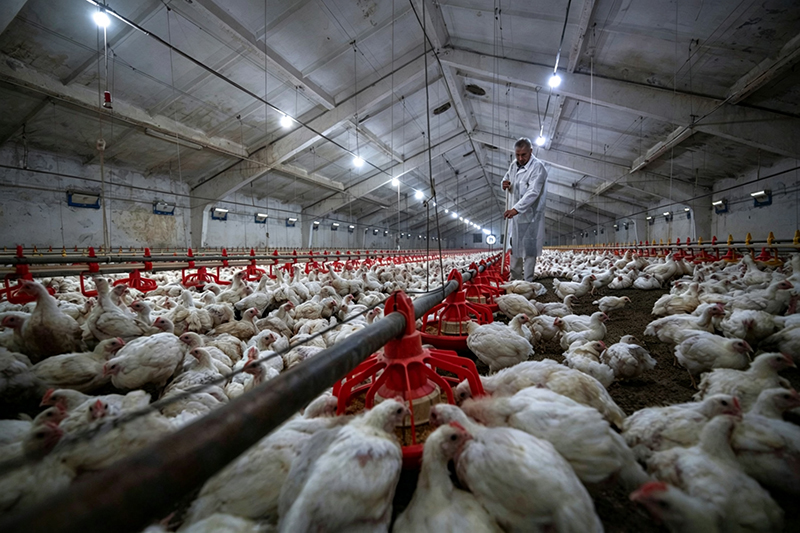
A simple sensitivity analysis can compare several feed-price scenarios, such as low, medium, and high market prices. The potential annual saving can then be estimated using:
Annual Feed Cost Saving = Reduced Feed Consumption × Feed Price
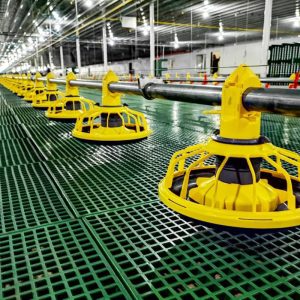
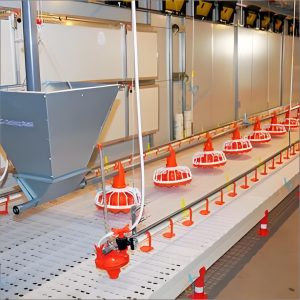
For example, if an automatic feeding system helps reduce avoidable feed waste, the economic value of that improvement will be different when feed prices are low compared with periods of higher prices. The equipment itself does not necessarily produce a larger physical saving when feed prices rise; rather, the monetary value of the same quantity of saved feed changes.
A complete investment analysis should also include equipment cost, installation, electricity consumption, maintenance, labor requirements, and expected service life. Farms can then compare the estimated annual operating benefit under different feed-price scenarios.
It is also important to use actual farm data whenever possible. Feed consumption, flock performance, waste levels, and local feed prices can provide a more realistic basis than applying a fixed savings percentage.
Sensitivity analysis therefore helps poultry producers understand the range of possible investment outcomes rather than relying on a single forecast. For commercial farms, this approach can support more informed decisions about automatic feeding systems and long-term feed cost management.
Share this:
Other Posts
-
From Design to Implementation: A Practical Guide to Biosecurity Layout for Floor Rearing Farms
Effective biosecurity starts with a clear layout. Separate clean and dirty zones clearly. The entry point should include a changing room, footbath, and hand sanitizer. Place sealed fences around the farm to prevent wild birds and rodents from entering. Design a one-way flow: workers move from office to changing room to house, never backward. Vehicles…
-
Wood, Plastic, or Metal Nest Boxes for Laying Hens? A Practical Material Comparison
Nest box material can influence cleaning, durability, hygiene management, and the daily use of a poultry house. Wood, plastic, and metal are three common options, but their practical performance depends on the housing environment, cleaning procedures, flock size, and nest box design. Understanding these differences can help layer farmers select a suitable nesting system.
-
Pan vs. Chain Feeding Systems: Feed Efficiency, Waste Control, and Farm Application
This article compares pan and chain feeding systems from the perspective of feed efficiency and waste control. Both systems can support automated feeding, but their performance depends on equipment settings, farm layout, feed characteristics, and management practices. Key evaluation factors include feed spillage, distribution consistency, labor requirements, and maintenance. Selecting the appropriate system according to…
-
Quantitative Assessment of Dynamic Feed Adjustment in Reducing Overfeeding and Underfeeding
Dynamic feed adjustment tailors daily feed amounts to match broilers’ actual growth curves and real-time intake patterns. This study quantifies its effect on reducing overfeeding and underfeeding in a 10,000‑bird flock. Overfeeding occurs when feed supply exceeds birds’ needs, increasing feed conversion ratio (FCR) and fat deposition. Underfeeding limits growth and causes flock unevenness. Using…
Product Categories
Subscribe To Product News
Leave your email address and receive our latest product updates