Your cart is currently empty!
+86 15863276370

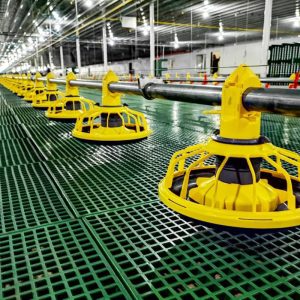
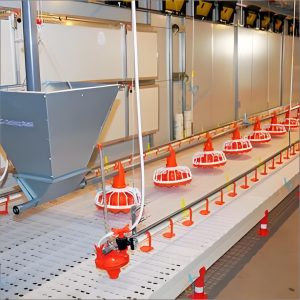
A modern automatic poultry feeding system typically combines mechanical equipment with basic control technology. The main objective is to deliver feed at appropriate times while maintaining a stable supply across the house.
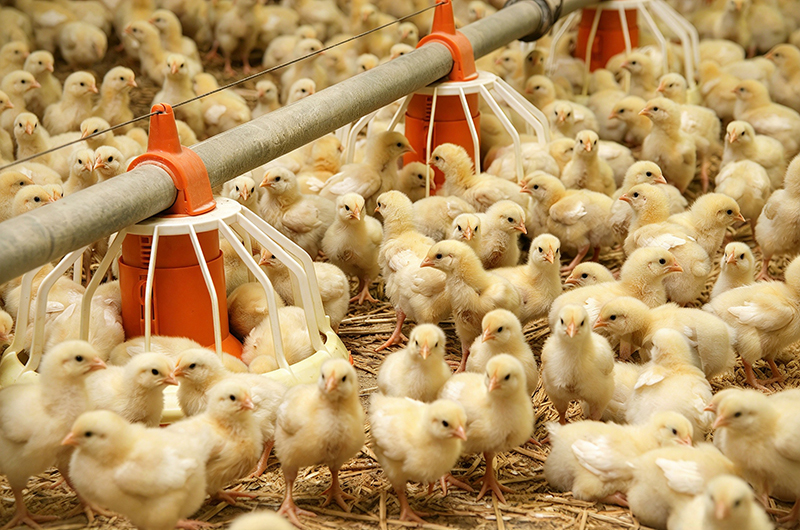
A timer provides the scheduling function. It can control when the feeding system starts and stops according to a preset program. This helps organize feeding cycles and reduces the need for workers to manually start equipment at every feeding period.
Sensors provide information about the operating condition of the system. Depending on the equipment configuration, sensors may monitor feed levels, motor operation, or other relevant parameters. When sensor signals are connected to a controller, the system can respond to changing conditions instead of relying only on a fixed schedule.
The two technologies therefore have different but complementary roles. The timer determines when feeding should occur, while sensors can help determine whether the system has the required feed supply or operating condition.
For example, a control system can start a feeding cycle at a scheduled time and use a feed-level sensor to monitor the availability of feed. If the system detects an abnormal condition, an alarm or control response can help reduce unnecessary operation or alert farm personnel.
However, precision feeding does not mean that feed is automatically adjusted to an exact amount for every bird. Actual feed requirements vary with age, breed, production stage, environmental conditions, and flock performance.
For poultry farms, combining scheduled control with real-time monitoring can make feeding operations more consistent, measurable, and easier to manage. The final performance still depends on proper equipment selection, calibration, maintenance, and flock management.
Share this:
Other Posts
-
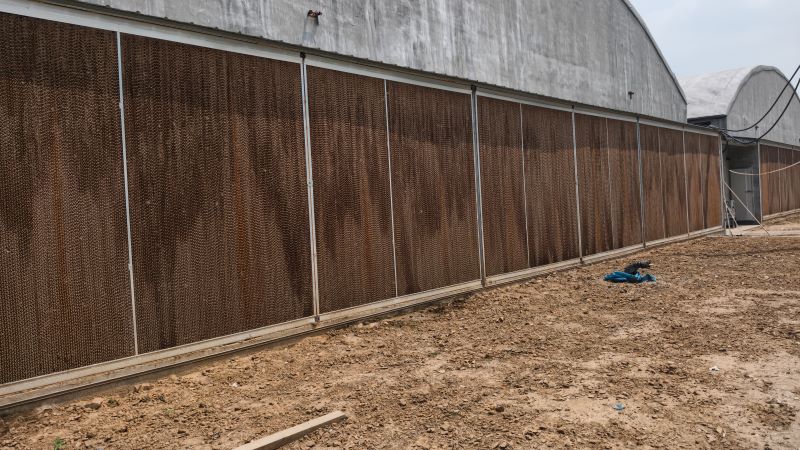
How Do Poultry House Cooling Pads and Exhaust Fans Work? Understanding Evaporative Cooling in Summer
Keeping poultry houses within a suitable temperature range during summer is an important part of environmental management. A combination of evaporative cooling pads and exhaust fans is widely used because the two systems work together to move and cool incoming air. The process begins with the exhaust fans. By removing hot air from the house,…
-
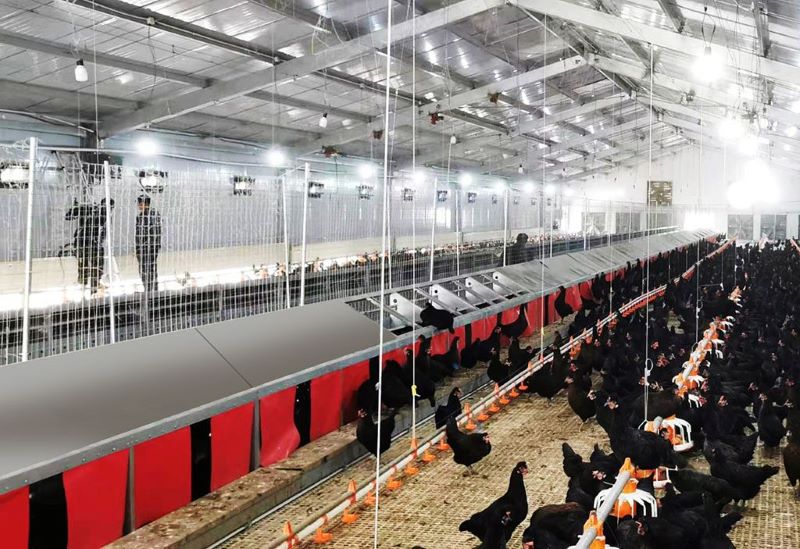
Reducing Floor Egg Rate in Poultry Farming: Nest Box Selection and Management Strategy for Performance Optimization
Floor egg rate is an important performance indicator in layer poultry production, directly affecting egg collection efficiency, hygiene control, and overall farm profitability. In commercial operations, reducing floor eggs from 8% to 2% requires both proper nest box selection and systematic management strategies. Nest box design is the first critical factor. Appropriate size, entrance height,…
-
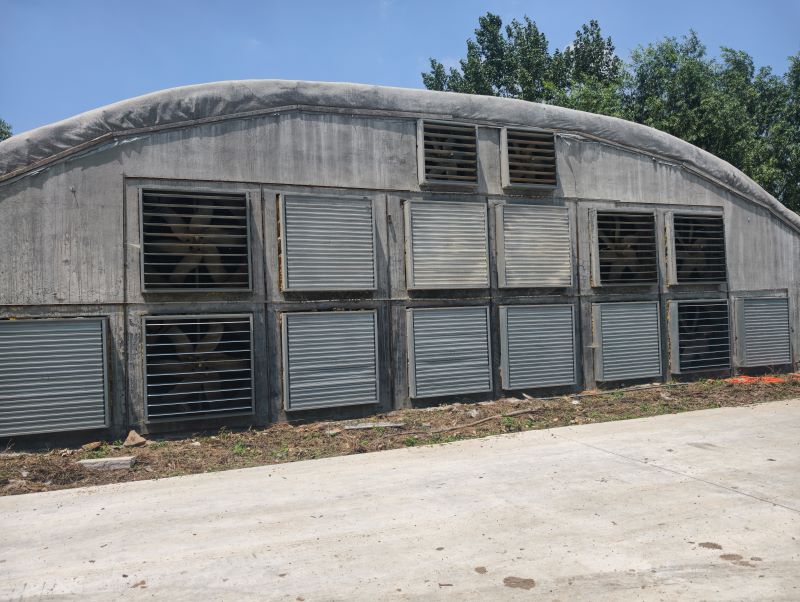
Poultry Fan Noise Suddenly Increases? 3-Step Troubleshooting Guide
A sudden increase in poultry fan noise can indicate problems with blades, bearings, motors, or mounting components. This article provides a three-step inspection method covering fan blades, moving components, and installation structures. Regular cleaning and maintenance can help identify abnormal vibration and mechanical problems early. Safe power isolation is essential before inspection, while electrical and…
-
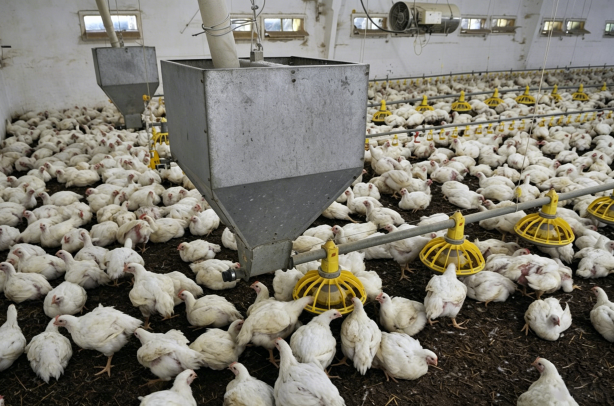
How Automatic Feeding Systems Reduce Labor Dependency in Poultry Farms: From Feed Handling to Smart Farm Management
Automatic feeding systems help poultry farms reduce labor dependency and improve feeding consistency. This article analyzes the transition from manual feeding to semi-automatic and fully automated systems, covering feed handling, transportation, distribution, and management processes. By improving operational efficiency and standardization, automation provides long-term value for modern poultry production.
Product Categories
Subscribe To Product News
Leave your email address and receive our latest product updates