Your cart is currently empty!
+86 15863276370

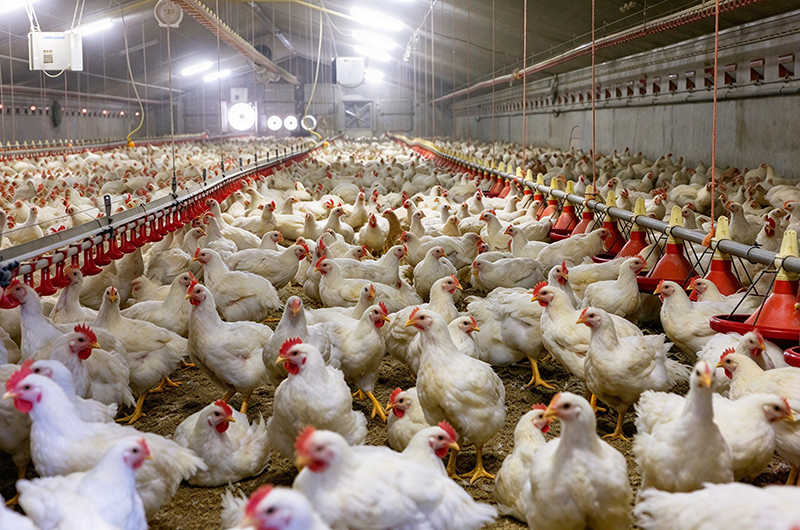
1. Food Security and Poultry Farm Development
Saudi Arabia’s poultry sector is an important part of its food supply strategy. As the industry develops, commercial projects may require reliable housing systems, efficient daily operations, and consistent environmental management. However, the needs of each project vary, and national development goals do not mean that every farm should adopt the same production model.
2. Essential Equipment for Floor-Raised Broilers
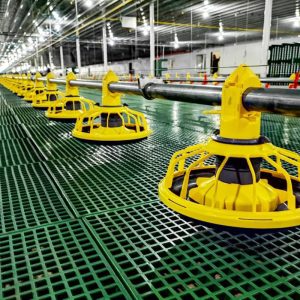
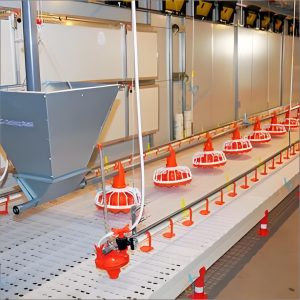
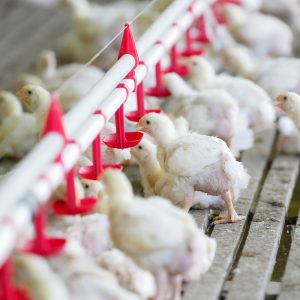
A floor farming system typically combines automatic feeding lines, nipple drinking systems, ventilation equipment, and environmental controllers. These systems help distribute feed and water, manage indoor air conditions, and support routine flock management.
Saudi Arabia’s hot climate makes heat management a key design consideration. Fans, cooling pads, air inlets, and control systems should be selected according to house dimensions, bird numbers, outdoor conditions, and the required ventilation strategy. Cooling performance also depends on humidity, airflow, and system maintenance.
Litter management is equally important. Appropriate floor preparation, drinker adjustment, and ventilation can help control moisture and maintain suitable litter conditions. Equipment selection should therefore be coordinated rather than treated as a series of independent purchases.
3. Planning for Long-Term Operations
Before investing, farm owners should assess building dimensions, target flock capacity, local regulations, water and electricity availability, maintenance requirements, and technical support. Comparing initial equipment costs with expected operating and maintenance expenses can provide a more complete basis for decision-making.
Share this:
Other Posts
-
Input-Output Model of Automated Feeding Systems for Reducing Feed Cost
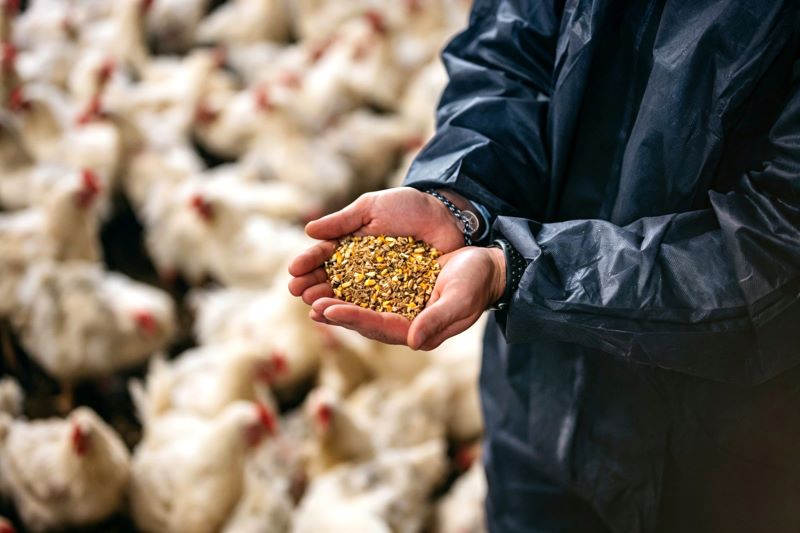
Feed constitutes 60–70% of total broiler production costs. Automated feeding systems reduce feed waste through precise portion control, creating a measurable input‑output economic model. Input (Investment) Output (Annual Savings from Feed Alone) Extended Output (Additional Savings) ROI CalculationPayback period (feed savings only) = $13,500 ÷ $2,600 = 5.2 yearsPayback (total savings) = $13,500 ÷ $14,000…
-
What Scale Makes Automation Most Cost-Effective? A Study on the Size Threshold for Floor Rearing Equipment Payback
For floor rearing farms, automation becomes cost-effective when scale passes a certain threshold. Using a 12–24 month payback benchmark, analysis shows that 10,000 birds per house is the minimum viable scale for automated feeding systems. Below 8,000 birds, labor savings do not offset equipment costs. At 15,000–20,000 birds, payback drops to 12–18 months, and automated ventilation becomes…
-
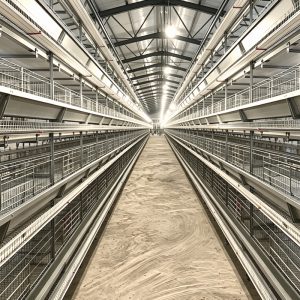
Cage vs. Floor Housing for Poultry Farms: 20 Key Factors to Consider Before Choosing a System
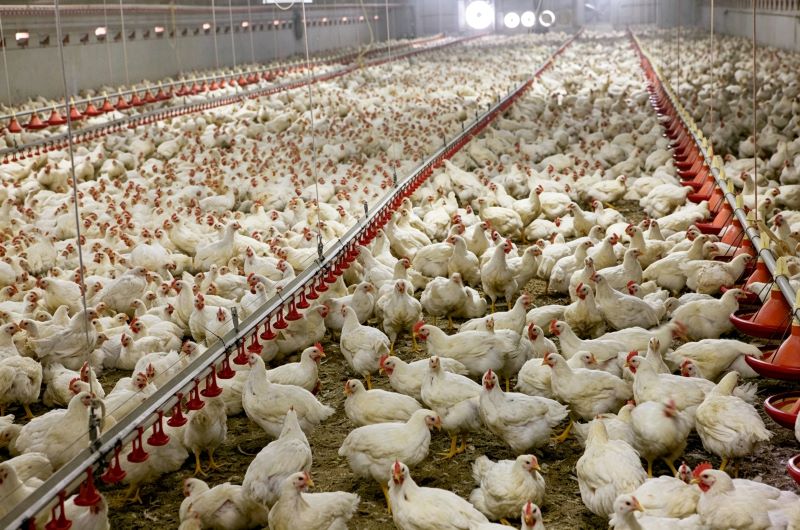
Choosing between cage and floor housing requires a comprehensive evaluation of farm conditions rather than relying on a single factor. This article compares 20 practical dimensions, including space utilization, investment, labor, feeding, manure management, ventilation, automation, and long-term operating costs. Cage systems may provide higher vertical space utilization, while floor housing can suit different production…
-
High-Pressure Fogging vs. Evaporative Cooling Pads: Which Is Better for Poultry Houses?
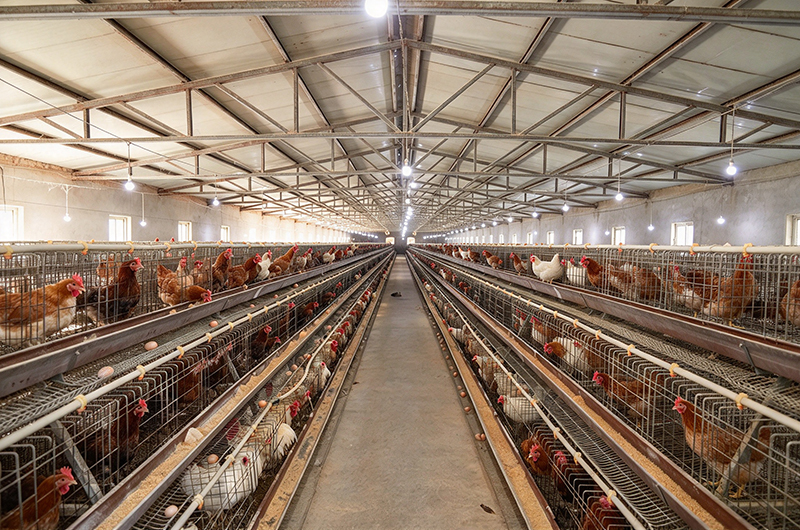
High-pressure fogging and evaporative cooling pads both use water evaporation to reduce heat, but they operate differently. Choosing the right system depends on outdoor humidity, ventilation capacity, water management, and flock conditions. In some hot, dry climates, fogging can complement pad cooling when carefully controlled.
Product Categories
Subscribe To Product News
Leave your email address and receive our latest product updates