Your cart is currently empty!
+86 15863276370

How Nutritional Requirements Change as Broilers Grow
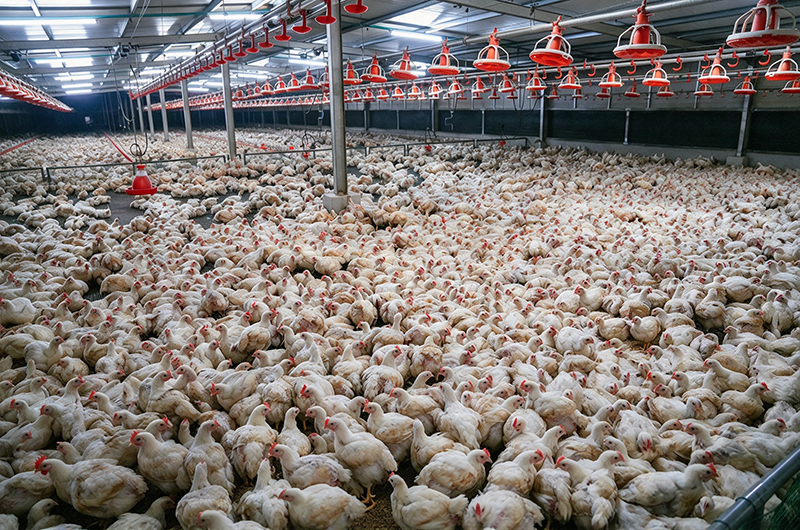
Broiler chickens require different nutrient balances at different growth stages. Starter diets support early development, while grower and finisher diets are designed to meet the needs of continued growth and body-weight gain. Energy, protein, amino acids, and other nutrients should be balanced according to bird age, genetics, and production objectives.
Using the same diet throughout the entire production cycle may not match the changing requirements of the flock. A well-planned phase-feeding program helps align nutrient supply with these changes.
Understanding the Link Between Phase Feeding and FCR
FCR is calculated by dividing the total feed consumed by the total live-weight gain during a defined period. A lower FCR generally indicates more efficient feed conversion when measurement methods are consistent.
Phase feeding may improve feed utilization by reducing the gap between nutrient supply and the birds’ requirements. Nevertheless, introducing more feeding phases does not automatically produce a better FCR. Results depend on diet quality, the timing of feed changes, environmental conditions, and flock health. The additional cost and complexity of changing diets should also be considered.
How Automatic Feeding Systems Support Feed Management
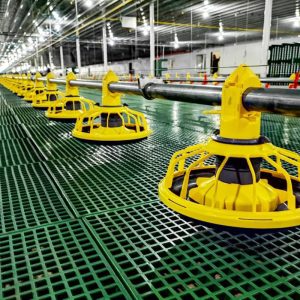
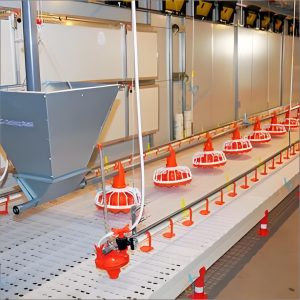
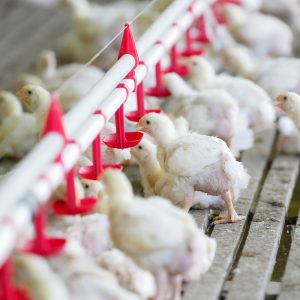
Automatic feeding systems help deliver feed consistently throughout the poultry house and reduce the need for repeated manual distribution. Proper feeder adjustment, sufficient feeding space, and routine equipment inspections help maintain access to feed.
Automation supports the implementation of a feeding program, but it cannot replace appropriate nutritional formulation or flock monitoring. Feed intake and body-weight data remain essential for evaluating performance.
Practical Considerations for Broiler Farms
To assess whether a feeding strategy is effective, farm operators should record feed consumption and weight gain for each flock and production cycle. Comparisons are most useful when bird genetics, housing conditions, and measurement methods are similar.
Share this:
Other Posts
-
How Much Can Automatic Feeding Save on Labor Costs? A Practical Guide for Poultry Farms
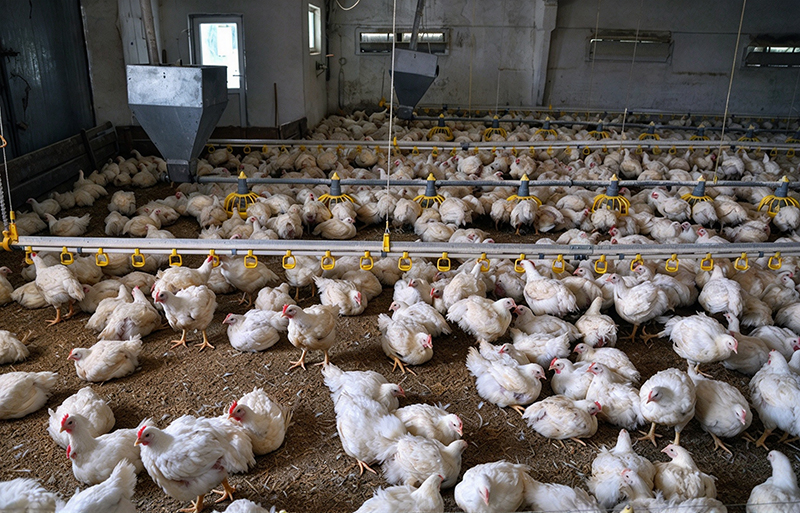
Automatic feeding systems can reduce the time workers spend on repetitive feed handling and distribution. However, annual labor cost savings vary with farm size, feeding methods, local wages, and equipment requirements. A simple calculation based on actual working hours can help poultry producers assess the potential value of automation.
-
Professional Broiler Breeding Equipment, Boosting Efficient Farming
As a professional manufacturer of broiler breeding equipment, we are committed to providing advanced layer-stacked broiler cage systems for farmers. Our products are made of high-quality hot-dip galvanized steel with a service life of over 15 years, featuring corrosion resistance and anti-aging properties to ensure long-term stable operation. Core Advantages: Our equipment adopts a frame…
-
Quantitative Assessment of Dynamic Feed Adjustment in Reducing Overfeeding and Underfeeding
Dynamic feed adjustment tailors daily feed amounts to match broilers’ actual growth curves and real-time intake patterns. This study quantifies its effect on reducing overfeeding and underfeeding in a 10,000‑bird flock. Overfeeding occurs when feed supply exceeds birds’ needs, increasing feed conversion ratio (FCR) and fat deposition. Underfeeding limits growth and causes flock unevenness. Using…
-
How Sensors and Timers Enable Precision Feeding in Poultry Farms: Understanding Automatic Feed Distribution
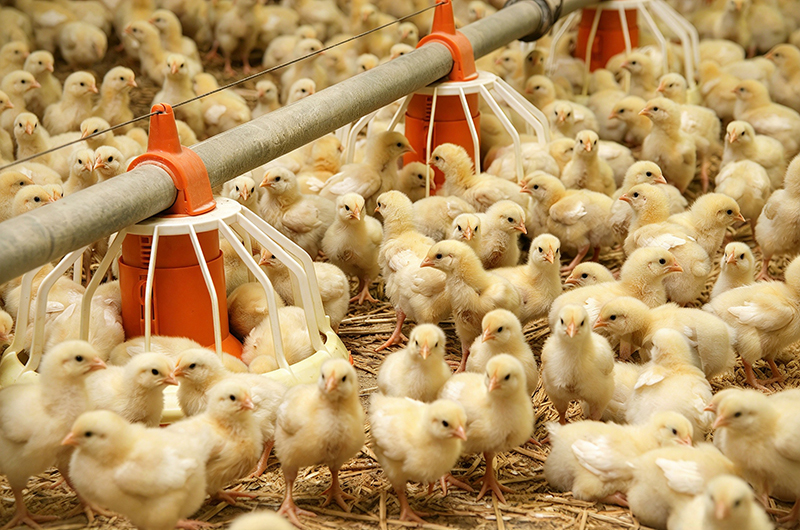
Precision feeding in poultry farming is not simply about delivering feed automatically. It involves controlling when feed is supplied and monitoring whether the feeding system meets the flock’s requirements. By combining sensors, timers, controllers, and mechanical feeding equipment, farms can create a more consistent and manageable feed distribution process.
Product Categories
Subscribe To Product News
Leave your email address and receive our latest product updates