Your cart is currently empty!
+86 15863276370

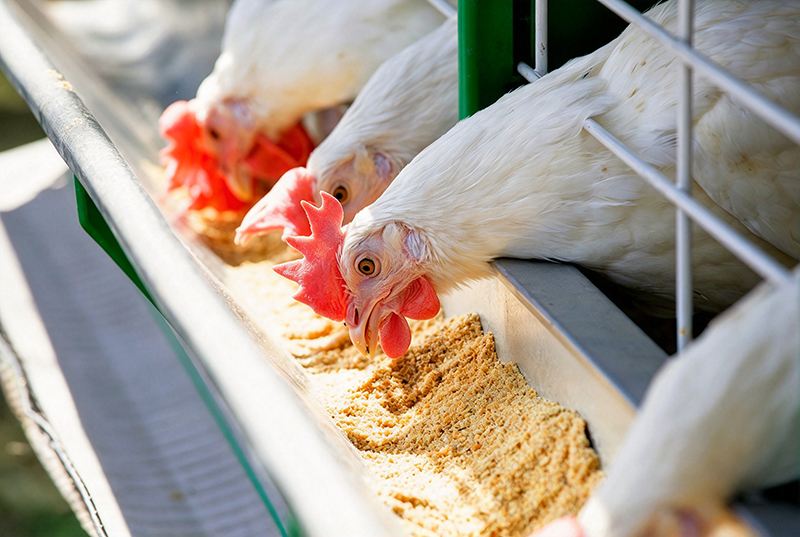
Feed quality is an important factor in broiler health and production performance. When feed is exposed to excessive moisture, high temperatures, or unsuitable storage conditions, its nutritional quality may deteriorate. Mold growth and mycotoxin contamination can also become concerns, potentially affecting intestinal function and nutrient absorption.
Maintaining feed freshness starts with proper storage and handling. Feed should be kept in a clean, dry environment, protected from pests and moisture. Regular inventory rotation helps prevent prolonged storage, while routine inspections of silos, conveying pipes, and feeders can identify residual feed, blockages, or moisture accumulation.
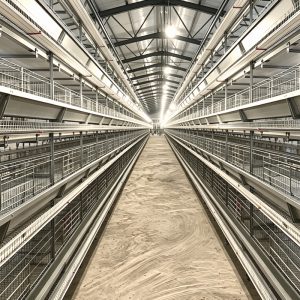
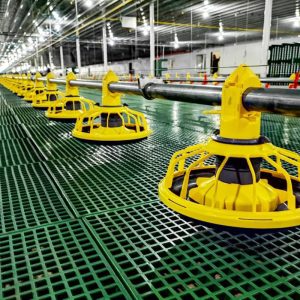
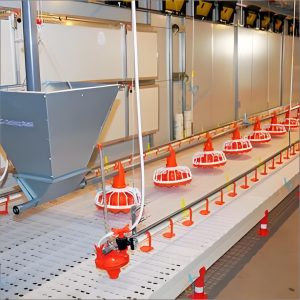
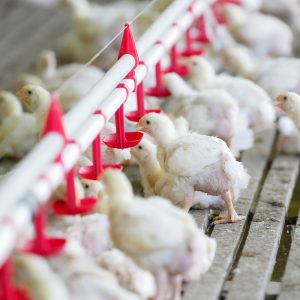
Automatic feeding systems help deliver feed throughout the poultry house, but equipment alone cannot guarantee feed quality. Proper storage, regular cleaning, and timely maintenance remain essential. Intestinal problems can also be associated with pathogens, water quality, nutrition, and environmental stress, so abnormal signs should be assessed comprehensively.
Good feed management is therefore not simply about keeping feed fresh. It involves protecting feed quality from storage to delivery and monitoring flock performance throughout the production cycle.
Share this:
Other Posts
-
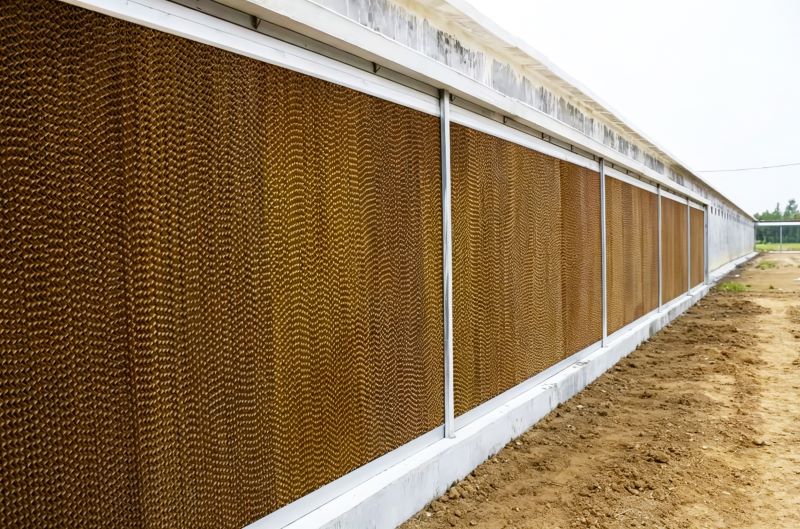
How to Calculate Cooling Pad Area Based on Fan Airflow in Poultry Houses
This article explains how to properly size evaporative cooling pad area based on tunnel ventilation fan airflow instead of house area, ensuring stable airflow and better cooling efficiency in poultry houses.
-
Equipment Depreciation and Technology Iteration: A Lifecycle Cost Analysis Model for Automated Floor Rearing Systems
Automated floor rearing systems require a lifecycle cost perspective beyond initial purchase price. Depreciation—spreading equipment cost over its usable life—and technology iteration—rapid upgrades in sensors, controls, and software—shape total ownership expense. A robust analysis model includes five phases: acquisition, installation, operation, maintenance, and residual value. Shorter technology cycles (e.g., every 3–5 years) accelerate depreciation but…
-
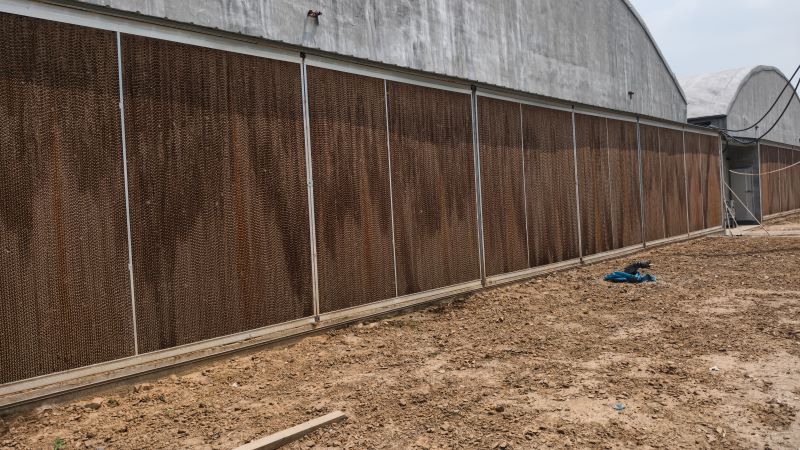
Evaporative Cooling Pad Water Quality and Maintenance: How Hardness, pH, and Mineral Scale Affect Cooling Performance
Water quality is an important factor affecting the performance and maintenance of evaporative cooling pads in poultry houses. High mineral content, unsuitable pH conditions, and accumulated scale can interfere with water distribution and evaporation efficiency. This article examines practical maintenance strategies, including water testing, controlled bleed-off, periodic flushing, and routine inspection. Effective water management can…
-
Synergistic Design of Floor-Level Inlets and Ridge Outlets: An Airflow Optimization Scheme Combining Natural and Mechanical Ventilation
Effective ventilation is critical for poultry house air quality. This scheme integrates floor-level inlets with ridge outlets, blending natural and mechanical forces. Floor-level inlets, placed along side walls near the litter, allow fresh air to enter at bird level. Ridge outlets, installed at the roof peak, enable warm, stale air to rise naturally. During mild…
Product Categories
Subscribe To Product News
Leave your email address and receive our latest product updates