Your cart is currently empty!
+86 15863276370

Traditional poultry farming relied heavily on grower experience and manual judgment. Today, AI-driven environmental control systems are transforming this approach .
Recent research demonstrates significant breakthroughs. Scientists have developed predictive models like EMD-LSTM-Attention that forecast house temperature with a mean absolute percentage error as low as 0.76%, enabling proactive rather than reactive climate management .
Advanced ventilation algorithms now optimize microclimate conditions. In commercial trials, AI-controlled systems maintained optimal temperatures 92% of the time, compared to 74% under conventional control, while reducing mortality by 16.5% .
Modern systems integrate IoT sensors with intelligent platforms that monitor temperature, humidity, ammonia, and bird behavior in real time . When anomalies are detected, automated adjustments occur without human intervention . This shift from reactive to predictive management represents a fundamental breakthrough in poultry production efficiency.
Share this:
Other Posts
-
Indonesia, Vietnam, the Philippines: Opportunities and Entry Strategies for Floor Rearing Equipment in Southeast Asia’s Three Key Markets
Southeast Asia’s poultry sector is shifting from backyard farming to commercial production, creating strong demand for floor rearing equipment. Indonesia, Vietnam, and the Philippines represent the region’s most promising markets. Indonesia has the largest broiler population but faces fragmentation. Success requires affordable semi‑automated systems and local after‑sales support. Vietnam’s market is more structured, with growing…
-
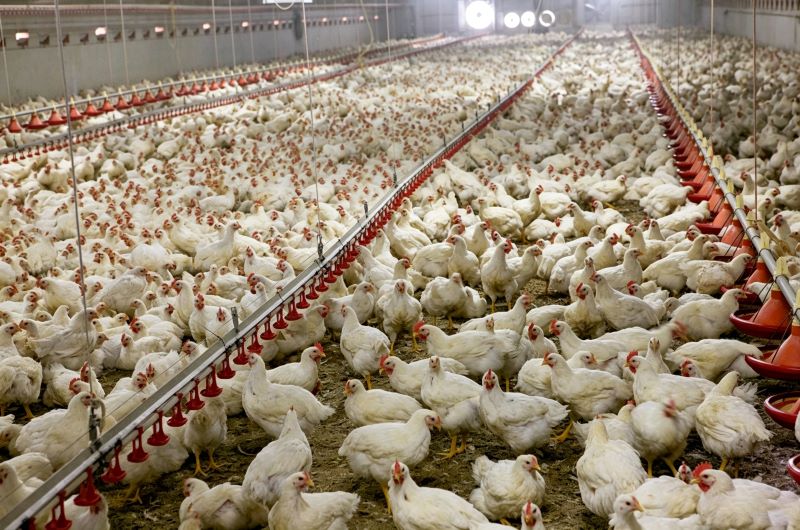
Cage vs. Floor Housing for Poultry Farms: 20 Key Factors to Consider Before Choosing a System
Choosing between cage and floor housing requires a comprehensive evaluation of farm conditions rather than relying on a single factor. This article compares 20 practical dimensions, including space utilization, investment, labor, feeding, manure management, ventilation, automation, and long-term operating costs. Cage systems may provide higher vertical space utilization, while floor housing can suit different production…
-
Hello world!
Welcome to WordPress. This is your first post. Edit or delete it, then start writing!
-
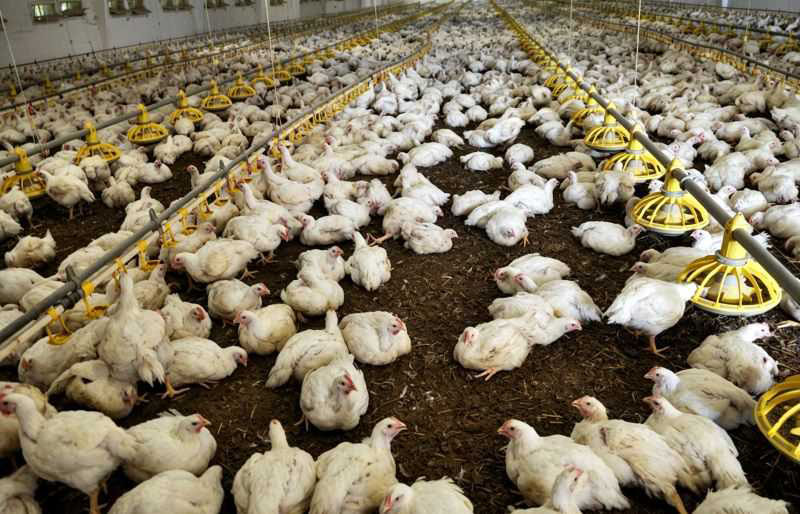
Poultry Farm Automation Trends: Why More Commercial Farms Are Adopting Automated Farming Systems
Poultry farm automation is becoming increasingly relevant as commercial farms seek greater efficiency, consistency, and better resource management. Automated feeding, drinking, ventilation, manure removal, and climate-control systems can reduce repetitive manual work and support more standardized daily operations. However, automation decisions should be based on farm scale, housing design, climate, production objectives, energy use, and…
Product Categories
Subscribe To Product News
Leave your email address and receive our latest product updates