Your cart is currently empty!
+86 15863276370

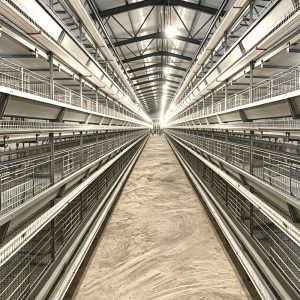
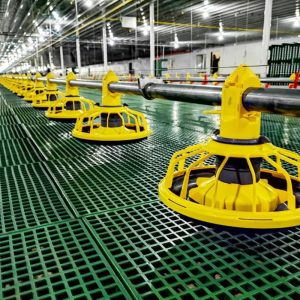
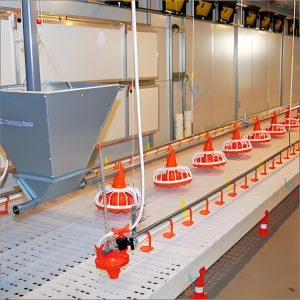
Automated floor rearing systems require a lifecycle cost perspective beyond initial purchase price. Depreciation—spreading equipment cost over its usable life—and technology iteration—rapid upgrades in sensors, controls, and software—shape total ownership expense.
A robust analysis model includes five phases: acquisition, installation, operation, maintenance, and residual value. Shorter technology cycles (e.g., every 3–5 years) accelerate depreciation but may improve efficiency. Farmers should compare the cost of keeping older equipment against upgrading to newer, more efficient versions.
Using discounted cash flow and sensitivity analysis, the model helps decide optimal replacement timing, balancing depreciation loss against productivity gain.
Share this:
Other Posts
-
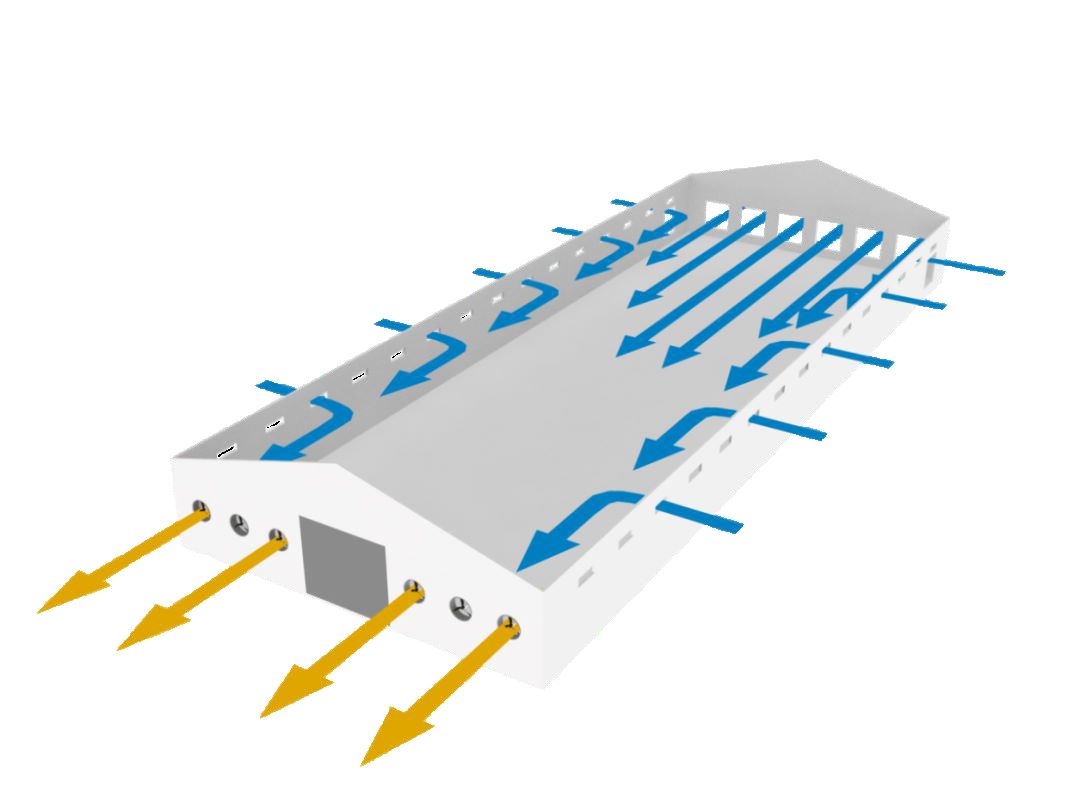
Tunnel Ventilation vs Longitudinal Ventilation in Poultry Houses: How to Select the Right Airflow System for Different Farm Designs
Ventilation system selection is one of the most important factors affecting environmental control efficiency in modern poultry houses. Different house structures, climate conditions, and production scales require different airflow strategies. Among commercial poultry ventilation solutions, tunnel ventilation and longitudinal ventilation are two widely applied systems. Tunnel ventilation works by introducing fresh air from one end…
-
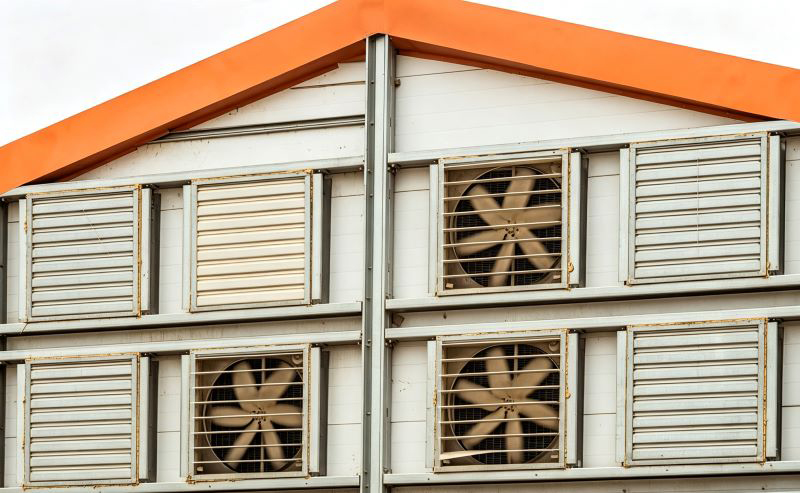
Integrated Poultry Cooling Systems: Combining Fans, Cooling Pads, Fogging and Smart Climate Control
An integrated poultry cooling system combines ventilation fans, evaporative cooling pads, fogging equipment, sensors, and climate controllers to improve environmental management. System configuration should be adapted to local climate conditions. Dry-hot regions may benefit more from evaporative cooling, while hot-humid environments require careful humidity management and sufficient ventilation. ROI evaluation should include equipment investment, energy…
-
The Future of Large-Scale Smart Poultry Farming
The outlook for large-scale smart poultry farming is exceptionally promising globally, driven by the need to feed a growing population sustainably. These technologically advanced farms represent a significant evolution from traditional methods, integrating automation, data analytics, and the Internet of Things (IoT). Key development advantages are substantial. Firstly, precision farming using sensors and AI monitors…
-
Poultry Farming Equipment Industry Ushers in Intelligent Upgrade Wave, Market Size Expected to Exceed 20 Billion Yuan in 2025
With the deep application of technologies such as the Internet of Things and artificial intelligence, the poultry farming equipment industry is undergoing an unprecedented intelligent transformation. According to the latest market data, China’s poultry farming equipment market size is expected to exceed 20 billion yuan in 2025, with a compound annual growth rate of 12.26%.…
Product Categories
Subscribe To Product News
Leave your email address and receive our latest product updates