Your cart is currently empty!
+86 15863276370

El Niño events cause abnormal temperature and humidity fluctuations, which directly affect poultry immune responses. In tropical zones, prolonged heat and humidity can suppress vaccine efficacy by increasing stress hormone levels and reducing antibody production. In temperate regions, sudden warming or unseasonable cold may disrupt the stability of vaccine storage and administration, leading to uneven immune protection.
Moreover, El Niño shifts the seasonal patterns of common poultry diseases. For example, wetter conditions may extend the prevalence of coccidiosis or respiratory infections, altering the traditional vaccination calendar.
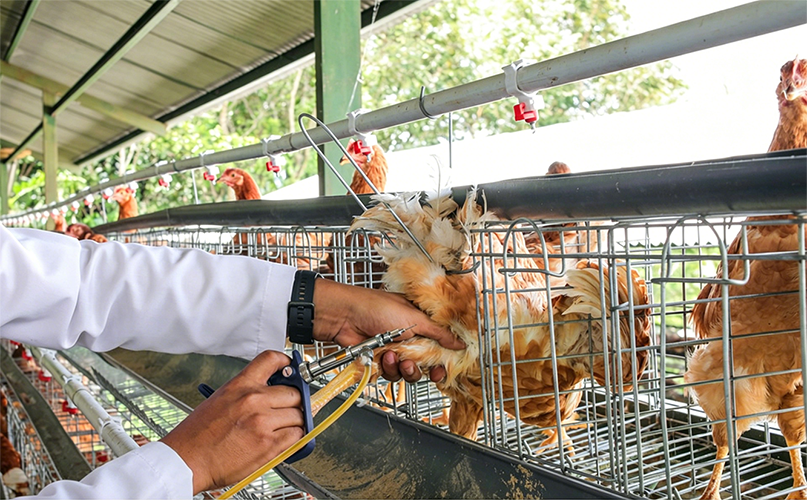
To address these challenges, region‑specific adjustments to immunization programs are necessary. In tropical areas, increasing vaccine doses or shortening intervals between vaccinations can help maintain protection. In temperate zones, flexible vaccine storage protocols and timing vaccination before predicted climate swings are recommended. Regular monitoring of environmental parameters and antibody titers should be integrated into farm management. Adaptive immunization strategies are essential to sustain flock health under El Niño‑induced climate variability.
Share this:
Other Posts
-
Why Do Nipple Drinkers Leak? (With Troubleshooting Flowchart)
Leaking nipple drinkers waste water, wet litter, and increase disease risk. Understanding common failure causes helps farm managers quickly fix issues. Primary leak sources include: worn silicone seals (normal wear after 12–18 months), debris trapped in the valve (from poor water filtration), incorrect water pressure (above 0.2–0.3 bar), damaged nipple body (cracks from freezing or…
-
Annual Feed Savings Estimation for a 10,000-Bird Broiler Farm Using Precision Feeding
Precision feeding delivers exact feed amounts based on real-time bird weight and intake patterns, minimizing waste. For a 10,000-bird flock with a 40-day cycle and average feed conversion ratio (FCR) of 1.6, total feed consumption reaches roughly 16,000 kg per cycle. Manual feeding typically wastes 5–10% of feed due to spillage, spoilage, and uneven distribution.…
-
Smart Monitoring Systems in Poultry Farming: Efficiency Improvements and Operational Mechanisms
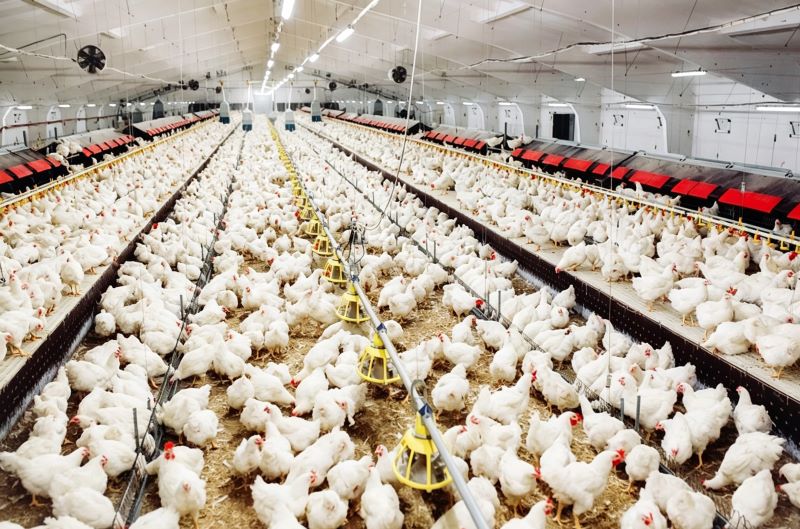
Smart monitoring systems are increasingly used in modern poultry farming to improve production efficiency, environmental stability, and overall flock performance. In commercial broiler production environments, integrated monitoring solutions have been associated with productivity improvements of approximately 20–34%, depending on farm scale, equipment configuration, and management practices. The main mechanism behind this improvement is real-time environmental…
-
El Niño-Based Feed Storage Strategies for Poultry Farms: Preventing Mold Risk Through Climate-Adaptive Management
El Niño-related climate variations may create additional challenges for poultry feed storage, especially in humid regions where mold risk can increase. This article discusses climate-adaptive strategies including sealed feed silos, moisture control methods, and phased feed purchasing plans. By combining suitable storage equipment with scientific management practices, poultry farms can improve feed quality stability and…
Product Categories
Subscribe To Product News
Leave your email address and receive our latest product updates