Your cart is currently empty!
+86 15863276370

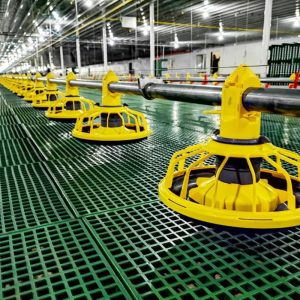
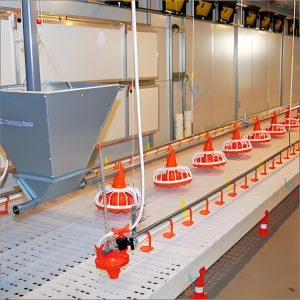
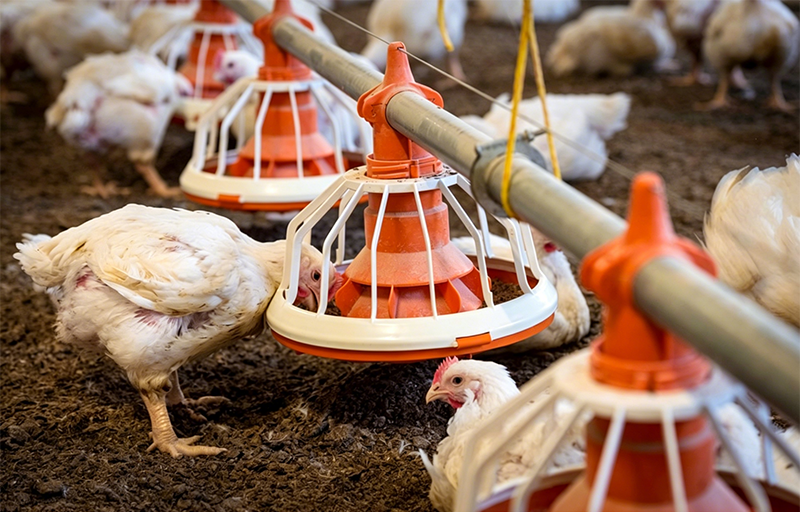
The payback period of automated feeding systems directly correlates with feed savings achieved. A simple model expresses payback (months) = equipment cost / (annual feed saving × feed price).
For a 10,000-bird house, automated feeders typically cut waste by 5–10%, saving 6–12 tons of feed yearly. At $450/ton, that equals $2,700–$5,400 annual saving. With equipment costing $8,000–$12,000, payback ranges from 18 to 32 months.
Sensitivity analysis shows: every 1% additional feed saving shortens payback by about 3–4 months. This linear relationship helps farmers decide based on their waste levels and local feed costs.
Share this:
Other Posts
-
Empirical Analysis of the Effect of Sealed Feed Bins on Feed Mold Control
Feed mold contamination is a major concern in poultry farming, leading to nutrient loss and health risks. This study evaluates the effectiveness of sealed feed bins in controlling mold development under practical farm conditions. A comparative trial was conducted over 90 days in two identical broiler houses. House A used conventional open feed storage, while…
-
How to Choose Your Poultry System
How to Choose the Right Poultry Farming System and Equipment Selecting the right farming method and equipment starts with evaluating your farm scale, climate conditions, and target market. Floor rearing is suitable for welfare-focused farms, offering lower initial investment, easier all-in/all-out sanitation management, and relatively simple litter handling. Cage systems maximize stocking density but face…
-
Precision Feeding Mechanism Using Sensors to Monitor Pan Feed Levels
Precision feeding relies on real‑time monitoring of feed remaining in pans. Load cells or infrared sensors placed under each pan continuously measure feed weight or fill height. When the measured level drops below a preset threshold, the controller activates the auger or chain feeder to deliver a small, measured amount of feed. This closed‑loop mechanism…
-
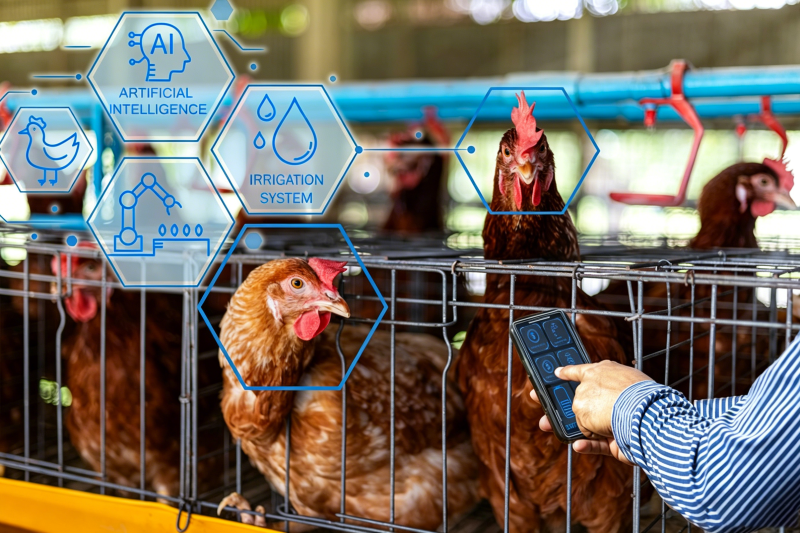
Top 10 Innovation Trends in Poultry Equipment for 2026: From Operational Tools to Strategic Assets
Poultry equipment is no longer just hardware—it is evolving into data-driven decision engines. Here are ten trends shaping the industry. 1. Digital Twins Go OperationalDigital twins move beyond pilot projects. They now simulate flock growth, test ventilation changes, and predict feed conversion before a single bird enters the house. Key shift: from visualization to actionable…
Product Categories
Subscribe To Product News
Leave your email address and receive our latest product updates