Your cart is currently empty!
+86 15863276370

For a 1,000‑bird flock, the choice between cage and floor systems affects costs, labor, and risk.
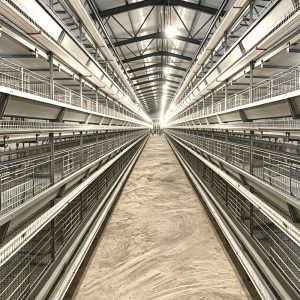
- Investment: Cages require higher upfront ($2,500–$3,500) due to multi‑tier structures. Floor rearing costs less ($1,500–$2,000) for feeders, drinkers, and litter.
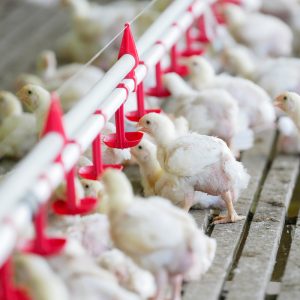
- Output: Cage systems achieve slightly better feed conversion (reduce FCR by 0.1–0.2) and higher density. Floor rearing produces birds with stronger legs and fewer breast blisters.
- Labor: Cages save daily labor (cleaning, gathering) but need more complex management. Floor rearing requires regular litter maintenance and more walking time.
- Risk: Floor rearing offers easier all‑in/all‑out disinfection, lowering disease carryover. Cages face higher respiratory illness risk and regulatory pressure in some markets.
For small farms with 1,000 birds, floor rearing is often more practical due to lower entry cost and simpler biosecurity. However, if space is extremely limited and local regulations allow, cages may boost output. Choose based on your target market and available investment.
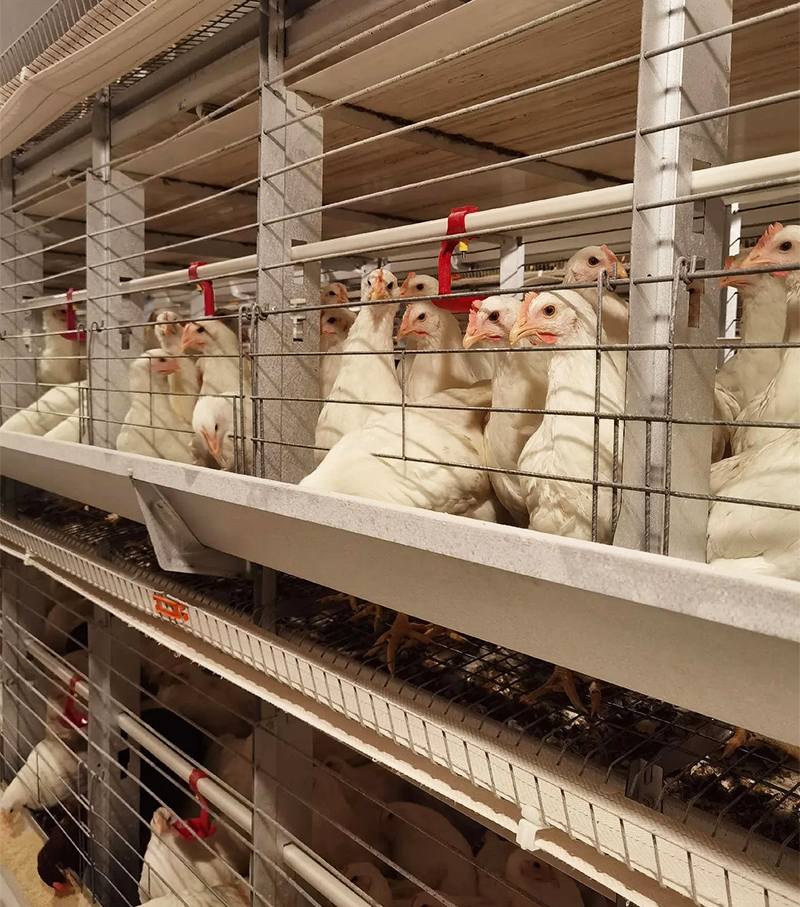
Cage rearing
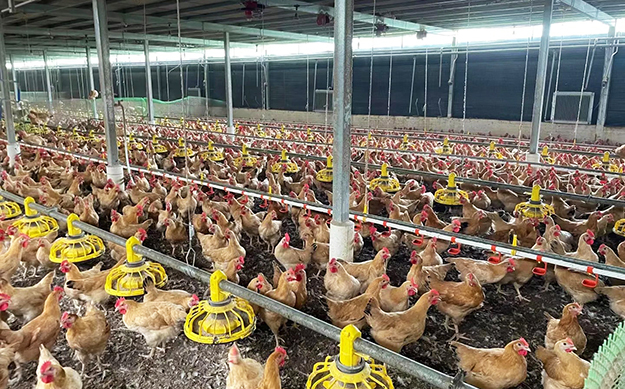
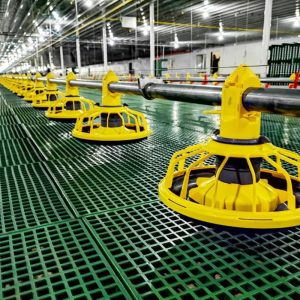
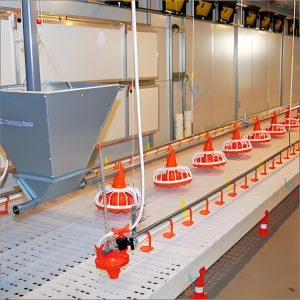
Floor rearing
Share this:
Other Posts
-
Dynamic Feed Optimization Model Cuts Waste, Boosts Broiler Performance
A new trial shows that a dynamic feed optimization model based on age‑weight curves significantly improves broiler production. In a 35‑day test with 10,000 Ross 308 broilers, the model reduced feed waste from 8.2% to 2.2% (a 6% absolute cut), lowered feed conversion ratio (FCR) by 7.9%, and increased final body weight from 1.85 kg…
-
Top 10 Innovation Trends in Poultry Equipment for 2026: From Operational Tools to Strategic Assets
Poultry equipment is no longer just hardware—it is evolving into data-driven decision engines. Here are ten trends shaping the industry. 1. Digital Twins Go OperationalDigital twins move beyond pilot projects. They now simulate flock growth, test ventilation changes, and predict feed conversion before a single bird enters the house. Key shift: from visualization to actionable…
-
Cage vs. Floor Rearing for 1,000 Birds: A Side‑by‑Side Comparison
For a 1,000‑bird flock, the choice between cage and floor systems affects costs, labor, and risk. For small farms with 1,000 birds, floor rearing is often more practical due to lower entry cost and simpler biosecurity. However, if space is extremely limited and local regulations allow, cages may boost output. Choose based on your target…
-
Labor Substitution Effect of Automated Feeding Systems: Empirical Evidence of Labor Savings from Manual Bag Handling to Pneumatic Conveying
This study quantifies labor savings when replacing manual bag feeding with automated pneumatic conveying in a 10,000-bird broiler farm. Manual feeding involves lifting, carrying, tearing, and scattering 25–40 kg bags daily. Two full‑time workers spend 6–8 hours per day on these tasks, equivalent to 2,080–2,600 working hours annually per worker. Automated feeding uses a silo,…
Product Categories
Subscribe To Product News
Leave your email address and receive our latest product updates