Your cart is currently empty!
+86 15863276370

This study quantifies labor cost savings from switching to automated feeding in a 10,000-bird broiler farm. Manual feeding requires two full-time workers for feed bag handling, transport, and daily distribution. Annual labor costs include wages (15/hour×8h/day×365days×2workers=87,600), plus benefits, recruitment, and training overhead (estimated 25% of wages, 21,900)andmanagementsupervision(5,000). Total manual feeding cost: $114,500.
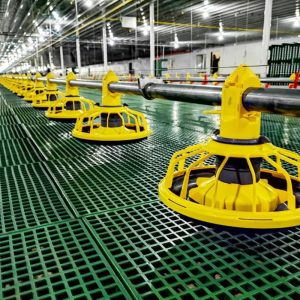
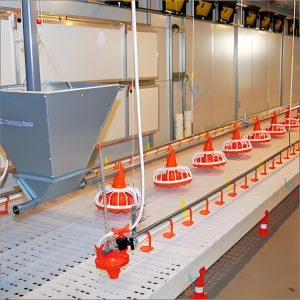
Automated feeding uses a silo, auger system, and pan feeders. One part-time worker maintains the system and monitors feed levels (500 hours/year at 15=7,500). Maintenance, electricity, and depreciation add 3,000annually.Totalautomatedcost:10,500.
Result: It saves $104,000 in labor – related costs each year, a decrease of 91%. Even with a conservative estimate, achieving a 50% saving is easy. For an automated system costing $12,000, the payback period is less than two months.
Share this:
Other Posts
-
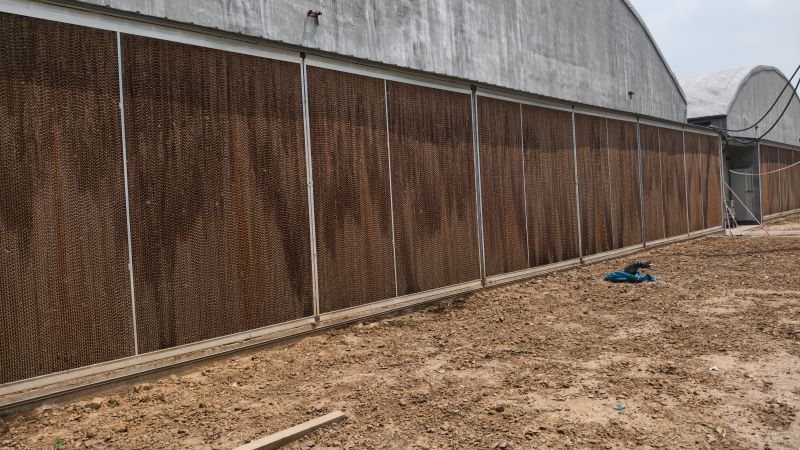
How Do Poultry House Cooling Pads and Exhaust Fans Work? Understanding Evaporative Cooling in Summer
Keeping poultry houses within a suitable temperature range during summer is an important part of environmental management. A combination of evaporative cooling pads and exhaust fans is widely used because the two systems work together to move and cool incoming air. The process begins with the exhaust fans. By removing hot air from the house,…
-
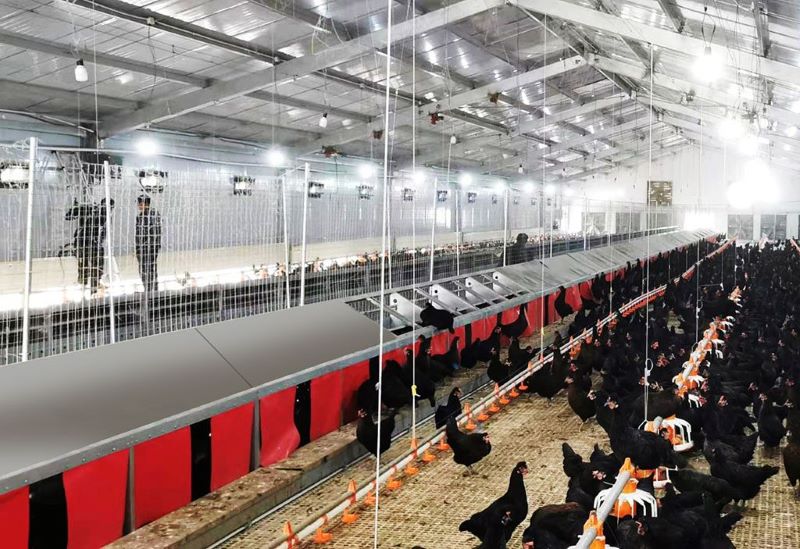
Reducing Floor Egg Rate in Poultry Farming: Nest Box Selection and Management Strategy for Performance Optimization
Floor egg rate is an important performance indicator in layer poultry production, directly affecting egg collection efficiency, hygiene control, and overall farm profitability. In commercial operations, reducing floor eggs from 8% to 2% requires both proper nest box selection and systematic management strategies. Nest box design is the first critical factor. Appropriate size, entrance height,…
-
Equipment Depreciation and Technology Iteration: A Lifecycle Cost Analysis Model for Automated Floor Rearing Systems
Automated floor rearing systems require a lifecycle cost perspective beyond initial purchase price. Depreciation—spreading equipment cost over its usable life—and technology iteration—rapid upgrades in sensors, controls, and software—shape total ownership expense. A robust analysis model includes five phases: acquisition, installation, operation, maintenance, and residual value. Shorter technology cycles (e.g., every 3–5 years) accelerate depreciation but…
-
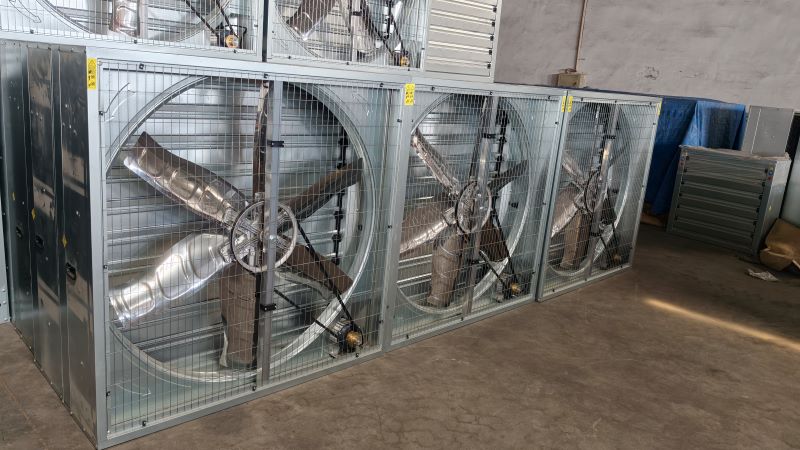
How Variable-Speed Poultry Fans Reduce Energy Use Without Compromising Cooling Performance
Variable-speed poultry fans can help farms balance cooling performance and electricity consumption by adjusting airflow according to environmental conditions. Instead of operating continuously at full speed, fans can run at lower speeds during moderate conditions and increase capacity when temperatures rise. When integrated with temperature sensors, evaporative cooling pads, and climate-control systems, variable-speed ventilation can…
Product Categories
Subscribe To Product News
Leave your email address and receive our latest product updates