Your cart is currently empty!
+86 15863276370

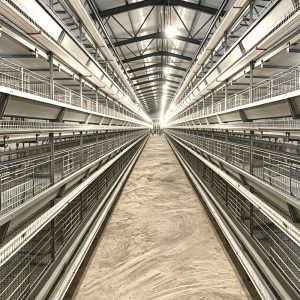
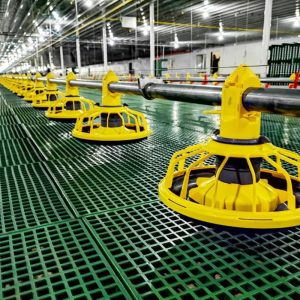
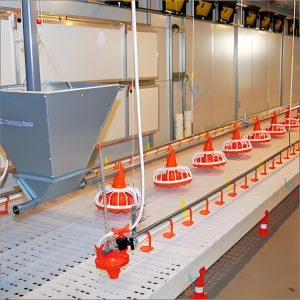
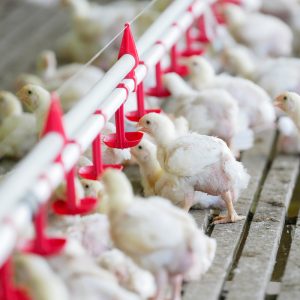
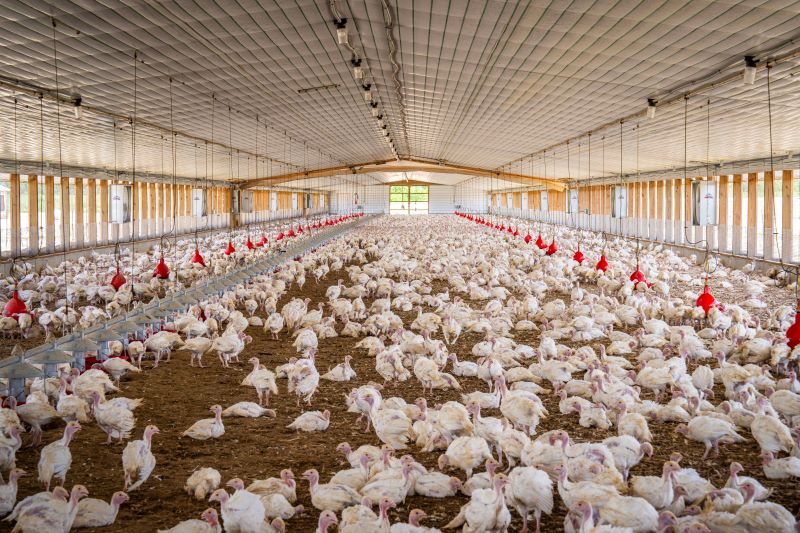
Southeast Asia’s poultry sector is shifting from backyard farming to commercial production, creating strong demand for floor rearing equipment. Indonesia, Vietnam, and the Philippines represent the region’s most promising markets.
Indonesia has the largest broiler population but faces fragmentation. Success requires affordable semi‑automated systems and local after‑sales support. Vietnam’s market is more structured, with growing interest in tunnel ventilation and cooling pads due to hot climates. Partnering with local integrators is effective. The Philippines shows rapid adoption of all‑in/all‑out systems; government loans for small farmers make entry via leasing models attractive.
Key strategies: offer tiered pricing (basic to fully automated), provide installation training, and establish quick‑response service networks. Customizing equipment for tropical conditions (corrosion‑resistant materials, higher dust tolerance) builds trust and repeat orders.
Share this:
Other Posts
-
Indonesia, Vietnam, the Philippines: Opportunities and Entry Strategies for Floor Rearing Equipment in Southeast Asia’s Three Key Markets
Southeast Asia’s poultry sector is shifting from backyard farming to commercial production, creating strong demand for floor rearing equipment. Indonesia, Vietnam, and the Philippines represent the region’s most promising markets. Indonesia has the largest broiler population but faces fragmentation. Success requires affordable semi‑automated systems and local after‑sales support. Vietnam’s market is more structured, with growing…
-
Nipple Drinker vs. Traditional Trough: Which Suits Your Poultry Farm Better?
Watering system choice impacts bird health, water consumption, and labor. Nipple drinkers provide fresh, clean water on demand, reducing spillage and litter moisture. This lowers ammonia emission and footpad dermatitis incidence. Nipples also prevent fecal contamination, improving biosecurity. However, initial cost is higher, and birds need training to use them. Traditional troughs are cheaper and…
-
Comparative Cost Efficiency Model of Poultry Farm Labor Savings: Europe vs Middle East Market Analysis
Labor cost structure is one of the most critical variables influencing investment decisions in commercial poultry production systems. This study presents a comparative cost efficiency model for a 10,000-broiler farm, focusing on labor savings potential and automation adoption differences between Europe and the Middle East. In European poultry markets, labor costs are relatively high due…
-
Nighttime Feeding and Light Regulation Strategies: Behavioral Intervention to Avoid High-Temperature Periods and Impacts on Growth Performance
High ambient temperatures suppress feed intake in broilers, reducing growth and feed efficiency. Nighttime feeding combined with adjusted light schedules offers an effective solution. By shifting feeding to cooler evening and early morning hours, birds consume more feed when heat stress is minimal. A light regimen of 4 hours light, 2 hours dark during nighttime…
Product Categories
Subscribe To Product News
Leave your email address and receive our latest product updates